A couple of years ago, my 7th and 8th grade sons had to take the standardized state tests for their grade levels. Because I home school them, I took them to the testing facility where they were grouped with other home schoolers their age.
My 7th grade son, Jacob, came home the first day and mentioned that a couple of the kids had picked on him a little, especially a girl his age who made fun of him. She also told him she was an atheist. She continued to tease him for the next two days.
In the car on the way to their last day of testing, Jacob was sitting in the back seat and saw my supply of tracts sticking out of my purse. He asked me if he could have a couple of them. I was so proud. I thought maybe he would leave one in the restroom or on a bench as he’s seen me do before. I told him he was welcome to them.
When I returned to pick them up that afternoon, Jacob told me what he had done with the tracts. He put one at the work station of the atheist girl who had been teasing him. When she found it, she tore it up in Jacob’s face. So he gave her the second one. She tore that one up too and told him that if he ever gave her anything else about Jesus she would “kill him.”
Ladies, I share this story with you, not to brag on my son, but to encourage you. If a twelve year old child can share the gospel with someone so hostile, you can do it too! Share Christ with your friends and family, your neighbors, people you run into at the store. Get yourself some tracts and hand them to cashiers, wait staff, clerks, anyone you come in contact with. Or at least leave them behind when you go somewhere- the library, restaurants, the doctor’s office, etc.
We have a commission from our King to take the gospel to a lost and dying world. Let’s get out there and do it! Here are some resources that can help:
Bezeugen Tract Club– Get a free supply of tracts every month, and follow Bezeugen’s social media pages for fun “tracting” challenges.
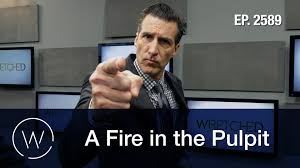
Wretched– Listen in to Witness Wednesday every week as Todd Friel goes out and about to share the gospel, and participate in evangelistic book distributions as they’re announced.
I know, I know – it’s January 4. Time to get back to real life after the holidays, right? But it’s so hard to let go and leave that festive and fun time of the year behind! So, yes, this is another New Years-y related post, but after today, I promise to mothball all the holiday stuff until next year. Scout’s honor. (In the interest of full disclosure, you should know I was never a Scout. :0)
Last week, Amy and I released the AWFS’s Evangelical Resolutions Wish List episode of A Word Fitly Spoken. Did you get a chance to listen yet? If not, I’d recommend you fire up the old podcast machine (or just click the link on the title above) and give it a listen, because a) what follows won’t make as much sense if you don’t, and b) we chose the best resolutions for the podcast episode. Trust me, you’re going to kick yourself if you don’t listen.
(And for those who are already getting a little squinchy at the idea of Christians occasionally engaging in fun and frolic, we addressed that – from Scripture – right off the bat. So no complainies on that aspect of the episode or this post, please.)
The basic idea is that we made up a list of New Year’s resolutions (some of which were more akin to “razz-olutions”) we wish various evangelical celebrities – the good, the bad, and the ugly (from our favorite doctrinally sound teachers all the way down to heretics) – would make.
Here are the leftovers that didn’t make the cut for the episode. The junk on the cutting room floor, so to speak…
We wish Steven Furtick would resolve to stop wearing tight pants. It’s cutting off the circulation to the portion of his brain that might otherwise be able to comprehend sound doctrine. Or…you know…like…any verse of Scripture at all.
We wish Bethel would resolve to stop putting gold glitter in their air ducts. That ain’t a manifestation of the Holy Spirit, y’all. It’s 25 bucks and a trip to Hobby Lobby.
We wish somebody would resolve to lock Ed Litton in a room with only a pencil, paper, and a Bible, and challenge him to write an original sermon. If we weren’t all good Baptists, we’d be taking bets as to whether or not he could. The smart money is on “not”.
We wish Beth Moore would resolve to go home. I mean, on her Instagram it seems like she enjoys cooking and gardening…that’s a good start, right?
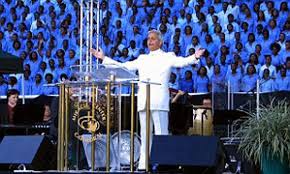
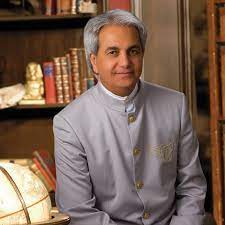
We wish Benny Hinn would resolve to get a new suit. Or maybe a sweater vest. Or even a windbreaker. Maybe Ed Young, Jr. can help him.
We wish Gloria Copeland would resolve to prevent just one devastating storm this year. You don’t see “weather controllers” preventing devastating storms for the same reason you don’t see “faith healers” emptying out hospitals. Oops, did I just double dip on some of those heretics?
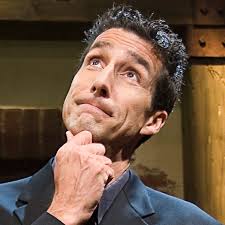
We wish Todd Friel would resolve to come out of his shell a little. He’s just so staid and passive. Get a little life in ye, me good man!
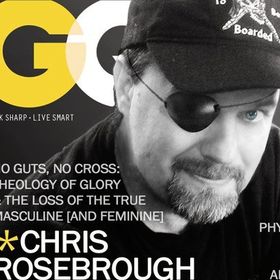
We wish Chris Rosebrough would resolve to make a heretic walk the plank. The crocs are hungry, Cap’n.
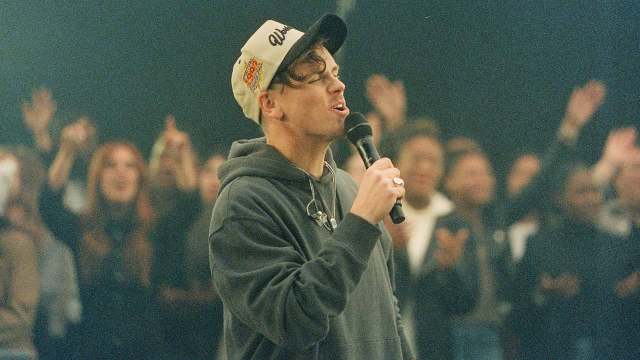
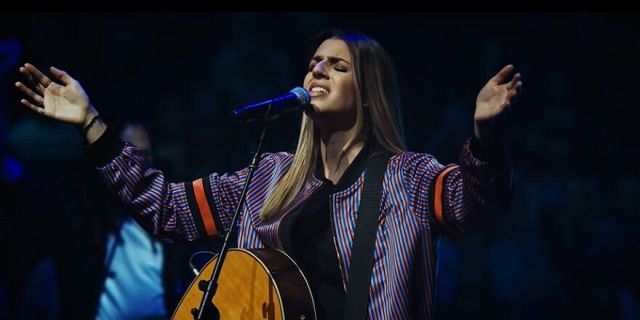
We wish contemporary “Christian” artists would resolve to stop looking like they’re passing a kidney stone when they’re singing. Is praising the Lord really this painful? Well…maybe…if you’re praising the lord of the flies.
We wish Todd White would resolve to get a haircut. My head and neck hurt just thinking how heavy that mass of hair must be. You’re not Samson, dude.
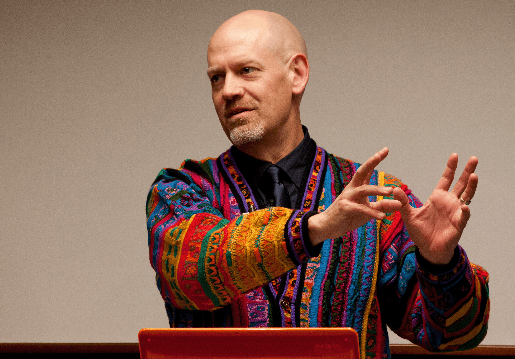
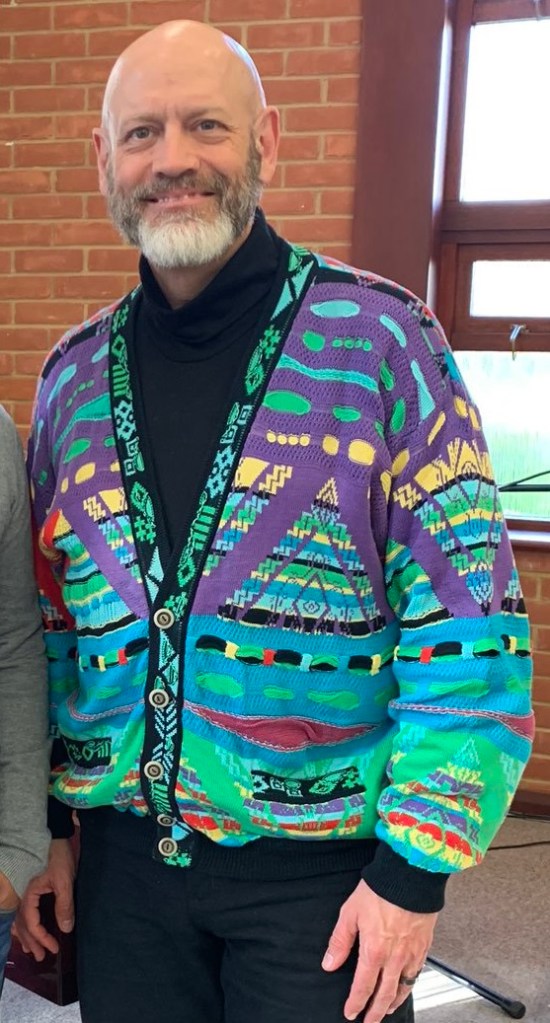
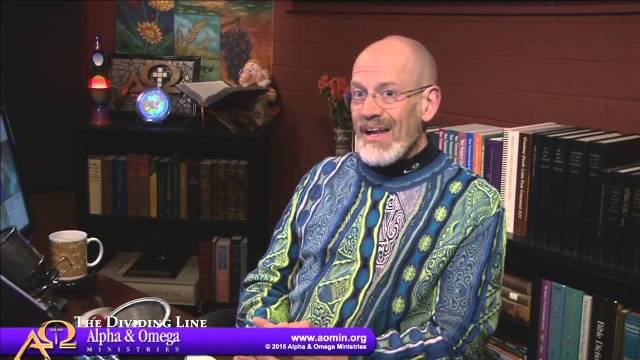
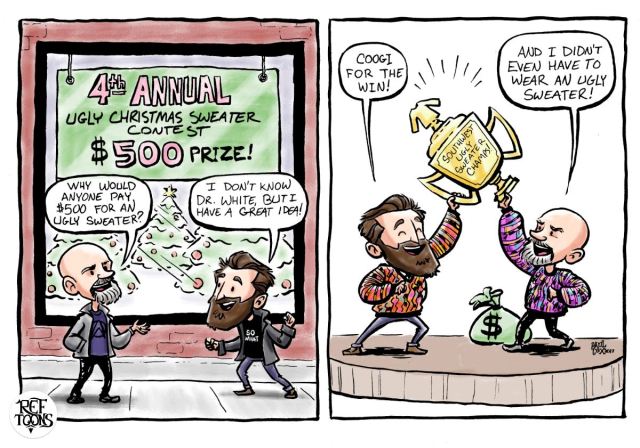
We wish James White would resolve to stop wearing seizure-inducing sweaters. And, great googly moogly, the dear brother lives in Phoenix! It’s like wearing sweaters on the surface of the sun!
Got a resolution you’d like to make for an evangelical celebrity? Make it lighthearted and pithy – not mean-spirited – and share it in the comments below. I’ll pick my favorite and add it to this article. (Bonus points if yours is funnier than mine were – and that’s a pretty low bar!)
Photo Credits: I did not take any of these photos. I am not claiming credit for any of these photos. I am not making money off any of these photos. If you are the photographer of one of these images and want credit, let me know, and I’ll credit you. If you aren’t the photographer and want to know who is, click here.
Ladies, the Christian retailing machine isn’t doing us any favors when it comes to Bible study and theology.
First, they’ve created the impression that in order to study God’s word, we have to buy a book, workbook, or DVD by a Christian author. Next, they show us the materials we have to choose from by cordoning off part of the store or web site under the heading “Women’s Bible Study.” Finally, they fill the shelves in that department with materials penned almost exclusively by women, the majority of whom (even at supposedly trustworthy Christian retailers) are false teachers.
Let’s think outside that box, shall we?
First, you do not have to use someone’s book to study the Bible. In fact, I recommend that you don’t. Just pick up your Bible and study it in a systematic way. Next, if you do decide to use a Bible study book or other resource, it does not have to be written by a woman (though there are some great female teachers at the Recommended Bible Teachers tab in the blue menu bar at the top of this page). If you limit yourself to women authors, you’re going to miss out on some wonderful teaching by the many doctrinally sound male teachers out there. Let me introduce you to a few of my favorite pastors and male authors of Bible studies and other great Christian books and resources.
IMPORTANT REMINDER: Don’t take my (or anyone else’s) word for it that any ministry, podcast, book, or blog is biblical in its doctrine. You MUST do the work of comparing with Scripture everything you read and hear. If it doesn’t match up with God’s word (in context), chuck it.
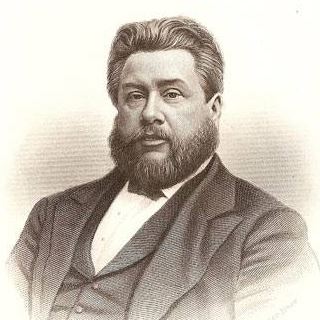
Charles Spurgeon– “The Prince of Preachers,” Spurgeon was “England’s best-known preacher for most of the second half of the nineteenth century…Spurgeon frequently preached to audiences numbering more than 10,000.” Most of his works are still in print in both hardcover and e-book format, and many are available online for free. You may wish to use his commentaries to aid in your study of the Word. The brief devotions in Spurgeons’ Morning and Evening are a favorite of many, and you’re sure to be edified by his many other books as well. FacebookXInstagram
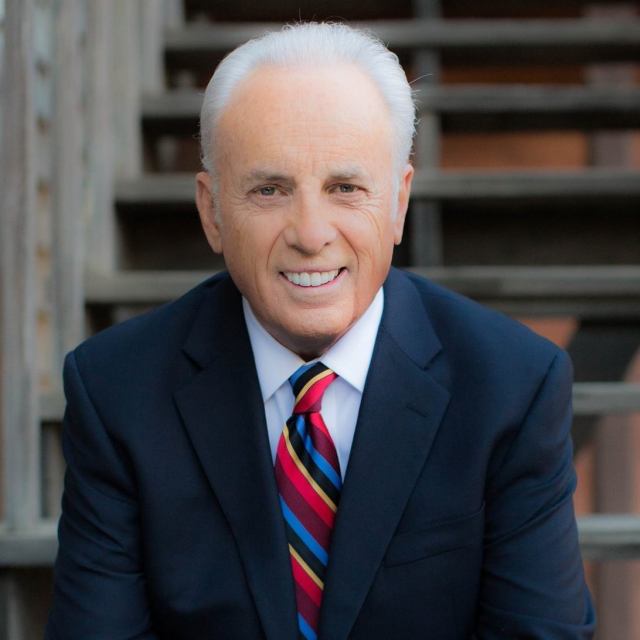
John MacArthur– “John MacArthur is the pastor-teacher of Grace Community Church in Sun Valley, California, as well as an author, conference speaker, president of The Master’s College and Seminary, and featured teacher with the Grace to You media ministry.” Dr. MacArthur has written approximately 400 books, including study guides, commenataries, Bible studies, and more. You might enjoy one of his free on line daily devotions, one of his study books, a sermon on the passage of Scripture you’re studying, or one of his books on a variety of biblical topics. FacebookXInstagram
Todd Friel– Todd is the host of the Wretched podcast and television show, an outstanding resource dealing with discernment, evangelism, the church, theological aspects of current events, and various other topics. “Witness Wednesday” (the weekly episode airing on Wednesdays) is a great way to get “boots on the ground” training in how to share the gospel. Todd has produced a myriad of materials for both churches and individuals on biblical topics such as marriage, church history, parenting, anxiety, pornography, and more. FacebookXInstagram
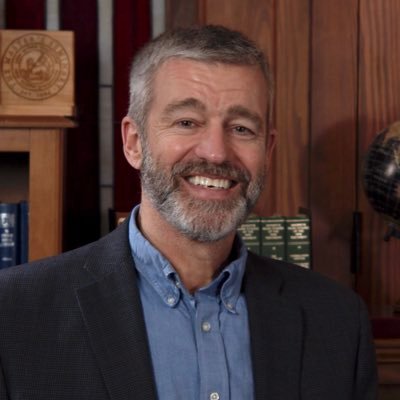
Paul Washer– An echo of Paul the Apostle, Paul Washer served as a missionary in Peru for ten years where he also founded the HeartCry Missionary Society. HeartCry now supports church planters in Peru and indigenous missionaries world wide. Paul is a challenging author and a sought after speaker who boldly exhorts the church. Be sure to explore his books, sermons, Bible study lessons, and videos. FacebookXInstagram
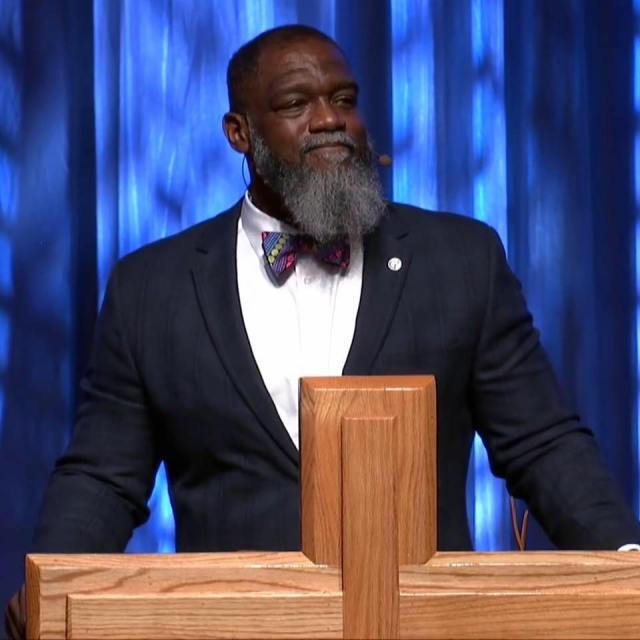
Voddie Baucham– “Voddie Baucham is a husband, father, grandfather, former pastor, church planter, best-selling author, and professor. He was the founding Dean,” and former “Senior Lecturer in the School of Divinity at the African Christian University in Lusaka, Zambia. He is also a founding faculty member of the Institute of Public Theology,” and Founders Seminary.
Voddie specializes in cultural apologetics, and has been instrumental in shedding light on and pushing back against Critical Race Theory, among other issues, when speaking at conferences and other events. Listen to one of Voddie’s many fine sermons and check out his books and other materials on a variety of biblical topics. FacebookXInstagram
Chris Rosebrough– If you’re looking for Chris’ previously daily podcast, Fighting for the Faith, that pirate ship has sailed. Chris is still the Captain of Pirate Christian Radio where you can find oodles of useful articles and audio, but the Aletheia is now docked at the Port of YouTube where Chris creates informative discernment videos on a variety of false teachers, false doctrines, and current events in evangelicalism. He is also the pastor of Kongsvinger Lutheran Church in Oslo, Minnesota, and quite an accomplished photographer. FacebookXInstagram
R. C. Sproul– “Dr. Sproul was founder of Ligonier Ministries, founding pastor of Saint Andrew’s Chapel in Sanford, Fla., first president of Reformation Bible College, and executive editor of Tabletalk magazine. His radio program, Renewing Your Mind, is still broadcast daily on hundreds of radio stations around the world and can also be heard online. He was author of more than one hundred books,” which you can find at Ligonier along with teaching materials on nearly any passage you’re studying, as well as other biblical books, music, and other resources.FacebookXInstagram
Phil Johnson– “Phil is the Executive Director of Grace to You. He has been closely associated with John MacArthur since 1981 and edits most of John’s major books…Phil was an editor at Moody Press before coming to Grace Community Church. He is an elder at Grace Community Church and pastors the GraceLife fellowship group.” Phil is an amazing lecturer and preacher with an incredible depth of knowledge of church and biblical history. You’ll enjoy the theological richness of Phil’s sermons (check out his “Bible Q & A” teachings) and be challenged by his blog articles at Pyromaniacs. FacebookXInstagram
Steve Kozar– Steve runs an amazing discernment ministry called The Messed Up Church, which has a four-fold purpose: “Confronting and exposing apostasy, explaining biblical orthodoxy, rebuilding shattered faith by the light of the gospel from God’s Word, and returning to the Reformation principle of Sola Gratia, Sola Fide, and Sola Scriptura. … The Messed Up Church is the discernment website for people who don’t like discernment websites.” Be sure to check out Steve’s blog articles (I especially appreciate his Cornucopias on false teachers and movements, and you’ll find many of them linked to my own discernment articles.) and his YouTube channel, featuring a wealth of discernment videos on who and what to mark and avoid. Steve is also an extremely talented painter, so be sure to visit his art stores here and here. Follow Steve on X and Instagram.
You can always find these – and more great Christian men and women to follow – at the Recommended Bible Teachers, Authors, etc. tab in the blue menu bar at the top of this page.
Are you looking forward to the Discerning Women Learn to Discern webinar Amy Spreeman and I are hosting on Thursday? (If you haven’t registered yet, there’s still time. Click here.) It’s being hosted by our very gracious friend, Bart McCurdy.
Recently, Bart hosted another online conference, Exposing Deception, featuring the teaching of Chris Rosebrough, Todd Friel, Phil Johnson, and Justin Peters. If you can’t wait until Thursday to start learning discernment, let these gents whet your appetite. (Don’t be alarmed- it seems as though the beginning portion of Chris’s session was cut off in the video, but there’s still plenty of great material here to learn from.)
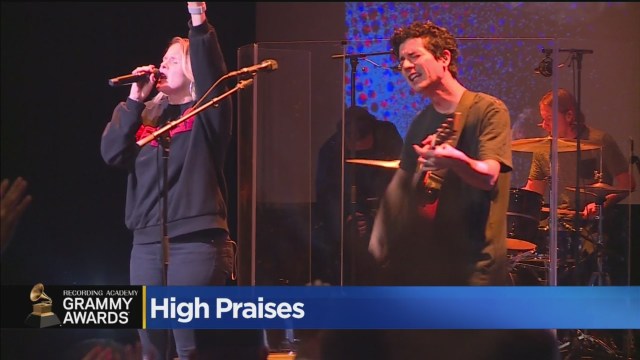
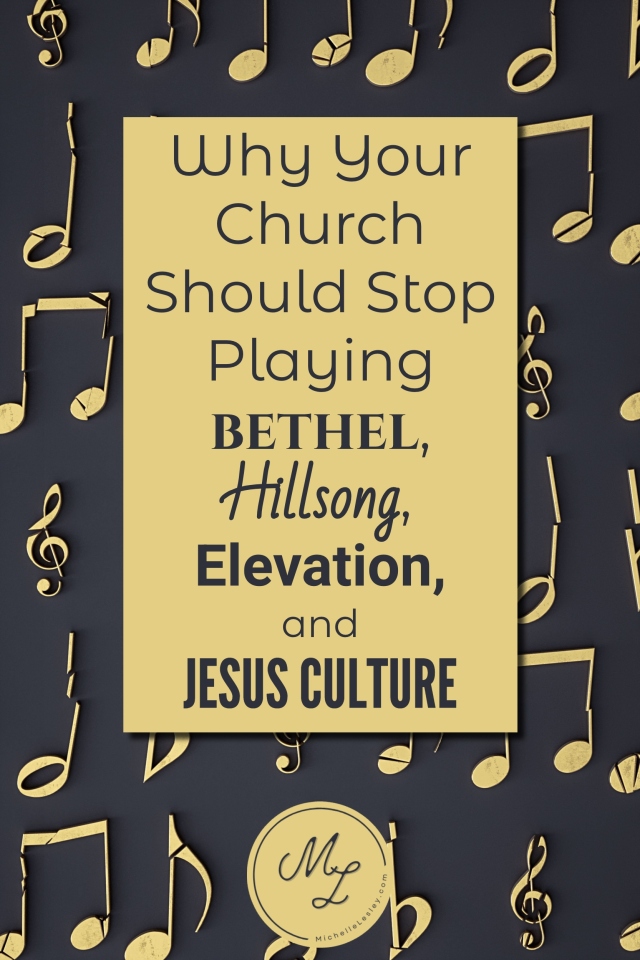
While this article deals primarily with Bethel, Hillsong, Elevation, and Jesus Culture, they are by no means the only heretical music sources to be avoided. Phil Wickham, for example, is just as prolific as these groups and his music is used by just as many churches. With his strong ties to Bethel, he should be included under the umbrella of Bethel as you consider the remainder of this article. There are numerous other unbiblical musicians who should be avoided for these same (and other) reasons. You can find a sampling of them in my article The Mailbag: False Doctrine in Contemporary Christian Music.
Is it wrong to sing songs from Bethel if they are theologically correct? In this episode of Redeeming Truth, Pastors Costi Hinn, Dale Thackrah, and Kyle Swanson provide insight into the dangers of supporting ministries like Bethel [and Hillsong, Jesus Culture and Elevation Music], that have a false understanding of who Christ is.
“It’s imperative for churches to be discerning about the CCM they use in worship. If Jane Churchmember hears a CCM song in church and likes it, she’s likely to Google the song (probably right there in church- I’ve done it!), find out who sings it, and begin following that artist. Worship pastors who use CCM have a responsibility to vet the artists who perform the songs they select for the worship service to make sure they’re not sending Jane into the arms of a heretic. Additionally, music costs money, and you don’t want your church’s offerings supporting false doctrine.
Now, every time I address the subject of being discerning about worship music and that churches should not use worship music from heretical sources (such as Bethel, Hillsong, and Elevation) someone who’s defending using music from these heretical sources [will say]:
Well, [insert name of hymn writer here] wrote lots of perfectly biblical hymns, but he had some theological problems too, and you’re not recommending we get rid of all of his hymns.
Well, first of all, maybe we should more closely examine the theology of some of our most prolific hymnists and stop using their music because of what they believed. Quick – off the top of your head, name the three we should start with…
…And that’s what separates the errant hymnist from Bethel, et al. Most Christians, even those who prefer hymns over CCM, could probably not name three people who wrote hymns, let alone tell you anything about their theology. But if you ask the average Christian to name three top Christian artists, she could rattle them off in a second.
Most hymn writers have been dead for up to hundreds of years. They don’t have Facebook pages you can follow, nobody’s playing their stuff on KLOVE, they’re not on tour to promote their latest album, they don’t have thousands of followers worldwide, and their music is in the public domain, so your church isn’t financially supporting them or their work. If you wanted to follow their errant theology, you’d have to hit the books to research and study it. Contemporary musicians’ theology is only a click away on YouTube, social media, live streamed concerts and conferences, and on their web sites. Nobody is following dead hymnists’ false doctrine, but hordes are following contemporary musicians’ heresy.”
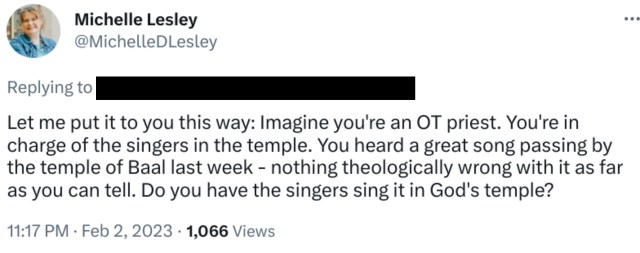
If you came here looking for a critique of individual [Bethel, Hillsong, or Elevation] songs, that’s not really what this is about. Everything connected to [these “pastors”] – [the “churches,” the music companies] (as entities and all individual songs), all [“church” and music] personnel, materials, programs, and events – are all fruit of the poisonous tree [of the false teacher who heads everything up]. No, you cannot biblically pick and choose songs from [any of these organizations] that don’t seem to overtly violate Scripture. The Bible never tells us to “chew up the meat and spit out the bones.” It says:
I appeal to you, brothers, to watch out for those who cause divisions and create obstacles contrary to the doctrine that you have been taught; avoid them. For such persons do not serve our Lord Christ, but their own appetites, and by smooth talk and flattery they deceive the hearts of the naive. Romans 16:17-18
“Watch out” for false teachers. “Avoid them.” That includes everything about them: all their materials, books, events, music, social media, etc. Would the God who breathed out these words of Scripture be pleased if we ourselves, or our churches, use materials by people who “do not serve our Lord Christ”?
“We have been searching for a doctrinally sound church in the area we moved to, and unfortunately it has not been easy! The few that we have found still use Hillsong, Bethel or Elevation music. I usually cross a church off the list quickly if they sing from those artists. But like I said, now I am finding even doctrinally sound churches are throwing some of those songs in. Do you have any insight to this dilemma?”
…for pastors and ministers of music: This is yet one more reason it is detrimental to your church to use music from Bethel, Jesus Culture, Hillsong, Elevation, any musician connected these groups (such as Phil Wickham, who’s very prolific and has strong ties to Bethel), or any other musician who isn’t doctrinally sound (after you have thoroughly vetted him/her/them.) regardless of how biblical the lyrics of any particular song of theirs that you’re using might be. You could potentially be turning away solid, mature, discerning Believers who might otherwise be interested in joining your church. The woman who sent in this question is not the first to ask me something like this – not by a long shot. This issue is increasingly of concern to Christians looking for a solid church. (For that reason, I do not list churches – even Reformed or seemingly otherwise doctrinally sound churches – on my Reader Recommended Churches list who use music from heretical sources like these.)
When a visitor walks into your sanctuary for the first time, your worship service is the “face” of your church to her. What kind of a first impression are you making? When you use music by doctrinally unsound musicians, it does not say, “We’re really a doctrinally sound church – honest! We only use songs from these groups whose lyrics are biblical.”. It says, “This church has leaders who aren’t discerning,” or “If this church uses music by these heretical groups, what other doctrinal problems does it have?”. Why put that stumbling block out there when there is plenty of music available with biblical lyrics written/performed by doctrinally sound musicians?
And there’s another stumbling block that using this type of music puts in front of weaker brothers and sisters that you may not have realized. I have heard from a number of Christians whom God graciously saved and rescued out of the pit of “churches” similar to Bethel, Hillsong, and Elevation. They tell me that when they walk into what they think is a doctrinally sound church and hear music from these and other heretical sources, it triggers a form of spiritual PTSD. It’s traumatizing to them. They immediately become fearful that your church is mere steps from turning into one of these types of “churches.” Will they grow out of that reflexive reaction? Yes, some day, as God continues to sanctify them. In the meantime, do you want the music at your church to cause them unnecessary anxiety? I hope not.
Even for Christians who have not come out of “churches” like these but are knowledgeable about their heretical theology, using these songs in your worship service is putting a stumbling block in front of them, too. Take me, for example. I’ve studied these groups. I’ve seen their heresy and the damage they do to both the Kingdom and to the individuals who follow them. And because of that, I’ve zealously spoken out against them. If I visit your church and an Elevation song suddenly flashes up on the screen, my ability to worship is completely derailed in grief that your church would use a song from that source – especially if you know about their theology and are well acquainted with music from doctrinally sound sources that you could have used instead. I cannot sin against my conscience by singing those songs. Consider me a “weaker brother” if you like, but do you care more about me as your sister in Christ, or your “right” to use music from these sources? What about Paul’s posture in 1 Corinthians 8:9-13?
But take care that this right of yours does not somehow become a stumbling block to the weak. For if anyone sees you who have knowledge eating in an idol’s temple, will he not be encouraged, if his conscience is weak, to eat food offered to idols? And so by your knowledge this weak person is destroyed, the brother for whom Christ died. Thus, sinning against your brothers and wounding their conscience when it is weak, you sin against Christ. Therefore, if food makes my brother stumble, I will never eat meat, lest I make my brother stumble.
If this was true in Paul’s personal life, shouldn’t it surely be true of our worship services? If you wouldn’t put a Christmas tree or portrayals of Jesus in your sanctuary because it might offend a brother in Christ, why would you use worship music that causes offense to your brothers and sisters?
Finally, what is the proactively good reason for intentionally choosing music from a heretical source? In other words, when you’re selecting music for the worship service, why would you choose, say, a Hillsong song about God’s glory, or Psalm 23, or the crucifixion, when you could just as easily choose a song from a doctrinally sound source about any of those things – a source that isn’t a stumbling block to anyone, won’t give anyone the wrong impression about your church, won’t lead anyone to follow a heretical “church,” and won’t use your church’s offerings to support a heretical “church”? What makes the Hillsong song you’re choosing better than the song from the doctrinally sound source? It doesn’t seem to me that there’s a good enough reason to use songs from these sources that outweighs all the good, biblical reasons not to use them.
There is simply no good reason for a doctrinally sound church to use music from heretical sources like these.
There is simply no good reason for a doctrinally sound church to use music from heretical sources like Bethel, Jesus Culture, Hillsong, and Elevation.