I’m going to take a little break before starting our next study, so for the next several Wednesdays, you’ve got some options:
📖 You can finish up The Sermon on the Mount or any of my other studies you’re currently working on.
📖 You can choose a book(s) of the Bible to work through on your own.
📖 You can choose one of my studies to work through at the Bible Studies tab at the top of this page. (I would choose one of the shorter ones, like Colossians or Ruth rather than one of the longer ones if you’re only trying to fill the space between now and the beginning of our next study.)
📖 You can follow along with the sampling of “re-run” lessons and resources I’ll be posting here on the blog each week.
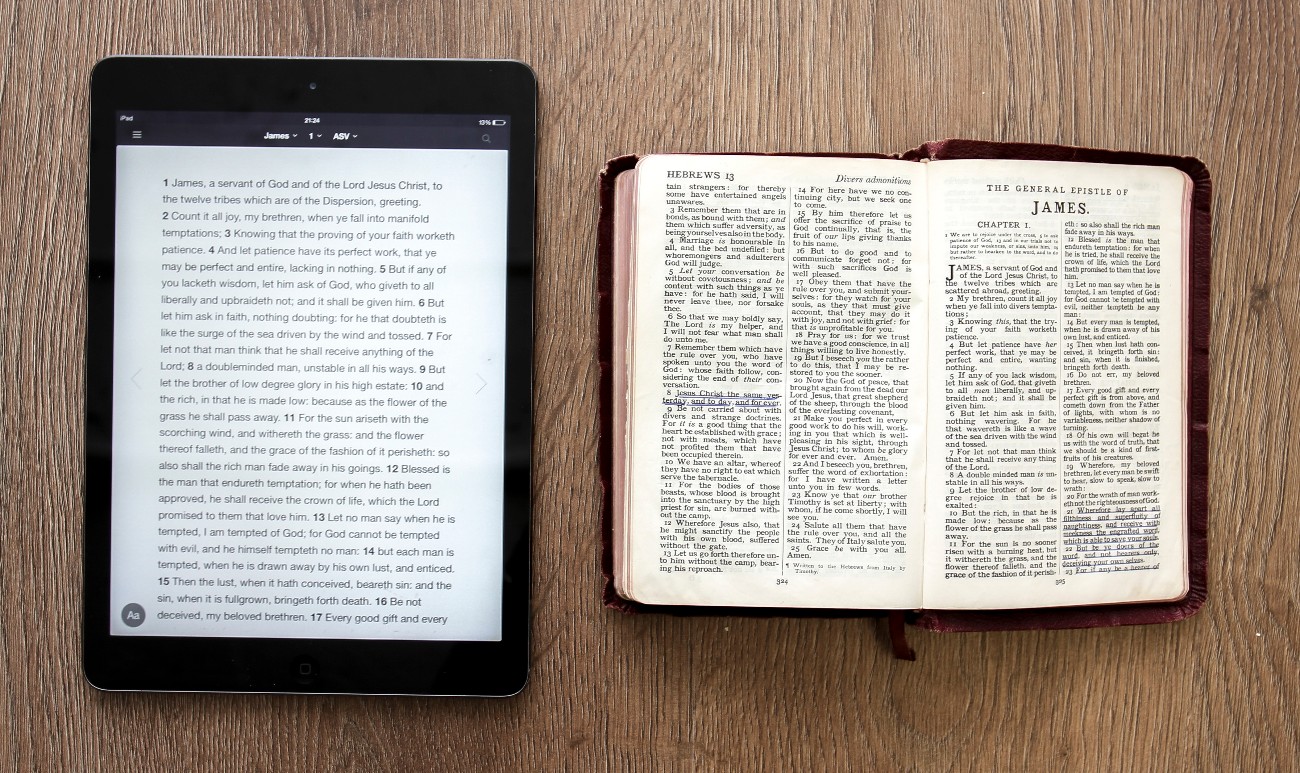
Did you know that there are lots of resources here on the blog to help you out as you study the Bible? Below are a few favorites. Click on the link above for more.
I’m going to take a little break before starting our next study, so for the next several Wednesdays, you’ve got some options:
📖 You can finish up The Sermon on the Mount or any of my other studies you’re currently working on.
📖 You can choose a book(s) of the Bible to work through on your own.
📖 You can choose one of my studies to work through at the Bible Studies tab in the blue menu bar at the top of this page. (I would choose one of the shorter ones, like Colossians or Ruth rather than one of the longer ones if you’re only trying to fill the space between now and the beginning of our next study.)
📖 You can follow along with the sampling of “re-run” lessons and resources I’ll be posting here on the blog each week.
And speaking of re-runs, here’s the first one!
Did you miss Bible Reading Plans for the New Year – 2021 when I posted it last December? Or maybe you’re new to the blog since then? There are all kinds of Bible reading plans here, including some that are only a few days or weeks in length.
If you’re just looking for a plan that fills the time between now and the beginning of our next study, #5, #12, #18, or #20 might be a good choice. Also be sure to check the links under Need more suggestions? for shorter plans. Or, you might wish to modify or just do part of, one of the longer plans. Go exploring and choose the plan that works best for you!
You can always find the link to the current year’s “Bible Reading Plans for the New Year” at the “Bible Studies” tab in the blue menu bar at the top of this page.
Want to take a guess on which book of the Bible we’ll be studying next? Comment below!
1. Was there anything new God taught you in this study that particularly impacted you? What was it, and why was it so significant?
2. How is your walk with the Lord different after this study than it was before?
3. Which of the “middle parts” (ex: merciful, poor in spirit) of the Beatitudes do you seem to be maturing in? Which are areas of weakness for you? How did this study help you come to those conclusions?
4. What have you learned from this study about what it means to be salt and light in the world, and how, practically, to be saltier and brighter in your own life?
5. What did this study teach you about the posture of the heart as the motivator for our obedience to the commands of Scripture?
6. Have there been any passages or concepts in this study that God used to convict you of disobedience and lead you to repentance? How will you walk differently in this area from now on?
7. What have you learned about God and His nature and character from this study?
Homework
Spend some time in prayer this week asking God to show you how to put into practice one thing you learned from this study.
Recite all of your memory verses from this study. Which one is most meaningful to you right now?
1. Briefly review the “middle parts” (ex: merciful, poor in spirit) of the Beatitudes, the “salt and light” passage, and the “heart of the law” passage in Matthew 5:1-12, 13-16, 14-20. Now read 7:24-29 in light of those passages.
2. In the Beatitudes, Jesus lists the traits that define Christian character. In much of the rest of the Sermon on the Mount He fleshes out what many of these character traits look like when walked out in “real life”. Which of the traits (the “middle parts” – there could be several) listed in the Beatitudes is Jesus expanding on in today’s passage?
How do: being wise, obedient, “building your house on the rock,” and extolling Jesus’ authority make you salty and bright? (5:13-16)
3. Review from our previous lessons (links above) the idea that the Sermon on the Mount is to the New Testament / new covenant what the Ten Commandments were to the Old Testament / old covenant.
Zoom out and think “big picture” about the Sermon on the Mount and the Ten Commandments. How do they both reinforce the concept of God’s/Jesus’ authority (29) to direct our lives? How do they both impart the idea that we are to submit to Him and obey Him? How do they both demonstrate that God blesses our submission and obedience?
Despite having dropped the “You have heard it said…but I say to you…” framing of His teaching in chapter 6, how is Jesus still shifting the people’s focus from outward obedience to the letter of the law to zeroing in on the attitude of their hearts and the spirit of the law? How must being a genuinely regenerated Believer – being wise, building our lives on the rock of Christ, and bowing to the authority of Christ – be at the heart of our obedience to God?
4. Explain the parable in verses 24-27- What do the…
wise and foolish
the house
the rock and the sand
rain, floods, wind
the foundation
…represent?
5. How does 24-27 flow out of 21-23? In verse 24, how does the introductory phrase, “everyone then” function similarly to “therefore,” and other summarizing or “pivot” words/phrases? How is 24-25 the remedy for 21-23? What are “these words of Mine”? (24) Compare 24-27 to these verses. What similarities do you see? Compare verse 23 with verse 27. What is the main idea both of these verses convey?
6. Consider the concepts of “wise and foolish” here in this passage in light of other Scriptures about wisdom and foolishness that you’re familiar with. (If you’re not familiar, start with these, and use your cross-references.) How do the wise man and foolish man in this passage fit in with Scripture’s overall teaching about wisdom and foolishness? Where does wisdom come from?
Compare the wisdom of the wise man in verses 24-25 to the amazing wisdom Christ displayed throughout the Sermon on the Mount.
7. When Jesus originally preached this sermon, did He mean verses 24-27 in a “big picture” way (believing / disbelieving the gospel) or a “little picture” way (trusting Christ / not having Christ to trust through the “storms of life”)? Is it reasonable, and rightly handling Scripture, for today’s Believer to understand and apply this passage both ways? Why or why not?
Big picture: What is the end result of a life founded on Christ versus a life founded on anything else (i.e. “all other ground is sinking sand”)?
Little picture: How do Believers weather the storms of life compared to unbelievers? What assurances and comforts do we have during difficult times? What are some of the temporal benefits and blessings of believing the gospel and obeying Christ?
8. In verses 28-29, explain the difference between Jesus’ authoritative teaching and the scribes’ non-authoritative teaching. Where did Jesus’ authority in teaching come from? Think about the people Jesus was speaking to, and try to put yourself in their shoes. Why would His speaking authoritatively have been “astonishing”? (Don’t forget to use your cross-references.)
Homework
Imagine you’re an average, first century Jew, trying to live faithfully while waiting for the Messiah to come. You’ve just finished listening to the Sermon on the Mount. Think back over everything you’ve heard Jesus say in chapters 5-7. What are your 4-5 most important takeaways? What’s your impression of Jesus?
You knew it was coming… :0)
When I was a kid, we only had the first two verses of this song. I like the verses that have been added!
God recently saved me out of __________ “church” / religion. I’m not sure what to do next. I’m scared to start looking for a new church because I don’t know what to look for in a good church, and I’m afraid I’ll choose another bad one. And how do I “do” this whole Christianity thing, anyway?
I’ve received some variant of this question dozens of times, and it makes me so happy every time I do. God is still saving people, y’all! Doesn’t that thought just encourage your socks off and fill you with joy?
Whether it’s someone coming out of the New Apostolic Reformation, Mormonism, Catholicism, a liberal/progressive “church,” or the New Age, walking through the doors of biblical Christianity is thrilling, but can also be a bit daunting.
As someone who has been in church since my parents brought me home from the hospital, it’s difficult to wrap my mind around being new to the church and the things of Christ as an adult. It must be like landing on Mars, or at least in a foreign country where you don’t know the customs and don’t really speak the language.
When you’re doing something new, it’s always best to start by reading the directions. So here are a few basic directions that might be of help to you if you find yourself newly saved out of an unbiblical system and you’re not quite sure what to do next:
1. Believe the biblical gospel.
The first priority is making sure you understand and believe the biblical gospel. I know you’re saying you’re saved, but, considering your background and my limited knowledge of where you are spiritually, and considering the fact that sooooo many churches and professing Christians do not know or rightly teach the gospel according to Scripture, I’m not sure what you’ve been told about how to be saved, or “become a Jesus follower,” or however it was put to you, but here’s the truth:
I strongly urge you – even if you’re 100% positive you’re saved – to take your time and slowly and prayerfully work your way through everything on this page to make sure you understand and believe what the Bible says about how to be saved.
Once you’ve done that, if you still need some reassurance that you’re saved, you might want to work your way through my Bible study Am I Really Saved?: A First John Check-Up.
There are two reasons nailing down your belief in the biblical gospel is the first and most important priority:
If you’re not genuinely saved, you need to be, or you’ll die in your sins and spend an eternity in Hell. Even if you think you’re a Christian.
If you’re not saved, you’re not going to understand or accept the things of Christ, and pretty much everything in Christianity and the church is going to rub you the wrong way. First Corinthians 2:14 says: The natural [unsaved] person does not accept the things of the Spirit of God, for they are folly to him, and he is not able to understand them because they are spiritually discerned.
2. Find a church.
The next most important thing is getting you into a doctrinally sound church where you can be taught God’s Word properly.
For Christians, membership in and faithful attendance at a doctrinally sound church is not optional, and is non-negotiable. The Bible knows nothing of “Lone Ranger” Christians. For 2000 years, even in places of harshest persecution, like first century Rome or current day North Korea, the church has found a way to meet together, even if it had to be in secret.
And yes, this means physically attending worship service and other gatherings, not watching it on Zoom, assuming you are physically/medically able to do so and a decent church within achievable driving distance is open. (If not, you’ll have to find another way to meet together with fellow Christians.)
(Notice, I did not say, “If you’re not afraid to go,” or “a church that’s nearby”. There are Christians in the world today who, every time they meet together, are risking imprisonment, torture, and execution. And some of them travel for hours in very primitive modes of transportation just to meet with the church. Prayerfully consider, just between you and the Lord, if you might need to sacrifice your fear or drive a bit longer for the privilege of meeting with His people. Jesus didn’t promise us a bed of roses. He promised us a cross. It’s time to pick it up and carry it. This is what we signed on for.)
Go to my Searching for a new church? tab in the blue menu bar at the top of this page. Start your search for a church by reading all of the resources under What to look for in a church including all of the links contained in those resources.
When you’re finished with that, go back to the top of that page and use the search engines to find a good, solid church in your area. Personally, I would recommend starting with the Founders search engine first, then the The Master’s Seminary search engine, then the others.
When you’ve found a church, start visiting it. Set up an appointment with the pastor to ask any questions you might have. Prayerfully consider whether or not this church is a fit for you – a place where you can learn, grow, and serve. If it is, join it. If not, go back to the search engines and find another church to start visiting.
Helpful hint: You’re not going to find a perfect church. Churches are made up of imperfect saints who still sin and make mistakes. Find the best one you can and help make it better.
3. Get plugged in.
Don’t just sneak in to the back of the sanctuary just as the Sunday morning worship service is starting and sneak back out during the final prayer.
Get invested in the life of your new church. Find a Sunday school / Bible study / small group class to join. Go to midweek services or prayer meeting. Go to fellowships and special events. Get to know people. Find a place to serve.
Be faithful in your attendance. Don’t just go only when you feel like it. Be there at least every Sunday morning unless you’re unavoidably detained. If you wanted to learn chemistry or math or underwater basket weaving, you’d show up for class, right? Well, if you want to learn and grow as a Christian, you’ve got to show up for church.
And if you ever have any questions, never be afraid to ask your pastor, elders, or teachers.
4. Study up / Pray up
Bible study and prayer are crucial for the Christian. They help you grow, and they foster sweet fellowship with the Lord. Don’t let them loom as some big, scary, new thing that you don’t know how to do. They’re both very simple.
Prayer is simply talking to God. Tell Him what’s on your heart. Ask Him to help you and provide for you. Ask Him to help others. Thank Him for all He’s done for you. Confess your sins to Him and ask Him to forgive you. You might find some of my articles on prayer or my Bible study on prayer to be helpful.
Studying your Bible isn’t as hard as it sounds, either. Start by making sure you have a good translation. Then, pick a book of the Bible. Start at chapter 1, verse 1, and make your way through the book, verse by verse until you get to the end. Then start over again with another book. A few tips:
Many Christians find that about a chapter a day is a good amount to study, but take your time and study the amount of Scripture that seems to be a fit for you.
You might want to have a notebook and pen handy for jotting down any notes or thoughts that occur to you about the text as you’re studying.
If you’re new to studying the Bible, I would recommend starting by reading one (or maybe all four) of the gospels (Matthew, Mark, Luke, and John – the first four books of the New Testament). Genesis is also a good book to read as you’re getting your bearings in Bible study.
If you need help studying your Bible, click the Bible Studies tab in the blue menu bar at the top of this page. There are lots of resources to help you learn how to study the Bible, plus all the Bible studies I’ve written. My studies are designed to help you learn how to study the Bible in a “learn by doing” sort of way. Maybe you’d like to work through one of them until you get the hang of studying your Bible on your own.
In addition to Bible study and prayer, I would suggest reading the articles in my Basic Training series. This is sort of a “Christianity 101” series of articles. If you’re new to Christianity and the church, this should help explain some of the things we do, why we do them, and the proper biblical way they should be done.
I would also recommend that women read my Rock Your Role series of articles. This series explains what the Bible says about the role of women in the church.
Welcome to the family, and may God richly bless you as you seek to grow in Him.
If you have a question about: a Bible passage, an aspect of theology, a current issue in Christianity, or how to biblically handle a family, life, or church situation, comment below (I’ll hold all questions in queue {unpublished} for a future edition of The Mailbag) or send me an e-mail or private message. If your question is chosen for publication, your anonymity will be protected.