Doctrinally Sound Teachers

Doctrinally Sound Christian Men to Follow – 3

Sometimes we ladies fall for the mindset that if we’re going to pick up a Bible study book, read a blog, or listen to Bible teaching, it has to be from a female author or teacher. Not so! There are a lot of fantastic, doctrinally sound, male Bible teachers, pastors, and writers out there – far more males than females, actually – and you’ll really be missing out if you limit yourself to women teachers and writers.

I’ve recommended lots of my favorite doctrinally sound teachers at the Recommended Bible Teachers tab in the blue menu bar at the top of this page. Here are some more; and these lists are by no means exhaustive!

IMPORTANT REMINDER: Don’t take my (or anyone else’s) word for it that any ministry, podcast, book, or blog is biblical in its doctrine. You MUST do the work of comparing with Scripture everything you read and hear. If it doesn’t match up with God’s word (in context), chuck it.

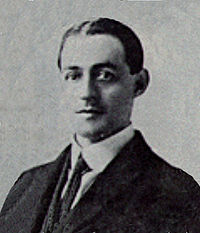
 A.W. Pink – “Biographer Iain Murray observes of Pink, ‘the widespread circulation of his writings after his death made him one of the most influential evangelical authors in the second half of the twentieth century.’ His writing sparked a revival of expository preaching and focused readers’ hearts on biblical living.” Pink pastored churches in Britain, Australia, and across the United States. During that time (1922-1953), Pink published a monthly magazine, Studies in the Scriptures. Each edition contained several articles expositing Scripture. He also authored scads of pamphlets and books on a number of theological topics. Perhaps two of his best known books are The Attributes of God and The Sovereignty of God. These, and many other works by Pink are available for purchase or can be read free online.  Facebook 

Tom Ascol – Tom has served as pastor of Grace Baptist Church in Cape Coral, Florida for over thirty years and has taught theology courses at several seminaries. He is one of the founders, and current executive director of Founders Ministries, the president of the Institute of Public Theology, and a popular author, conference speaker, podcaster, journal contributor, and blogger. I am especially grateful for Tom’s strident efforts in the grassroots movement to bring back biblical and doctrinal fidelity in the Southern Baptist Convention. Check out Tom’s booksread one of his excellent articles, listen to his sermons, or subscribe to The Sword and the Trowel podcast.  Facebook  Twitter Instagram

Allen Nelson – Better known as “Cuatro” to his friends (because he’s Allen Nelson IV), Allen has a deep and abiding passion for the local church, and pastors Perryville Second Baptist Church in Perryville, Arkansas. You might recall reading reviews here on the blog of Allen’s books From Death to Life: How Salvation Works and Before the Throne. Both are well written and helpful, and you’ll want to get a copy of each if you haven’t already. Allen is also contributing writer and roundtable member of the Things Above Us blog and podcast, and is a regular contributor to Servants and Heralds. And don’t forget to check out his sermons, too!  Facebook  Twitter

James White – An expert in apologetics, textual criticism, and theology, “James White is the director of Alpha and Omega Ministries….He is Professor of Church History and Apologetics at Grace Bible Theological Seminary….He has authored or contributed to more than twenty four books…He is Pastor/Elder of Apologia Church in Arizona.” Following Dr. White is almost the equivalent of getting a graduate degree from an elite, doctrinally sound seminary. Check out Dr. White’s many books and debates, his blog, and The Dividing Line webcast (also on iTunes).  Facebook  Twitter  

(Note: Dr. White maintains a personal friendship and, in the past, occasional ministerial connections with Dr. Michael Brown, who, although doctrinally sound in many areas of his theology, has become a safe haven for the worst of the worst New Apostolic Reformation heretics. To my knowledge, Dr. White does not endorse this behavior of Dr. Brown, and certainly does not endorse NAR heresy. It is my understanding that he has attempted to correct Dr. Brown’s errors multiple times. I strongly discourage you from following Dr. Brown.)

Darrell Harrison – “Darrell B. Harrison serves as Dean of Social Media at Grace to You, the bible-teaching ministry of John MacArthur…Darrell has a blog called Just Thinking . . . for Myself…and is the lead host of the Just Thinking podcast, one of the top-ranked Christian podcasts in America…Darrell is currently in the final phase of becoming certified as a biblical counselor with the Association of Certified Biblical Counselors (ACBC).” You can read more from Darrell at his G3 Ministries blog. Darrell is also a beloved author, conference speaker, and all around nice guy. Facebook  Twitter Instagram

Tom Buck – Tom’s no nonsense quips and keen insight into the current affairs of Southern Baptist life have made him something of a legend on Twitter, but Tom is first and foremost a pastor, and has served as senior pastor of First Baptist Church of Lindale, Texas, for over 15 years. Tom is also the Director of G3 Expository Preaching Workshops, training pastors to become better preachers. Listen to Tom’s sermons online or on iTunes. Follow Tom’s blog, Vessels of Honor, at the G3 Ministries website.  Facebook Twitter

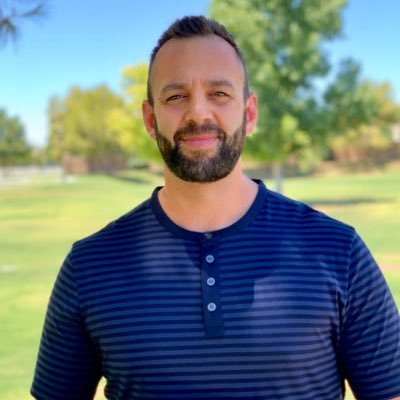
Costi Hinn – Costi is the Pastor of Preaching & Teaching at Shepherd’s House Bible Church in Chandler, Arizona. He is the author of several phenomenal books (one of which I had the pleasure of writing an endorsement for). Though not one to capitalize on the family name, much of Costi’s background and expertise that uniquely qualify him to address the blight of the prosperity gospel and New Apostolic Reformation, stem from his personal experiences as nephew and ministry assistant of NAR faith healer Benny Hinn, and his zeal for sound biblical doctrine is contagious. Check out all of Costi’s blog articles, videos, and his podcast at For the Gospel.  Facebook  Twitter Instagram

Jerry Bridges – Jerry Bridges spent most of his professional career in parachurch ministry, serving in a variety of positions and capacities with The Navigators. He is remembered for his clear and easy to grasp writing style which has endeared to the hearts of millions his books The Pursuit of HolinessThe Practice of GodlinessTrusting God, and over twenty others dealing with topics in theology and discipleship. Get a list (with links) of all of Jerry’s books, listen to his sermons, talks, and interviews here and here, and watch his videos on YouTube.  Twitter

Mike Riccardi – “Mike Riccardi serves as the Pastor of Local Outreach Ministries at Grace Community Church, which includes overseeing Fundamentals of the Faith classes, eight foreign language outreach Bible studies, and evangelism in nearby jails, rehab centers, and in the local neighborhood…He also serves as Assistant Professor of Theology [at The Master’s Seminary]. He has the privilege of serving alongside Phil Johnson as co-pastor of the GraceLife fellowship group at Grace Church.” Check out Mike’s sermons, his books, his articles at the TMS blog and his videos on YouTube. Facebook Twitter

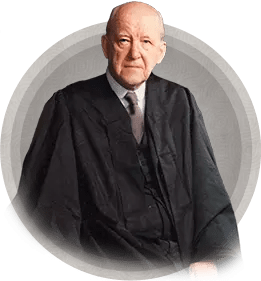
Martyn Lloyd-Jones – “David Martyn Lloyd-Jones was a Welsh Protestant minister, preacher and medical doctor who was influential in the Reformed wing of the British evangelical movement in the 20th century. For almost 30 years, he was the minister of Westminster Chapel in London… Lloyd-Jones was well known for his style of expository preaching, and the Sunday morning and evening meetings at which he officiated drew crowds of several thousand, as did the Friday evening Bible studies.” Listen to Dr. Lloyd-Jones’ many fine sermons (or download the app), or purchase his books. You might also wish to watch the excellent documentary Logic on Fire: The Life and Legacy of Dr. Martyn Lloyd-Jones. Facebook


You can always find these – and more great Christian men and women to follow – at the Recommended Bible Teachers tab in the blue menu bar at the top of this page.

Doctrinally Sound Teachers

Doctrinally Sound Christian Men to Follow – 2

Sometimes we ladies fall for the mindset that if we’re going to pick up a Bible study book, read a blog, or listen to Bible teaching, it has to be from a female author or teacher. Not so! There are a lot of fantastic, doctrinally sound, male Bible teachers, pastors, and writers out there – far more males than females, actually – and you’ll really be missing out if you limit yourself to women teachers and writers.

I’ve recommended lots of my favorite doctrinally sound teachers at the Recommended Bible Teachers tab in the blue menu bar at the top of this page. Here are some more; and these lists are by no means exhaustive!

IMPORTANT REMINDER: Don’t take my (or anyone else’s) word for it that any ministry, podcast, book, or blog is biblical in its doctrine. You MUST do the work of comparing with Scripture everything you read and hear. If it doesn’t match up with God’s word (in context), chuck it.

J.C. Ryle – One of my beloved, “old dead guys,” John Charles Ryle (1816-1900) was the first bishop of Liverpool and a 19th century English pastor, known for his solid preaching and defense of the faith. He was a prolific author of tracts and books, often based on his sermons, and he frequently taught on contemporary issues from a biblical worldview. Two of his better known books are Holiness and Practical Religion. My favorite book of Ryle’s, however, is The Duties of Parents. Many of Ryle’s works are available online for free. Download nearly 200 of Ryle’s tracts (booklets), read one of his books or sermons online, or add a volume or two to your library.  Facebook  Twitter

Conrad Mbewe – A man who wears many hats, Conrad is, first and foremost, pastor of Kabwata Baptist Church in Lusaka, Zambia. Conrad is also editor of Reformation Zambia magazine, Director of International Advancement and lecturer at African Christian University in Zambia (where Voddie Baucham serves as Dean of Theology), writes and preaches extensively, and is a sought after conference speaker. I first became familiar with Conrad when I heard his phenomenal teaching sessions at John MacArthur’s Strange Fire conference. Read Conrad’s blog, A Letter from Kabwata, listen to one of his sermons, or purchase one of his booksFacebook  Twitter

Justin Peters  – “Justin Peters Ministries is committed to communicating biblical truth through expository preaching and teaching resources designed to deepen the believer’s knowledge of God and, in turn, his love for God.” Justin is a beloved and popular conference speaker, most often on the topic of discernment. He is best known for Clouds Without Water, a seminar designed to educate the church on the history, growth, and danger of the Word of Faith and New Apostolic Reformation heresies. Watch a presentation of Clouds Without Water, order some of Justin’s materials, listen to his sermons, or subscribe to Justin’s podcast on YouTube or your favorite podcast platform.  Facebook  

Gabriel Hughes– Gabe serves as Associate Pastor of First Baptist Church, Lindale, Texas. An excellent writer, Gabe blogs on discernment and contemporary issues, but he is probably best known for his 90 second WWUTT (When We Understand the Text) videos which address a variety of biblical topics. Gabe also hosts the WWUTT podcast, a helpful daily study in the Word of God. You can watch WWUTT videos, download WWUTT podcasts, purchase Gabe’s books, and more, at the WWUTT website.  Facebook  Twitter

George Whitefield– George Whitefield (1714-1770) was a minister in the Church of England and, along with the Wesley brothers, was one of the founders and leaders of Methodism. Whitefield’s zeal for evangelism led him outside the four walls of the church, and it was not unusual to find him preaching to thousands and even tens of thousands in fields along the English countryside. Whitefield was also a well-known itinerant preacher and evangelist in the United States, and was an integral part of the Great Awakening. Many of Whitefield’s works are available on line including his sermons and tracts. I thoroughly enjoyed this brief biography of Whitefield by the aforementioned J.C. Ryle, and you’ll definitely want to get a hold of Steve Lawson’s book on Whitefield.  Facebook  Twitter

Nate Pickowicz – A heart for New England and a mind for the Puritans, Nate is the pastor of Harvest Bible Church in Gilmanton Iron Works, New Hampshire. He has authored and edited several books, including R.C. Sproul: Defender of the Reformed Faith, Reviving New England, Why We’re Protestant, and How to Eat Your Bible, an introduction to studying God’s Word, complete with a Bible reading plan Nate designed. Check out Nate’s books and articles, and give his sermons a listen. Facebook Twitter Instagram

Andrew Rappaport – Andrew is an absolute ministry machine. He is the founder and Executive Director of both Striving for Eternity Ministries, a speaking and training ministry, and the Christian Podcast Community, a colloquy of Christian podcasters. Andrew is also the host of several podcasts, himself: Andrew Rappaport’s Rapp ReportAndrew Rappaport’s Daily Rapp ReportApologetics Live, and So, You Want to be a Podcaster, has authored a number of books and study materials, and is a dynamic conference speaker. Listen in to one (or all!) of his podcasts, and check out his books, materials, and training sessions at one of the links above. Facebook

Owen Strachan – Owen is Provost and Research Professor of Theology at Grace Bible Theological Seminary in Conway, Arkansas, and former president of the Council on Biblical Manhood & Womanhood (CBMW). Owen has authored and contributed to a truckload of books and journals on subjects as varied as biblical sexuality, Jonathan Edwards, and social justice. He also writes about theological issues and events at To Reenchant the World. Not just a sharp writer, Owen is also an articulate speaker, hosting his own podcast, The Antithesis, and speaking often at conferences. Listen in to the podcast, and check out Owen’s books. Facebook Twitter Instagram

Scott Aniol– Scott is “Executive Vice President and Editor-in-chief of G3 Ministries and Professor of Pastoral Theology at Grace Bible Theological Seminary. He is a teacher of culture, worship, aesthetics, and church ministry philosophy, he lectures around the country in churches, conferences, colleges, and seminaries, and he has authored several books and dozens of articles.” Scott’s heart for biblical worship -in the church and in the family – is clear in all of his ministry endeavors. Check out his podcast, By the Waters of Babylon, his books and other media, Religious Affections Ministries, and his G3 blog, By the Waters of Babylon. Facebook Twitter Instagram


You can always find these – and more great Christian men and women to follow – at the Recommended Bible Teachers tab in the blue menu bar at the top of this page.

Wednesday's Word

Wednesday’s Word ~ 1 John 4

For further study on the book of 1 John, try my study, Am I Really Saved?: A First John Checkup, from which this lesson is excerpted.

1 John 4

Beloved, do not believe every spirit, but test the spirits to see whether they are from God, for many false prophets have gone out into the world. By this you know the Spirit of God: every spirit that confesses that Jesus Christ has come in the flesh is from God, and every spirit that does not confess Jesus is not from God. This is the spirit of the antichrist, which you heard was coming and now is in the world already. Little children, you are from God and have overcome them, for he who is in you is greater than he who is in the world. They are from the world; therefore they speak from the world, and the world listens to them. We are from God. Whoever knows God listens to us; whoever is not from God does not listen to us. By this we know the Spirit of truth and the spirit of error.

Beloved, let us love one another, for love is from God, and whoever loves has been born of God and knows God. Anyone who does not love does not know God, because God is love. In this the love of God was made manifest among us, that God sent his only Son into the world, so that we might live through him. 10 In this is love, not that we have loved God but that he loved us and sent his Son to be the propitiation for our sins. 11 Beloved, if God so loved us, we also ought to love one another. 12 No one has ever seen God; if we love one another, God abides in us and his love is perfected in us.

13 By this we know that we abide in him and he in us, because he has given us of his Spirit. 14 And we have seen and testify that the Father has sent his Son to be the Savior of the world. 15 Whoever confesses that Jesus is the Son of God, God abides in him, and he in God. 16 So we have come to know and to believe the love that God has for us. God is love, and whoever abides in love abides in God, and God abides in him. 17 By this is love perfected with us, so that we may have confidence for the day of judgment, because as he is so also are we in this world. 18 There is no fear in love, but perfect love casts out fear. For fear has to do with punishment, and whoever fears has not been perfected in love. 19 We love because he first loved us. 20 If anyone says, “I love God,” and hates his brother, he is a liar; for he who does not love his brother whom he has seen cannot love God whom he has not seen. 21 And this commandment we have from him: whoever loves God must also love his brother.


The Holy Bible, English Standard Version Copyright © 2001 by Crossway Bibles, a publishing ministry of Good News Publishers.


Questions to Consider

1. What is the theme or purpose of the book of 1 John? What is the historical backdrop for the book of 1 John?

2. Which Spirit is controlling true Christian teachers? What spirit is controlling false teachers according to verse 3? True or false: If you’re following a false teacher, you’re following a demonic spirit. What does it mean to “test the spirits”? (v1) How did the noble Bereans test the spirits?

3. According to verses 7-8, who defines, originates, and is the embodiment of, love? How does this tell Christians Who and what is to motivate any love that we might feel or show to others? Is the “love” that non-Christians feel or show to others motivated by God or by other factors such as affection, selfishness, lust, etc.? Can you truly love others if you do not know God? In verses 9-10, what is the ultimate definition and demonstration (what action did God take) of the phrase “God is love”?

4. How do we know, according to verse 13, that we belong to Christ? How can we tell if we have the Spirit? In what ways do our actions show that we have the Holy Spirit?

5. What does our love (or lack of love) for others say about whether or not we truly know God? (20) What does verse 20 call people who claim to love God but do not love others? Are such people saved?

Church

Throwback Thursday ~ Finding a New Church- Starting from Scratch

Originally published March 29, 2008

When my husband and I have looked for a new church in the past, we’ve had our choices narrowed down for us because we are comfortable in our denomination and are not looking to change. When you’re starting from scratch, you have a lot more choices to wade through, so it can be more difficult. Here are a few guidelines I’d suggest.

1. The absolute most important thing is to find a church that preaches and teaches only what matches up with what the Bible says, and all of what the Bible says. In other words, they shouldn’t be teaching anything that’s clearly contrary to Scripture and they shouldn’t be leaving things out that are unpopular because they’re afraid they won’t attract as many people.

2. Pray about it. Ask God to lead you to exactly the right church in which to serve Him.

3. If you were raised in a particular denomination and felt comfortable in it, that might be a good place to start, either at the same church or a different church of the same denomination.

4. Ask around. Ask Christian friends about their churches and try visiting with them one Sunday. If you end up joining, you have the bonus of already knowing someone.

5. Do your homework. If there’s a particular church or denomination you’re interested in, chances are, they have a web site. There will probably be a section on the web site called “Our Statement of Faith” or something like that. Check that out and make sure all the tenets line up with Scripture. (But do bear in mind a significant number of churches have a perfectly biblical statement of faith “on paper” but they do not adhere to it in practice, or they are unbiblical in an area the statement of faith doesn’t cover. The best a statement of faith can do for you is to weed out some of the really bad churches. It’s not a guarantee that a church is good.) A lot of churches also have their pastor’s sermons and/or their music on line, so you can get a feel for how things go on Sundays. You’ll also be able to find out when services start, what kinds of programs are available, whether or not they have a nursery, etc.

6. “Interview” churches. Most pastors I know would be thrilled to death if a prospective visitor would call up and make an appointment to come in and talk to them about the church. Ask him whatever you want, find out what’s required for membership, share your concerns, etc. He should be able to answer your queries openly and honestly. I would be very leery about attending a church if the pastor seemed secretive about general doctrinal issues, his own background, or church activities. Sometimes just meeting with the pastor will give you an idea of whether or not you want to give the church a try.

7. Try it on for size. You might fall in love with the first church you try, or it might be like shoe shopping and you have to try several before you find one that fits.

Don’t give up. God has a place for you somewhere.


Additional Resources

Searching for a new church? Lots of great church search engines, plus check out the “What to look for in a church” section, especially if you’re a new Believer or coming out of an unbiblical church background.

How Can I Find a Good Church? 

7 Reasons Church is Not Optional and Non-Negotiable for Christians

Church

Throwback Thursday ~ Persecution in the Pew

Originally published August 7, 2015

Beheadings of Christians by ISIS. Crosses forcibly torn off churches by the Chinese government. Pastors imprisoned. Believers tortured for leaving Islam or sharing the gospel.

The treatment our brothers and sisters across the globe receive at the hands of pagans is nearly unfathomable. They are made to suffer – simply for claiming the name of Christ – by those who openly hate God and want nothing more than to stamp out Christianity.

This is how we, as the American church, have come to define persecution. Outsiders, non-Christians, and the government, all on the attack against the Bible, our faith, our practices, and other beliefs we have long held dear. It’s a correct definition, but it’s not a complete definition.

While we already see a “light” form of this type of persecution in the U.S. – mainly over the issue of homosexuality – there’s another kind of Christian persecution that is mushrooming right under our noses, which most church members either seem oblivious to, or are actually participating in. It’s the persecution in the pew.

If you’re a Christian who has ever dared to vocally take a stand on the truth of God’s word against the false teaching so prevalent in today’s pop Christianity, you’ve almost certainly experienced this type of persecution at the hands of people who call themselves “Christians.”

Don’t believe me?

Try posting a Facebook status that says the Bible prohibits women from being pastors or teaching men.

Demonstrate from Scripture to a Beth Moore, Joyce Meyer, or Joel Osteen groupie that she’s following a false teacher.

Talk to a church member who supports Planned Parenthood “because they provide health care”.

Explain why Christians ought not attend same sex weddings.

Discuss the Bible’s account of Creation with someone from your church who has embraced Darwinian evolution.

Certainly, there are new and immature Christians who simply don’t know these things are unbiblical and are still struggling to embrace God’s word in these areas. And there are those who know what God’s word says, but rebel against it in these areas, who silently ignore Christians who espouse biblical truth, or can politely discuss why their “Christian” views differ from Scripture. However, the willfully biblically ignorant, “screaming banshee” contingent is growing, both in volume and in number.

Surprised? Me too. I’ve been on the receiving end of verbal abuse (and I do mean abuse – name calling, swearing, mocking, the questioning of my salvation, and any number of other nasty and condescending remarks) from “Christians” defending these and other unbiblical views numerous times and I still can’t get over my shock every time it happens.

Call me crazy, I guess I just expect people who call themselves “Christians” to love, obey, and uphold Scripture, not attack those who actually do.

But this kind of thing really shouldn’t be cause for wonder and amazement. We should expect it. Persecution of God’s people by those who claim to be God’s people has been happening since the Old Testament.

Jeremiah:
Now Pashhur the priest, the son of Immer, who was chief officer in the house of the Lord, heard Jeremiah prophesying these things. 2 Then Pashhur beat Jeremiah the prophet, and put him in the stocks that were in the upper Benjamin Gate of the house of the Lord. Jeremiah 20:1-2

Amos:
Then Amaziah the priest of Bethel sent to Jeroboam king of Israel, saying, “Amos has conspired against you in the midst of the house of Israel. The land is not able to bear all his words…12 And Amaziah said to Amos, “O seer, go, flee away to the land of Judah, and eat bread there, and prophesy there, 13 but never again prophesy at Bethel, for it is the king’s sanctuary, and it is a temple of the kingdom.” Amos 7:10, 12-13

Isaiah:
For they are a rebellious people, lying children, children unwilling to hear the instruction of the Lord; 10 who say to the seers, “Do not see,” and to the prophets, “Do not prophesy to us what is right; speak to us smooth things, prophesy illusions, 11 leave the way, turn aside from the path, let us hear no more about the Holy One of Israel.” Isaiah 30:9-11

Perhaps Jesus had in mind some of these instances of Israel’s persecution of the prophets when He said in the Sermon on the Mount:

Blessed are those who are persecuted for righteousness’ sake, for theirs is the kingdom of heaven. 11 “Blessed are you when others revile you and persecute you and utter all kinds of evil against you falsely on my account. 12 Rejoice and be glad, for your reward is great in heaven, for so they persecuted the prophets who were before you. Matthew 5:10-12

The balance of the New Testament is rife with examples of Christians, and even Jesus Himself, being persecuted by those who claim to be God’s people:

Stephen was martyred by “the people and the elders and the scribes,” while Paul, “circumcised on the eighth day, of the people of Israel, of the tribe of Benjamin, a Hebrew of Hebrews; as to the law, a Pharisee;” who went on to be a zealous “persecutor of the church” held their coats.

It was the “high priest, the senate of the people of Israel, and the Pharisees” who imprisoned and flogged the apostles and “charged them not to speak in the name of Jesus” in Acts 5:17-42.

Peter and John were arrested by “the priests and the captain of the temple and the Sadducees” and threatened by “Annas the high priest and Caiaphas and John and Alexander, and all who were of the high-priestly family.”

Even Jesus “came to his own, and his own people did not receive him.” He was nearly stoned twice by Jewish leaders. And, even though it was the Romans who actually carried out the crucifixion, it was only because it was illegal, under current Roman law, for the temple authorities to execute their own criminals.

It was one of Jesus’ own followers who betrayed him to the chief priests. It was the “chief priests and the elders” who arrested Jesus. It was “the high priest…scribes and the elders” who presided over the kangaroo court that condemned Jesus to death. And it was “all the chief priests and the elders of the people” who finally handed Jesus over to Rome.

We may think of these people as Jews, scribes, and Pharisees, but they were the “church people” of their day. It was these “church people” – as much, if not, at times, more so than pagans – who were the ones shouting down, threatening, persecuting, and murdering Jesus and Christians who upheld the truth of His word.

Jesus knew this would happen. In John 16:2-4 He warned the disciples:

They will put you out of the synagogues. Indeed, the hour is coming when whoever kills you will think he is offering service to God. 3 And they will do these things because they have not known the Father, nor me. 4 But I have said these things to you, that when their hour comes you may remember that I told them to you.

And so it goes today. Deceived, self-proclaimed “Christians”, those inside the church who are often just as unsaved as the pagans outside the church, those who prove that they don’t belong to Christ by fighting against His word instead of loving and obeying it, these “church people” are the ones viciously attacking Christians who dare to stand on and for the truth of Scripture. And they think they’re doing God a favor by acting this way.

Continue to cling to Christ and His word and you’ll be one of their victims. It’s inevitable. Jesus said, “If they persecuted me, they will also persecute you.” But keep your eyes on Jesus, not on your circumstances, and remember He also said, “Blessed are those who are persecuted…theirs is the kingdom of heaven.” When you’re persecuted, even by “Christians” you can “rejoice and be glad, for your reward is great in heaven!”