Judges Bible Study

Judges ~ Lesson 2

Welcome, ladies! Just a reminder, please do not skip Lesson 1 from last week (link below). Not only will it answer any questions you may have about the study itself, but if you want to study Judges properly, you must do the background work contained in Lesson 1.

Previous Lessons: 1

Read Judges 1:1-2:5

Questions to Consider

1. Review your notes from last week’s introductory lesson. What are some things to keep in mind as you begin to study the text of Judges today?

2. Carefully examine Deuteronomy 7. How does this passage serve as the historical backdrop for 1:1? How does Judges 1:1-2:5 carry out, and fail to carry out, Deuteronomy 7?

3. In your own words, and using your cross-references, describe what is happening in 1:1-3. Why was it important that the people inquired of the Lord? Were Judah and Simeon individuals?

4. Using the maps in your Bible, or these maps (scroll down to โ€œJudgesโ€), attempt to identify as many locations mentioned in today’s passage as possible, and describe, in your own words, the confrontations at each location.

5. In 1:27-36, who are Manasseh, Ephraim, Zebulun, Asher, Naphtali, and Dan? How did they fail to carry out God’s instructions from Deuteronomy 7?

6. In 2:2, God says to Israel, “You have not obeyed my voice.” List the ways Israel had disobeyed God. Did God give them “credit” for their partial obedience in 1:1-26? It has been said that “Partial obedience is disobedience.” Explain this statement in light of today’s passage.

Israel was a corporate body of God’s people, similar to the way the local church is a corporate body of God’s people. What happens to a local church when part of the body is walking in obedience, and part of the body is walking in disobedience?

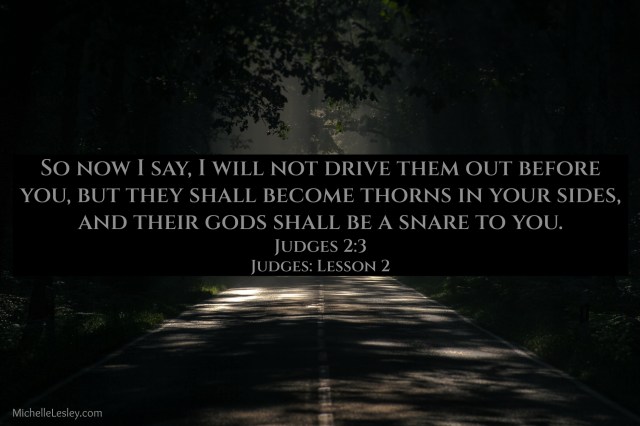
7. At the end of 2:3, what was God’s main concern with Israel’s failure to drive the pagan nations out of the Promised Land? Think about what you know of Old Testament history from this point on. How did the Canaanite gods become a “snare” to Israel?

8. Examine these New Testament passages. How is what God teaches Christians in the New Testament about avoiding false teachers and professing Christians who live in unrepentant sin similar to God’s commands in Deuteronomy and Judges about driving out the pagans so Israel wouldn’t be drawn away by sin and false gods?

9. What was the people’s response to God pronouncing the consequences of their sin in 2:4-5? Does it seem from these verses that this was a godly grief over their sin or a worldly grief over the consequences? What kind of grief does God want us to have when confronted with our sin? Does God always remove the consequences of our sin when we repent? Watch, as we continue our study in Judges, to see if God removes the consequences of Israel’s sin.

10. Today’s passage lays the foundation for what is to come in the book of Judges. Describe the foundation Israel laid, and what you expect to see happen when they build on that foundation in the chapters to come.


Homework

  • Think about your church. Is there any way part of the body is walking in disobedience? How? Commit to praying for your church about this, and prayerfully consider whether you should speak to your pastor about it, and how you might influence your brothers and sisters in Christ toward obedience to Scripture.
  • Consider your relationships and partnerships in light of the New Testament passages linked in #8. Is there any way you need to “come out from among them and be ye separate”? Pray about how God would have you be set apart to Him when it comes to these relationships and partnerships.

Suggested Memory Verse
Judges Bible Study

Judges ~ Lesson 1- Introduction

Welcome to our new study: Judges! The era of the judges was a dark time for the people of Israel – a time of rampant sin, idolatry, and rebellion against the God who loved them and kept calling them back to Himself. The theme verse of Judges paints a picture of just how bleak things really were:

In those days there was no king in Israel. Everyone did what was right in his own eyes.

Judges 21:25

The title pic for this study is meant to evoke the image of the people of God walking down a road broken by their sin, surrounding themselves with so much darkness and evil it all but blocks out the lamp for their feet and the light for their path. But we will see the love of God continuing to beam down on His people, dappling their darkness with spots of His marvelous light.

Could it be that Judges is just the book God’s people should be studying today?


If you’re new to using my Bible studies, just a few housekeeping items and helpful hints:

The studies Iโ€™ve written (you can find all of them at the Bible Studies tab in the blue menu bar at the top of this page) are like โ€œtraining wheelsโ€. Theyโ€™re designed to teach you how to study the Bible for yourself (or teach it to others) and what kinds of questions to ask of the text so that, when you get the hang of it, you wonโ€™t have to depend on other peopleโ€™s books and materials โ€“ even mine โ€“ any more. To that end, I do not provide answersย for the study questions in the studies Iโ€™ve written.

My studies are meant to be extremely flexible and self-paced so that you can use them in the way that works best for you. You can do an entire lesson in one day or work on the questions over the course of the week (or longer). You do not need to feel obligated to answer all (or any) of the questions. If the Holy Spirit parks you on one question for several days, enjoy digging deep into that one aspect of the lesson. If He shows you something I haven’t written a question about that captures your attention, dive in and study it! Those are ways the Holy Spirit speaks to us through His Word. This is your time to commune with the Lord, not a school assignment or work project you are beholden to complete in a certain way by a certain deadline.

I will post a new lesson on the blog every Wednesday, so there is nothing to sign up for or commit to. Simply stop by the blog each week, or subscribe to the blog via e-mail to have the lessons delivered to your inbox.

I use hyperlinks liberallyThe Scriptures for each lesson will be linked at the beginning of the lesson and in the lesson questions. As you’re reading the lesson, whenever you see a word in a different color text, click on it, and it will take you to a Scripture, article, or other resource that will help as you study.

All of the studies Iโ€™ve written are suitable for groups or individuals. You are welcome to use them as a Sunday school or Bible study class curriculum (for free) with proper attribution.

You are also welcome to print out any of my Bible studies (or any article Iโ€™ve written) for free and make as many copies as youโ€™d like, again, with proper attribution. Iโ€™ve explained more about that in this article (3rd section).


Introduction to Judges

Before we begin studying a book of the Bible, itโ€™s very important that we understand some things about that book. We need to knowโ€ฆ

Who the author was and anything we might be able to find out about him or his background.

Who the audience of the book is: Jews or Gentiles? Old Testament Israelites or New Testament Christians? This will help us understand the authorโ€™s purpose and approach to what heโ€™s writing.

What kind of biblical literature weโ€™re looking at. We approach books of history differently than books of wisdom, books of wisdom differently than books of prophecy, etc.

What the purpose of the book is. Was it written to encourage? Rebuke? Warn?

What the historical backdrop is for the book. Is Israel at war? At peace? In exile? Under a bad king? Good king? Understanding the historical events surrounding a piece of writing help us understand what was written and why it was written.

When the book was written. Where does the book fall on the timeline of biblical history? This is especially important for Old Testament books which are not always arranged in chronological order.

So this week, before we start studying the actual text of the book of Judges, we need to lay the foundation to understanding the book by finding the answers to these questions.

Read the following overviews of the book of Judges, taking notes on anything that might aid your understanding of the book, and answer the questions below:

Bible Introductions: Judgesย at Grace to You

Overview of the Book of Judgesย at Reformed Answers

Summary of the Book of Judgesย at Got Questions

1. Who wrote the book of Judges? How do we know (or why do we not know) this?

2. Approximately when was Judges written? What is the geographical setting of the book of Judges? Here are some maps (scroll down to โ€œJudgesโ€) that may be helpful as you study through the book of Judges.

3. Who is the original, intended audience of the book of Judges? Describe the historical setting (historic events, politics, sociology of the time, etc.) of Judges.

4. Whichย genre of biblical literature is the book of Judges: law, history, wisdom, poetry, narrative, epistles, or prophecy/apocalyptic? What does this tell us about the approach we should take when studying this book versus our approach to books of other genres?

5. What is the theme or purpose of the book of Judges?

6. What are some of the major topics of instruction or exhortation in the book of Judges? How do these topics relate to the theme of Judges?

7. What are some ways Judges points to and connects to Jesus?

8. What else did you learn about the setting of this book that might help you understand the text of the book better?

Take some time in prayer this week to begin preparing your heart for this study. Ask God to give you wisdom and understanding for the text, and an increased hatred for sin and hunger for holiness, as we study Judges together.

Uncategorized

The Word on Wednesdays

Hi ladies! I hope youโ€™ve been enjoying The Word on Wednesday Bible study lessons and resources, and that youโ€™re looking forward to our new study as much as I am.

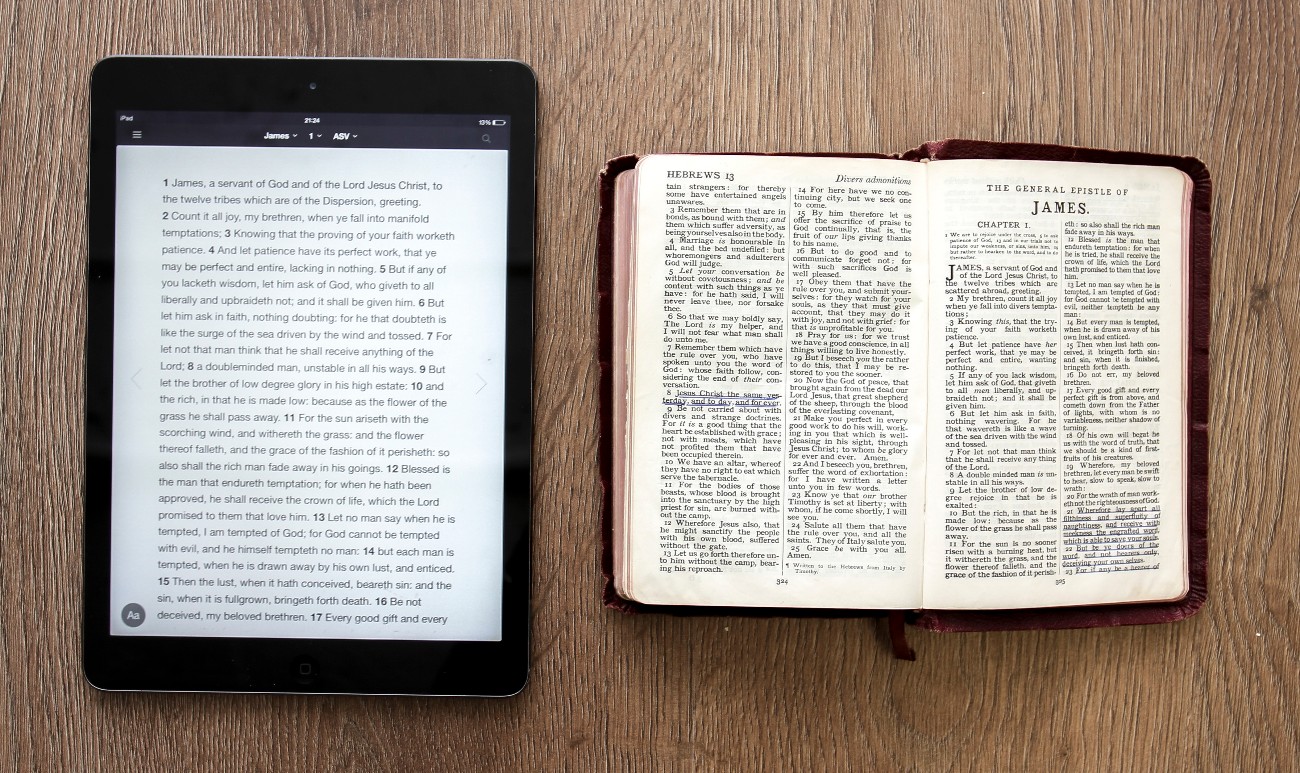
Iโ€™ve been taking a break on Wednesdays getting ready for our new study. I hope youโ€™ll enjoy it and that it will edify you as you seek to grow in Christ and His Word. (The picture above does not mean we will be studying James. :0)

Unless Providentially hindered, I hope to announce the new study in the next few weeks. Stay tuned, and keep an eye on the blog on Wednesdays.

In the meantime, I’ll be posting some articles from the archives that I think youโ€™ll find helpful as we make our way toward our next study. Here is this weekโ€™s article:

Wednesday’s Word

Wednesday is Bible study day here on the blog. In my Wednesday’s Word Bible study series youโ€™ll find miscellaneous, one lesson Bible studies from each book of the Bible. One chapter of Scripture followed by study questions. This sampler series demonstrates that thereโ€™s nothing to be afraid of when approaching those โ€œlesser knownโ€ books and that every book of the Bible is valuable and worth studying.

Wednesday’s Word ~ Psalm 139

Oย Lord, you haveย searched me and known me!
2ย Youย know when I sit down and when I rise up;
ย ย ย ย youย discern my thoughts from afar.
3ย You search out my path and my lying down
ย ย ย ย and are acquainted with all my ways.
4ย Even before a word is on my tongue,
ย ย ย ย behold, Oย Lord,ย you know it altogether… Continue reading…

Holidays (Other), Old Testament, Parenting

Throwback Thursday ~ Bad Dad David?

Originally published June 16, 2019

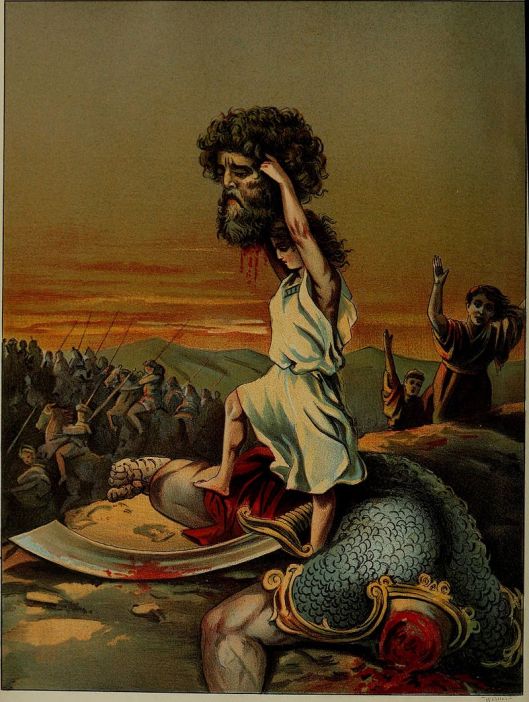
I recently finished reading through the life of David during my quiet time. When we think of David, the first thing to jump to mind is probably โ€œand Goliathโ€ or โ€œand Bathshebaโ€ or maybe that he was a king or a psalmist. But have you ever thought of David and the first thing to come to mind was โ€œlousy fatherโ€? I havenโ€™t. And the Bible doesnโ€™t explicitly tell us that he was a bad dad. And, letโ€™s face it, even the most godly parents in the world can have a kid or two who turn out to be prodigals. But if you look at how some of Davidโ€™s children turned out, you have to at least wonder about his parenting skills.

First youโ€™ve got Amnon โ€“ as disgusting a specimen of a human being as ever walked the planet. He makes himself physically ill lusting day after day for his half sisterTamar. Thatโ€™s a lot of lust. But at least โ€“ at least โ€“ he keeps it to himself. For a while, that is.

Amnonโ€™s got an equally disgusting cousin, Jonadab โ€“ who, instead of smacking him senseless when Amnon shamelessly confesses his dastardly daydreams โ€“ devises a scheme to help Amnon indulge his foul and festering flesh by tricking David into making Tamar available to him. David sends Tamar to Amnonโ€™s house, and Tamar pleads with him not to force himself on her.

(While Tamar is pleading with her pustule of a brother, she says something interesting: โ€œPlease speak to the king, for he will not withhold me from you.โ€ Now, arguably, itโ€™s likely she was just saying whatever she could think of in the moment to get away from Amnon and didnโ€™t really believe David would allow Amnon to marry her. But if she did believe that to be true, that definitely says something about David. Because, by that time in Israelโ€™s history, intermarriage between two people who shared a parent was big-time illegal with severe consequences for the offenders. And David and everybody else in the kingdom knew that. Did Davidโ€™s children think he would break the law for them and excuse them from punishment? And for such a nauseating reason?)

But Amnon ignores Tamarโ€™s heartbreaking pleas and forcibly rapes her. He rapes his sister. David finds out what happened and is understandably angry. But does he follow the law and have Amnon executed? Nope. (So we at least have our answer to the question of whether or not David would break the law for his children.) If David did anything about the situation, the Bible doesnโ€™t record it.

Fast forward two whole years. David has still not made his rapist son face the music, so Absalom, Tamarโ€™s full brother, metes out his own brand of justice, putting Amnon to death.

Fast forward a few more years and Absalom thinks, โ€œI believe Iโ€™d make a better king than dear old Dad.โ€ So he sets about manipulating and stealing the hearts of his countrymen away from David and stages a bloodless coup. David ends up having to flee for his life from his own son. Meanwhile, Absalom moves into the palace, sets up a love nest on the roof where everybody can see, and sleeps with Davidโ€™s concubines. Then, Absalom gathers up an army to hunt David โ€“ his father โ€“ down in order to kill him and secure his throne.

Davidโ€™s men fight valiantly for him, risking their own lives. Joab, the commander of Davidโ€™s army โ€“ perhaps considering Davidโ€™s command to โ€œdeal gentlyโ€ with Absalom as ludicrous after all Absalom has done โ€“ seizes an opportune moment, and kills Absalom. David flips out in grief, so much so that Joab has to rebuke him: all these men risked their lives to save you, David, and youโ€™re crying and moaning over this wretch who was trying to kill you! Snap out of it or theyโ€™re going to turn on you! Fortunately, David has the sense to listen to him.

After some more wars, some famine, and a โ€œsin-sus,โ€ Adonijah decides he can pull off the coup his brother Absalom so spectacularly failed at. David is old and sickly, and it should be easy for Adonijah to make a grab for the throne. And in the description of Adonijah, hereโ€™s what was said that initially got me thinking David wasnโ€™t Dad of the year:

His [Adonijahโ€™s] father [David] had never at any time displeased him [Adonijah] by asking, โ€œWhy have you done thus and so?โ€ 

Are you picking up what the author of 1 Kings is laying down? David was an indulgent father. He had never at any time questioned his sonโ€™s actions or intervened in a way that upset him. He let Adonijah run wild and do what he wanted to do. And the way Amnon and Absalom acted, itโ€™s reasonable to surmise that David raised them the same way, along with all the rest of his children. Itโ€™s a miracle Solomon turned out as well as he did (at least until his wives drew him away from the Lord into idol worship). Reading the first nine chapters of Proverbs, I canโ€™t help but wonder if Solomon observed Davidโ€™s parenting and was determined not to follow his poor example. Listen to my instructions, son. Get wisdom. Donโ€™t be a fool.

Sometimes Bible characters set a great example for us. David, a man after Godโ€™s own heart, set many. But sometimes God lets us see their poor and sinful behavior so we can learn not to follow their example. Moms and Dads, letโ€™s make sure we are men and women after Godโ€™s own heart when it comes to parenting our kids.

Happy Fatherโ€™s Day, yโ€™all.

Bible Study

The Word on Wednesdays

Hi ladies! I hope you’ve been enjoying The Word on Wednesday Bible study lessons and resources, and that you’re looking forward to our new study as much as I am.

I’ve been taking a break on Wednesdays getting ready for our new study. I hope youโ€™ll enjoy it and that it will edify you as you seek to grow in Christ and His Word. (The picture above does not mean we will be studying James. :0)

Some may find the book of the Bible we’ll be studying to be an exciting challenge (a challenge I know you’re up for!), so I wanted to give you a heads up to start thinking about reference materials. You don’t have to buy or use any of these materials, but you may find them handy as you study.

If you have been considering investing in a good study Bible, this would a great time to do so, not just for our next study but to use for years to come. I personally use and highly recommend the MacArthur Study Bible (the ESV and NASB are good translations), and, although I haven’t tried it out myself, I understand the ESV Study Bible is also very good. (You might want to shop around for the best price. These are both available on Amazon and probably other retail sites as well.) If free is more in keeping with your budget, the Faithlife Study Bible app is phenomenal. It not only has very good and copious study notes, it also has maps, Bible dictionaries, articles, videos, pictures, and more. In fact I would recommend you download it as a supplementary resource even if you decide to get one of the aforementioned study Bibles – it’s that good.

If you have a good set of Old Testament commentaries, you may find those to be useful in our study. There are also a number of sites that offer free, online commentaries, Bible dictionaries, encyclopedias, and other study resources (most of these are available as apps):

Bible Gateway          Blue Letter Bible          Bible Hub

Bible Study Tools         StudyLight.org

And finally, you can always find great articles, sermons, devotions and other materials to aid your understanding of various topics and passages of Scripture at Grace to You and Ligonier.


I hope you’ll find these resources helpful as we begin our new study.

What is your favorite
study Bible, commentary, or other Bible study resource?
Share with others in the comments below!