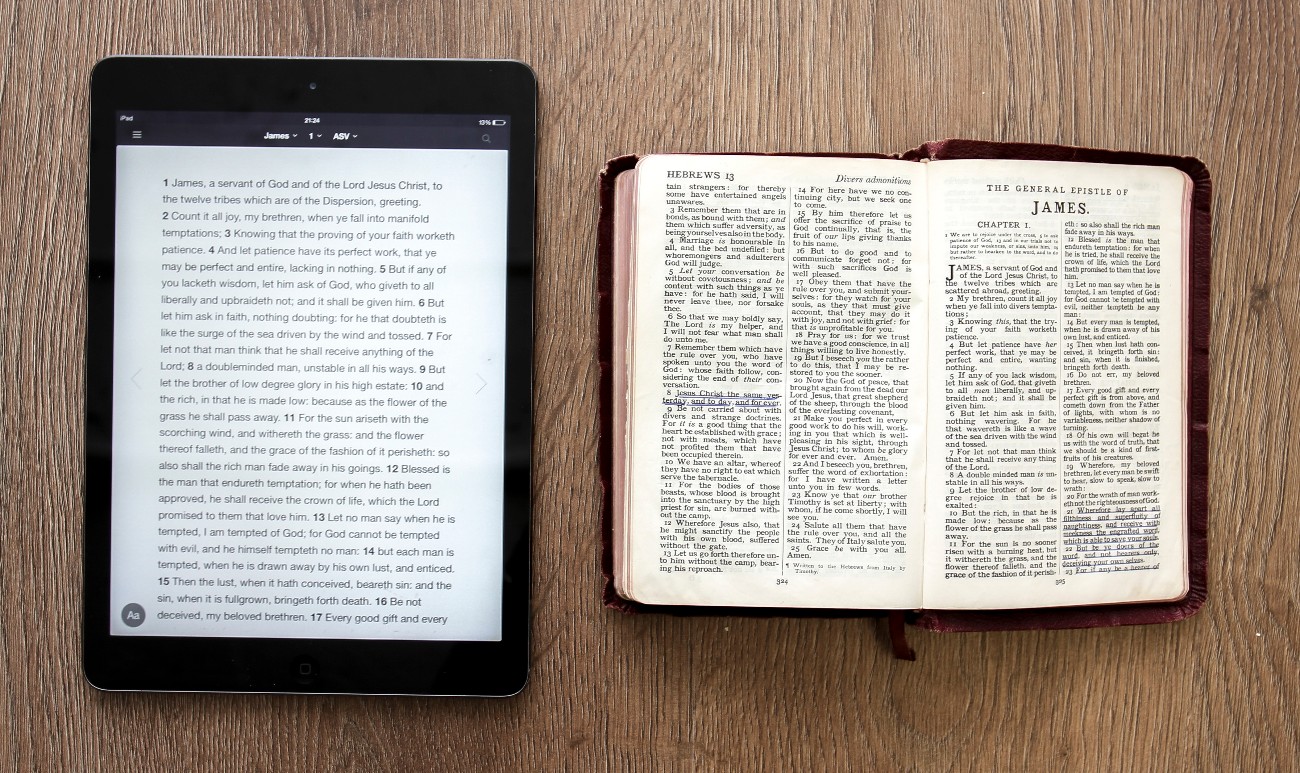
Bible Study

Throwback Thursday ~ 10 Simple Steps to Plain Vanilla Bible Study

Originally published April 22, 2016.

plain vanilla

Baskin Robbins is one of my favorite places to get ice cream. Not only is their ice cream good, but they boast a plethora of flavors to choose from. I love to start at one end of the counter and work my way through all their offerings, getting a little “taste spoon” here and there if a particular flavor piques my interest.

Flavor_Enlarged_Peanutbutter'nChocolate2
Photo courtesy of BaskinRobbins.com.

Having a myriad of options is great when it comes to ice cream, but when it comes to studying the Bible, the tsunami of materials, methods, and other choices out there can be overwhelming. Where do I start? How do I know if a certain Bible study book or teacher is doctrinally sound? Is the study method I’m using in line with good hermeneutics?

It can be enough to make you throw your hands up in the air and head for your local Thirty One Flavors to drown your sorrows in Peanut Butter ‘N Chocolate.

Sometimes it can help to get back to plain old, simple, vanilla Bible study. I’ve been saying for a while now that Christian women should, for the most part, put all the “canned” Bible study books, workbooks, and DVDs aside and simply pick up their Bibles and study them in a systematic way. After all, up until somewhere near the latter half of the 20th century, that’s generally how people studied the Bible. And it worked. People grew in their faith to godly maturity just fine. So, why can’t it work today?

It can. It does. It will.

Unfortunately, the blessing of lots of options, methods, resources, and information, and the marketing of that blessing by celebrity Christians and Christian retailing, has bred a generation of Christian women who are fearful that they aren’t as smart or as capable of reading and understanding God’s word as all the “experts” out there. They look at the simplicity of picking up their Bibles and studying them like calves looking worriedly at a new gate.

“What does that mean?”

“How do I do that?”

“I’m scared I’ll get it wrong!”

It absolutely breaks my heart to hear this angst from women who, I’m certain, genuinely want to study God’s word correctly so that they can know Him better and grow in their faith. And it makes me livid at the churches who haven’t trained them properly, the plantation-style women’s “Bible study” marketing that has kept them ignorant and dependent slaves to Christian retailers, and whatever other forces have conspired to keep these precious ladies away from the pure milk of the word.

So let’s reboot, get back to basics, and get as many women digging into the Word as possible.

First, it’s important to start out with a biblical perspective:

1. God is kind, and He loves you.

Yeah, I know, that’s pretty basic. But it’s worth bringing to the forefront for this discussion. This is a God who loves you and wants you to know Him. He has revealed Himself to you through creation, through Christ, and through His written word. He has indwelt you as a believer with the Holy Spirit to help you understand Scripture. He has told you that you can ask for wisdom and promises to provide it. In His kindness God has bent over backwards to provide you with ways to know Him. He is not some mean ogre sitting up there just waiting for you to get something wrong so He can chastise you. He wants you to understand His word.

2. The Perspicuity of Scripture

There’s this really great, comforting, reassuring doctrine called the perspicuity of Scripture. The gist of it is that Scripture is, for the most part, clear and understandable, especially for believers, because of the aforementioned indwelling of the Holy Spirit. But even lost people tend to understand a lot of what Scripture says (that’s why you hear so many of them arguing against it – they couldn’t do that if they didn’t at least partially understand it).

So, by and large, if you’re reading the Bible in an orderly way you should be able to understand it fairly well. You don’t have to have a seminary degree or be an “expert.” There are dirt farmers and country preachers out there who have a better grasp of Scripture than some celebrity pastors in multi-million dollar churches with thousands of congregants, and a string of seminary degrees behind their names.

OK, now that we have a biblical perspective on studying the Bible, how do we do it in a systematic or orderly way?

3. Pray

Don’t see this as childish or unimportant and skip it. Start your Bible study time by asking God to help you understand His word, to learn what He wants you to learn from it, and to obey its instruction. Even if you’re pretty well versed in the Scriptures, praying like this before opening God’s word will remind you of its holiness and your proper place of humility and submission to it.

bible-1089968_12804. Read the Bible the way you would any other book.

When you pick up a novel, do you read one sentence out of the middle of chapter 4, followed, the next day, by a paragraph from chapter 37, and, the next day, a couple of lines from chapter 1? Of course not. You wouldn’t know what was going on and what the characters meant by what they were saying. If you wouldn’t read something as inconsequential as a novel this way, why would you read the Bible in such a haphazard manner? Yet this is precisely the way people often approach daily Bible study.

My pastor said something awesome about this in his sermon the other day:

The Bible isn’t Google for self-help.

And he’s so right. We don’t just parachute in to a random passage, hoping to glean a nugget of truth. Pick a book of the Bible (maybe Genesis or one of the gospels if you’re new to all this), start at the beginning, and read a little each day until you reach the end. It’s really that simple.

5. Context, context, context

It’s important to read and understand Scripture in its context: how a verse fits with the verses immediately surrounding it, within its chapter, within its book, and within the overarching narrative of the Bible. This is really the biggest key to comprehending Scripture. Fortunately, the main way to do this is by reading the Bible in an orderly way (see #4- You did already read #4, right?)

Another invaluable practice is to make use of the cross-references and footnotes in your Bible. Cross-references will help you get a better idea of how the passage you’re reading fits together with other, related passages. Footnotes are there to add a touch of clarity to particular words and passages.

6. Get a plan, Fran.

If structure helps you, choose a good Bible reading plan. For the beginner, start off with one of the shorter plans so you won’t get overwhelmed. When you’re ready, I highly recommend the chronological plan. It is extremely helpful for learning the big picture of Scripture.

If you decide to choose a reading plan, though, hold its schedule loosely and don’t be beholden to its time frame. Work through the readings at your own pace. Take the time to let the Scriptures sink in and spend as long as you need to on any given section. God doesn’t give gold stars for finishing the Bible in a year.

7. Understand the background and setting.

There are some passages in Scripture that are a little more difficult to understand if you don’t know the customs of the time or what was going on historically and politically. In these cases a good study Bible, commentary, and other resources can be beneficial. I’ve touched on the specifics of some of these resources here. Many of these helpful materials can be found on-line for free.

8. Take notes on the text.

Hmm…an orderly method of reading…footnotes…extra resources…taking notes…this is starting to sound like…well…studying! Yep, that’s the idea. Isn’t it interesting that we often take a more serious and scholarly approach to studying for a class or a test than we do to studying our Bibles?

If you were a better student than I was in high school and college, you probably took notes on your text books as you read them. You wrote down things you wanted to remember, things that seemed important, things you didn’t understand and wanted to work on more later, things that were especially meaningful, even questions that occurred to you. Those are all good things to write down as you study your Bible, as well.

presenter-1206345_12809. Listen to good preaching.

As a Christian, you should already be doing this at least weekly at the church you’re a member of. But try to sneak in some extra listening – to your own pastor or another doctrinally sound pastor – as often as you can during the week. Listening to someone rightly handle and explain God’s word helps you to understand it and trains you to rightly handle it yourself as you study.

I once read that children who read a lot are better spellers. Not because they study spelling more, but because they’re exposed to more words and have the correct spelling of words constantly in front of their eyes. They sort of soak up good spelling by osmosis, and when it’s time for the spelling test, they simply write down what they’ve absorbed. Listening to good, expository preaching can have the same kind of helpful impact on your Bible study skills.

10. Practice makes perfect.

Studying the Bible is just like any other skill. You’ll probably fumble around a good bit when you’re first getting started, but if you stick to it, you’ll find that it gets easier and you get better at it as time goes by. Don’t be afraid to start. Jump right in there and try. Nothing ventured, nothing gained, right?


Ladies, simply picking up the Bible and studying it each day is such a joy. I have been doing it for years, and I love it. The excitement of “digging for buried treasure” in God’s word and uncovering the truths of Scripture for myself has been far more meaningful to me and has grown me so much more than any workbook or curriculum I’ve ever used. I hope you’ll put aside your book studies and devotionals, and give it a try yourself!

Bible Study, Church

Throwback Thursday ~ 4 Ways We’re Getting Women’s Discipleship Wrong, and How We Can Get it Right!

Originally published November 2, 2018

In the days leading up to Wednesday’s observance of Reformation Day, I directed your attention, in part, to the brave and godly women who played a part in the Protestant Reformation. A few days ago, I shared this post on my Facebook page…

…and asked:

Is the women’s Bible study you’re attending preparing you for something like this?

Of course, when I say, “something like this,” I don’t mean only being executed for your faith. I mean something hard. Life-shattering. Devastating. The loss of your spouse. A stillbirth. Your adult child choosing the prodigal life. A terminal diagnosis. Losing your business or your job because you won’t compromise on Scripture.

And it isn’t just the big, life-altering things, either. What about “smaller” issues like humility, serving without resentment, gratitude, glorifying God instead of self, submitting to your husband, patience, and prioritizing your time in a godly way? What about daily life in general?

Praise God, many women can truthfully answer, “Yes,” to my question. Their churches are training them in the Scriptures and discipling them well so that they can face big or small issues in a godly, biblical way.

But if the best sellers shelf at LifeWay is anything to go by, far more women would have to answer, “No.” Something is wrong in women’s discipleship in the vast majority of evangelical churches. I see the product it creates every day: women who run their lives by their feelings instead of the Word of God, women who believe their own opinions and experiences over Scripture, women who attend every study, every simulcast, every conference, every women’s ministry activity, yet whose lives are devoid of the Fruit of the Spirit.

Our churches have far too many weak women, burdened with sins and led astray by various passions, always learning and never able to arrive at a knowledge of the truth. (2 Timothy 3:6b-7)

And if you’re consistently getting a defective product, you’ve got to trace the problem back down the manufacturing line to find out what’s wrong and fix it so your product won’t be defective any more.

So what’s going wrong on our discipleship assembly line, and what can we do to fix it?

1.
We’re creating false converts instead of true Believers

This is the main reason we see women who can’t or won’t deal with life’s issues – big or small – in a biblical way. They can’t because they’ve never been truly saved, despite what they may claim. And the reason many of them think they’re saved – because they’ve prayed a prayer, walked an aisle, or made a commitment to…something – is that their churches have not taught them the biblical gospel.

The biblical gospel is not “Jesus is a nice accessory to add to your life to make it prettier, like a new purse or bracelet,” or “Jesus will heal you, give you the money you need, or do cool signs and wonders for you,” or “Jesus will help you accomplish your dreams,” or “You’re worthy. You’re enough. Jesus loves you.”

The biblical gospel is raw and startling and offensive: You’re not worthy because you’ve offended a holy God with your sin and rebellion. You deserve death and Hell for your crimes against the King, and there’s nothing you can do to assuage His wrath against you. It is right and good for you to feel guilty and hopeless about that. But because God is good, and worthy, and kind, and merciful, He, in the person of Jesus Christ, took the wrath and punishment you so richly deserve by suffering humiliation and dying on the cross. He endured all of that so you wouldn’t have to. Then He rose again to conquer death so you could live. So He could give you the gift of repentance and faith and credit His righteousness to your account to forgive your sin and make you right with God. You’re not enough. Jesus is enough. And praise God for that!

The Fix:

We need our pastors and teachers to fearlessly and unashamedly proclaim the hard edges of the gospel. We need to train church members to share the gospel correctly. We need to stop reassuring people living in unrepentant sin that they’re saved. If it walks like an unsaved duck and quacks like an unsaved duck, it’s most likely an unsaved duck. And that duck needs to examine herself against Scripture, maybe with the help of a mature sister in Christ, to find out where she stands with the Lord.

Basic Training: The Gospel

Am I Really Saved?: A First John Check Up

2.
We’re dealing drugs instead of fostering joy

If you look out across the landscape of evangelicalism today, you’ll notice the dynamic between women’s ministry and Christian woman bears an eerie resemblance to the dynamic between drug dealer and addict.

Women are hurting or bored or discontent or unsaved, so they bounce from women’s Bible study to women’s ministry activity to women’s fellowship to women’s retreat to get their next hit of Christianese-laced dopamine so they’ll feel better and maybe get a little escape from their circumstances. And Christian retailers, conferences, and often even local churches are right there to peddle the latest designer drug to women who can’t get enough.

Now, don’t get me wrong. There’s nothing intrinsically bad about any of those activities. In fact, assuming they’re doctrinally sound, they can all be very good things! But if we’re using the emotional high we get from them as a substitute for biblical joy, or if we think those things are the source of joy because that’s the dime bag we’re being sold, that’s spiritually pathological.

The Fix:

Real, biblical, satiating joy doesn’t come from an outward activity. It comes from the inner working, shaping, and sanctification of the Holy Spirit – a concept we’ve got to get across to Christian women. Joy comes from gazing at Creation, the cross, the communion of the saints, and remembering – celebrating – all Christ has done, and will continue to do, for us and in us. Joy comes from repentance and forgiveness from sin. Joy comes from worshiping in spirit and in truth. Joy comes from unity with the brethren. Joy isn’t a temporary injection of happiness, it’s a congenital spiritual trait.

3.
We’re parking women in evangelical daycare
instead of giving them spiritual mothers

In most churches, “women’s discipleship” means the church has purchased a divangelista’s DVD and workbook package, and provided a room set up with chairs, a DVD player and monitor, and a woman to “facilitate” the class. It’s the spiritual equivalent of glorified babysitting. The kids might have some fun, be entertained, and enjoy spending time with their friends, but it’s not the same thing as having a mom.

Mom tucks you in at night. Mom listens to your stories. Mom makes you eat your vegetables. Mom kisses your bo-bos. Mom disciplines you when you’ve disobeyed. Mom pours her life into you. Mom is there.

That Christian celebrity on the screen doesn’t even know the women of your church exist. She doesn’t know their names. She can’t comfort them when they’re sad or rejoice with them in their blessings or advise them when they need counsel. And yet, by continually feeding women a diet of celebrity studies, we teach them to idolize and become disciples of this woman they’ll never meet. They’ll never watch her serve in their church. They’ll never observe her walk through trials. They’ll never be able to pour their heart out to her over a cup of coffee or feel her arms in a warm embrace.

Christian women don’t need evangelical daycare, they need spiritual moms.

The Fix:

I know this is going to sound like a bombshell to a lot of people, but you can have a strong, healthy, thriving women’s discipleship ecology in your church without ever setting foot in a Christian bookstore. Without DVDs. Without curricula and workbooks. Because women’s discipleship isn’t about parking them in front of a TV and hoping they get something out of it.

What we need is older women who are trained to teach the Bible and show other women how to study it on their own. Real life, flesh and blood, in-your-own-church spiritual moms who don’t have perfect hair and makeup and designer clothes or sparkle with charisma. Women with a few miles on them who know what it’s like to be broke or have a rebellious child or battle cancer or fight for their marriage, and can walk day by day with other women through their trials. Women who are spiritually mature and can set an example for their spiritual daughters of repentance, evangelism, servanthood, humility, prayer, and kindness. You know, the kind of women Titus 2:3-5 talks about?

McBible Study and the Famine of God’s Word

Women and False Teachers: Why Men Don’t Get It, and Why It’s Imperative That They Do

4.
We’re teaching idolatry of self
instead of slavery to Christ

I don’t agree with that.” “That’s just your interpretation.” “That teacher you’re calling a heretic has helped me so much!” “I don’t care what the Bible says, I like/dislike ___.”

IIIMememe. Sometimes it’s because they’re false converts. Sometimes it’s because that’s what the divangelista on the DVD is teaching them. Often, it’s a combination of both. Somewhere down the assembly line, we’re ratcheting up women’s self-esteem with how wonderful they are, that they’re God’s masterpiece, His princess, the pinnacle of awesomeness. By making them disciples of the celebrity they’re watching on the screen, we teach them to value worldly success and fame rather than humility, suffering, and serving. We appeal to women’s fleshly emotions, coddle their self-centered feelings, and in a total misunderstanding of Christian unity, validate their unbiblical opinions and experiences to make sure there’s no controversy or hurt feelings. Is it any wonder we have an abundance of Christian women for whom self reigns supreme? Who think their truth is the truth?

The Fix:

It’s totally natural for self to sit on the throne of an unsaved woman’s heart. If that’s the cause of her self-idolatry, the only solution is the gospel and God opening her heart to receive it.

But we’re doing genuinely regenerated Christian women no favors when we inundate them with homages to self. We already love ourselves too much. We don’t need the church encouraging that, we need the church to help us fight that. And the number one way the church can do that is to stop being afraid.

Stop being afraid of controversy. Stop being afraid to call the names of false teachers who are harming women. Stop being afraid to call sin, sin. Stop being afraid of hurting women’s feelings with biblical truth. Stop being afraid to correct unbiblical theology and opinions. Stop being afraid of an unscriptural definition of disunity and learn what good Christian factions are. Stop being afraid. Fear is not a Fruit of the Spirit nor an appropriate attribute of the church.

Teach women the biblical construct of being slaves of Christ, their good, kind, and merciful Master. Teach them that they are not entitled to any opinions other than their Master’s. They may not hold beliefs contrary to their Master’s Word. They may not think, feel, speak, or act in ways that displease their Master. They are to obey all that their Master has commanded them in His Word. He is the Master. He calls the shots. We are the slaves. We obey.

Basic Training: The Bible is Our Authority

Bad Fruit, Diseased Trees, and the Authority of God’s Word


There are so many ways we’re getting women’s discipleship wrong. These four points are just the tip of the proverbial ice berg. We’ve made women’s discipleship a pretty, pink tea party instead of the hard, bloody, call to die that it actually is.

Why aren’t supposedly Christian women prepared to die for Christ? We haven’t prepared them to live for Christ.

And yet…we can! There is hope! We can fearlessly teach women the whole gospel, the whole counsel of God. We can rehab spiritual euphoria addicts and reorient them to biblical joy. We can ditch the DVDs and divangelistas and give women the Christian mothers in their local churches whom they so desperately need. We can devalue self-idolatry and shape and sharpen slaves of Christ.

We can. And it’s guaranteed to work, too. All we have to do is start trusting and obeying God’s Word over man’s methods, and we’ll be getting women’s discipleship right.

Bible Study

Throwback Thursday ~ You Have What it Takes to Lead a BIBLE Study?

Originally published February 1, 2019

I am so sick of women’s ministry/discipleship/”Bible” study that centers around narcissistic navel-gazing, I could vomit. My hurts, my feelings, my opinions, my self image.

Newsflash- You’re not the only person on the planet who’s ever been hurt or had problems.

And wallowing in the hurt and your emotions has never been the way to heal and feel better. Healing from the hurt comes from taking your focus off yourself and placing it on Christ: studying the actual Bible, obeying His commands, walking in holiness, praying, worshiping, serving others.

These canned “Bible” studies that masquerade as teaching the Bible – maybe even have the name of a book of the Bible in the title – yet all the “study” questions are about you, your preferences, and how you feel, are doing you no favors, ladies. They are keeping you enslaved to your hurts and self idolatry so you’ll continue to buy more and more of these books. Don’t be naive. LifeWay, CBD¹, and all the major “Christian” publishers know that there’s no money to be made in telling you to study your Bible. If you study your Bible you might actually grow in Christ, learn to glorify Him instead of your own opinions, heal from your hurts, and learn to handle your problems in a biblical way. And then all these divangelistas – whose main function in life seems to be exegeting stories from their own lives and telling you all about their pain- will be out of a job because you won’t need them, their books, their DVDs, their conferences, their simulcasts, or their merch, any more.

The Christian retail machine doesn’t make money when you follow what the Bible says to do: sit under good preaching and teaching at your own church, disciple women in your own church, be discipled by godly older women in your church, serve your church, attend your church like your life depends on it (because your spiritual life does), study your Bible every day, live in obedience to Christ. 

You’re being played and you’re being used by Big Christian Retail, ladies. Stop clinging to the pretty little gilded shackles they have locked around your wrists. Break free and experience the freedom in Christ that can only come from walking faithfully with Him in His Word.

I’m no prophet, nor a son of a prophet, but sometimes I think I might have a tiny inkling of how Jeremiah felt when he said:

If I say, “I will not mention him,
or speak any more in his name,”
there is in my heart as it were a burning fire
shut up in my bones,
and I am weary with holding it in,
and I cannot.
Jeremiah 20:9

When I see the way so many professing Christian pastors, leaders, and teachers in the public eye damage the spiritual lives of their followers by adulterating God’s Word, biblical anger wells up inside me. And sometimes, the pressure gets to be too much and it finds a way to escape, like it did the other day when I tweeted the remarks above.

hate with a holy, biblical hatred what the Christian retail machine, overall, has done to Christians, particularly Christian women, by feeding them fluff and false doctrine.

Go back and read the robust theological thoughts and writings of some of the women who helped usher in the Reformation. And then go stick your head in the door of the average women’s “Bible” study at the church down the street and listen to the teaching and comments. We didn’t get to where we are today without somebody poisoning the water hole.

So it was with no small sense of irony that two days after I had let the fire loose on Twitter, I found myself clicking – with much trepidation – on an article from LifeWay Women that popped up in my feed: You Have What It Takes to Lead a Bible Study.

It was written by a darling young lady named Mickey who made several very good points and was charming and encouraging. I’m certain she wanted the article to be helpful and edifying, and I have no points of contention with her personally. This article was a work product. It expresses LifeWay’s position, not necessarily Mickey’s personal thoughts and opinions. (I wrote for a LifeWay publication once. Believe me, if what you’ve written doesn’t match what they’re trying to convey, they edit it until it does. Which, as a business, they certainly have a right to do.)

“What might LifeWay Women think qualifies someone to lead² a Bible study?” I wondered, as I waited for the page to load. “I have what it takes? What does it take in their eyes?”

The first point of the article was to address women’s feelings of inadequacy about leading a Bible study and reassure them. Feelings. Not what the Bible says about teaching God’s Word, or the qualifications for doing so, or even the need other women have to be taught Scripture. Feelings. For LifeWay, the major obstacle to overcome for a woman who’s on the fence about teaching a Bible study is her feelings of inadequacy.

And how did LifeWay address those feelings of inadequacy and offer reassurance? Again, not with Scripture (indeed, no Scriptures are quoted or even referenced in the article), but by exegeting a personal anecdote from the author’s life. “I felt inadequate too, but then I gave it a try and I was successful. So if you’re feeling inadequate to lead, just give it a try. You’ll be successful, too.” It may be an oversimplification, but that’s the take away.

If this methodology sounds familiar to you, maybe it’s because you’ve worked through one of LifeWay’s most popular women’s “Bible” studies. Generally speaking, this is the core of the majority of LifeWay’s women’s “Bible” study products: your feelings and the exegesis of personal stories from the author’s life to relate to and address those feelings.

The article went on to quote a recent LifeWay Women survey which asked women,

“What is the biggest obstacle keeping you from leading a Bible study?”

Know what the number one answer was? “I don’t feel like I know enough to lead.” (Again with the feelz.)

Is it any wonder, when, for decades now, evangelical women have been fed a steady diet of nothing but girlfriend stories that they feel inadequate to teach the Bible? Of course they feel inadequate! They don’t know their Bibles because the materials they’ve been getting from LifeWay all this time haven’t taught them the Bible. They likely know more about their favorite author than they do about Jesus. Most of them probably correctly feel inadequate because they don’t know enough to lead.

Feelings of inadequacy aren’t wrong simply because they make you feel bad. Sometimes your feelings of inadequacy are wrong because you’re neurotic or unrealistically anxious, and sometimes they’re right because you don’t have the skills to handle the task you’re attempting. We’ve all watched enough American Idol auditions to know that.

Our feelings need to be informed, molded, and submitted to the facts of God’s written Word. And what does God’s written Word have to say about whether or not you have what it takes to lead a Bible study?

Not many of you should become teachers, my brothers, for you know that we who teach will be judged with greater strictness.
James 3:1

Where LifeWay issues a blanket “anybody can do it” encouragement to the hundreds of women (whom LifeWay has never laid eyes on and has no idea whether or not they’re biblically qualified to teach God’s Word) reading this article – “…trust me, friend, you have what it takes, too” – the Bible says that teaching Scripture is a solemn, weighty ministry fraught with the burden of responsibility of imparting God’s Word correctly. And precisely because of that, “not many” should become teachers.

Do your best to present yourself to God as one approved, a worker who has no need to be ashamed, rightly handling the word of truth.
2 Timothy 2:15

What does LifeWay think qualifies someone to lead a Bible study? “…a willing spirit, an open heart for new friendships, and thirst for more of God.” Is that what the Bible says about qualifying for the lofty responsibility of teaching God’s Word? No. The Bible says we need to work hard at studying, understanding, and rightly handling God’s Word so that we don’t end up twisting it or teaching something that conflicts with it. We need to be able to stand before God unashamed to say, “I worked hard, and studied long, and did my very best to teach your Word accurately.”

And the Lord’s servant must not be quarrelsome but kind to everyone, able to teach, patiently enduring evil, correcting his opponents with gentleness.
2 Timothy 2:24-25a

LifeWay seems to think getting over your feelings of inadequacy means you have what it takes to lead a Bible study. The Bible says there’s a much higher standard. Are you even able to teach – to accurately explain what God’s Word says, in a way women can understand, and help them correctly apply it to their lives? Are you quarrelsome? Kind? Able to endure evil patiently? Do you know and can you handle Scripture well enough to correct someone who makes an unbiblical argument, and can you do it gently?

Older women likewise are to be reverent in behavior, not slanderers or slaves to much wine. They are to teach what is good, and so train the young women to love their husbands and children, to be self-controlled, pure, working at home, kind, and submissive to their own husbands, that the word of God may not be reviled.
Titus 2:3-5

LifeWay doesn’t address the character needed to teach the Bible. The Bible says you’re to be mature and behave reverently, you’re not to gossip and slander others, and you’re not be controlled by alcohol.

While one of LifeWay’s tips for leading a small group is to choose a study that fits the “interests, preferences, and characteristics” of the women in your group, the Bible doesn’t really care what they’re interested in or prefer to learn. It prescribes what they need to learn. Do you know “what is good” according to Scripture? You have to know that if you’re going to teach it. And you also have to know what the Bible says about wives loving and submitting to their husbands, loving their children, being self-controlled, kind, and pure, and working at home, if you’re going to teach those things.


The Bible says you have to know your Bible to teach a women’s Bible study. You have to have certain skills, abilities, and character traits. Not just anybody can do it. Not just anybody should do it.

Do you have what it takes to lead a Bible study? If you want to know, don’t check with LifeWay. Check your Bible.


¹Christianbook.com – It used to be called Christian Book Distributors. Old habits die hard. :0)

Additional Resources:

Bible Studies

Basic Training: Bible Studies and Sermons

McBible Study and the Famine of God’s Word²
After I finished writing today’s article, I noticed that the LifeWay article exclusively used the phrase “lead a Bible study” rather than “teach a Bible study.” This is likely due to the fact that many LifeWay studies do not require the leader to teach so much as to play a DVD of a popular LifeWay author teaching. It is probably also intentional – to encourage women to lead without that pesky little need to be biblically qualified to teach. However, most people still rightly understand “leading a Bible study” to mean teaching the Bible, thus the survey response of “I don’t feel like I know enough to lead,” and Mickey’s own fear that “I don’t know enough about the Bible to lead…”. You don’t need to know much about the Bible to push a button on a DVD player. McBible Study and the Famine of God’s Word addresses this harmful practice and the need for the church to have trained teachers teaching the Bible.

4 Ways We’re Getting Women’s Discipleship Wrong, and How We Can Get it Right!

The Mailbag: “We need to stop relying on canned studies,” doesn’t mean, “We need to rely on doctrinally sound canned studies.”.


Bible Study

A Hard Bible for Hard Times

These days, popular women’s “Bible” studies tend to be seven lessons of fluff, feelings, and false doctrine.

This is the “anti-study”.

Roughly 20 lessons of digging into the text of what can be a challenging passage of Scripture.

I believe you’re up for the challenge, ladies. Let’s study.

A couple of days ago, I launched Ezekiel – our new Bible study here on the blog – with these introductory remarks on social media. I made it pretty clear, both in my social media remarks and the introduction to the study itself that this wasn’t going to be your typical walk-in-the-park women’s “Bible” study designed to make you feel better about yourself.

Ezekiel is a long book. There are parts of it that are going to be hard to understand. There are parts of it that, to our flesh, are going to be boring. There are cubits. Lots and lots of cubits. This is a Bible study that’s going to require extra work – probably with commentaries and study Bibles. And I’m not making any “feel good” guarantees.

And yet, I was overwhelmed by the response from so many readers: “I’m in!” “Sign me up!” “Looks like a good time!” “Excited is an understatement!”

All this about….a hard text? More work? Even as we endure Corona and quarantine, separation from loved ones, the shuttering of our churches, economic hardship, increasing persecution, racial strife, rampant crime, rioting, anarchy, and God only knows what’s next?

Yeah. Want to know why?

It’s the same reason that being bone-weary after a long day of hot, sweaty yard work feels better than the mind-numbed sleepiness you feel when you’ve been binge-watching Netflix in your pajamas all day. The same reason you feel better after a satisfying, well-balanced meal than after snarfing a dozen Oreos.

It’s what we need.

It’s what’s good for us.

It’s accomplishing something lasting.

We need a hard Bible in these hard times.

Think about the hard times the first century Christians of the New Testament went through. For refusing to offer a pinch of incense in worship to Caesar, for declaring that Jesus alone – not Jesus plus the pantheon – is Lord, they were fed to the lions for sport, burned and boiled alive, crucified, beheaded, speared, beaten, stoned, whipped, exiled, and considered “the scum of the world, the refuse of all things.”

And for most of that first century, the bulk of the Scriptures Believers had access to was the Old Testament. The part that soft, milquetoasty, “I want a God made in my own image” evangelicals today want to “unhitch” from precisely because it’s hard.

While fearing for their very lives for following Christ, our forefathers in the faith studied the God who flooded the earth for its rebellion against Him, who wiped out pagan nations for their idolatry, who sent horrific plagues upon those who defied Him, and who poured out His wrath on His own people for their sin and spiritual whoredom.

They had a hard Bible during their hard times.

To be sure, they saw, and we also see, the God of mercy, love, and grace who spared Noah, who provided His children with a land flowing with milk and honey, who rescued the Hebrews out of slavery, and who blessed all who were faithful to Him. And we know that all of Scripture – the hard to swallow parts and the easy to embrace parts, the “dig in and study hard” parts and the simple and sweet to the soul parts – all of Scripture is profitable.

But we need a hard Bible for hard times.

Because hard passages that make us stop and spend extra time and effort build discipline, endurance, and patience into our spirits. They make us do the hard work of digging for the nature and character of God and reward us with the treasure of knowing Him more intimately. They show us who God is in a unique way that the easy passages do not.

Feelings, fluff, and false doctrine can never accomplish those ends. They do not prepare us to endure suffering and persecution with strength and dignity, but to whine and complain and focus on the hurt. They do not teach us who God truly is in our trials and temptations, but that we can create a custom-made idol we’re comfortable with and call it “God”. They do not lead us to trust and obey God when the going gets tough, but to abandon His Word and His statutes in favor of worldly means and methods of dealing with difficulties.

Most evangelical women today are spiritually flaccid because no one – not their denomination, nor their church, nor their pastor, nor their Sunday School teachers, nor their women’s ministry leaders, nor their favorite “Bible” study authors – has ever made them do the hard work of wrestling with challenging Scriptures, overcoming them, and adding that victory to their inventory of joy in Christ.

We need to raise the bar.

We need to expect more, not less.

We need to encourage the pink side of the pew to do hard spiritual things, and cheer them on and help them as they try.

The Kingdom doesn’t need weak women who don’t know their Bibles because all they’ve been taught – and all they’ve been taught to hunger for – is feelings, fluff, and false doctrine. Because those women crumple in the face of controversy. They fall away rather than stand and fight.

The Kingdom needs strong, godly women who apply their hearts and minds to knowing and understanding God’s Word and reach down to help their weaker sisters do the same.

Hiding God’s Word in our hearts doesn’t just mean we learn the surface-level do’s and don’t’s, giving us a spiritual Post-It note reminder not to lie and steal. In order to hide something, we first have to possess it. Own it. And to own God’s Word we have to plunge in and swim in it. Breathe it in and out. Drink deeply of it. Eat the honey-sweet scroll. Let it so penetrate our souls’ DNA that when the rooster begins to crow, and the accusers point and say, “I know you. You were with Jesus,” we can plant our feet firmly and mean it when we boldly declare, “Yes. And though others may fall away because of Him, I will never fall away. Even if I must die for Jesus, I will not sin by denying Him.”

Because those hard times are coming.

Indeed, they are already here.

And we need a hard Bible for hard times.

Bible Study

Nine Helps for Starting and Sticking to Daily Bible Study

We’ll be getting started on our new Bible study next week.
In the meantime, I thought this might be helpful.

Originally published March 31, 2015

9 helps daily bible study

It seems to be a common dilemma among new Christians, Christians who have never developed the habit of daily Bible study, and even those whose current Bible study methods or materials just don’t seem to be “working.” You know you need to be studying God’s word efficiently and effectively every day, but you aren’t quite sure how to get the ball rolling.

Let me just say right off the bat that getting over that ginormous hurdle between knowing you ought to study your Bible today and actually doing it is normal. Every Christian goes through that at least occasionally. So don’t worry that your flesh balking initially when it’s time to open your Bible means you aren’t saved or you don’t have enough faith, or whatever. But don’t let it stop you either. There are some things you can do to get off to a good start with setting up and sticking to a daily Bible study time. What can you do to set yourself up for success?

Prioritize It

Take a little time to get alone with the Lord, and be honest with Him and yourself. Is daily Bible study actually important to you – something you want to do? Why or why not? Do you feel like you should be studying, but you don’t really have a desire to? Ask God to help you understand your motivations and submit them to Him. Ask him to give you a passion for His word. Ask Him to help you to be obedient to Him in making His word a priority in your life.

Pair It

Pair your study time with something you already do faithfully, and at roughly the same time, every day. Study while you’re eating lunch, during the baby’s nap time, right after you exercise, as soon as you get up in the morning, etc. Piggybacking onto something that’s already built in to your schedule helps you stay faithful and keeps you from forgetting.

Plan for It

Do your best to block off your schedule for your Bible study time and guard that time from interruptions. Turn your phone off and get away from social media. Don’t schedule other appointments or activities that might run long and impinge on your study time. Take care of any possible contingencies that could come up before you get started.

Be Purposeful About It

The Bible should be studied in an orderly way so you can understand and apply it properly. I usually recommend simply picking up the Bible and studying it rather than using Bible study books and workbooks, and having a systematic plan of study is essential, not only to proper understanding and application of God’s word, but also to keep you from wasting time trying to figure out what to study each day. Choose a book of the Bible, start at the beginning, and work your way through it, or choose a plan for working your way through the New Testament, Old Testament, or whole Bible.

Pare It

Bible reading plans are great, but some of them can simply require so much daily reading that you don’t have time to slow down, take it all in, and linger over what you need to linger over. You don’t have to read the whole Bible in a year, but if a plan interests you, you could tweak the timing of it or pare it down in some way so you’re not biting off more than you can chew. Go for quality rather than an overwhelming quantity. Many beginners find that a chapter a day (unless it’s Psalm 119!) is just about right.

Partner with Someone

Check in regularly with a friend or your husband and discuss what each of you is learning from God’s word and how He’s using what you’re studying to make you more like Christ. It’s great fellowship and will help keep you both accountable to staying in the Word.

Positively Reinforce It

It’s true that studying God’s word is its own reward, but sometimes disciplining yourself to stick to a schedule needs a little extra boost of incentive, especially when you’re just starting out. How about making a deal with yourself that you can get on social media, watch TV, have dessert, etc., only after you’ve had your Bible study time? Or that if you don’t miss any days of studying your Bible for a whole week, you’ll reward yourself with an ice cream cone, a bubble bath or some other small treat?

Pursue It

Realize from the get go that there are going to be some days when you’re going to forget to study your Bible, or oversleep, or have an emergency, or just plain old give into temptation to skip it. Take a breath. It’s OK. If there was sin involved, repent and ask God’s forgiveness. If there’s still time left in the day, and you’re able, go ahead and pull your Bible out, even if it’s not your regularly scheduled time. If not, just get back up on that horse tomorrow. God’s mercies are new every morning (Lamentations 3:22-23).

Prize It

Above all, whether it’s a day when you’ve had a fantastic time in God’s word or a day when you’ve messed up royally, keep your eyes on the prize and see the long term value in spending time in the Scriptures each day. God is using His word to grow you in holiness and make you more Christlike.

All Scripture is breathed out by God and profitable for teaching, for reproof, for correction, and for training in righteousness, that the man of God may be complete, equipped for every good work.
2 Timothy 3:16-17


THIS ARTICLE WAS ORIGINALLY PUBLISHED AT SATISFACTION THROUGH CHRIST.