Speaking Engagements

Report Back: Women Thinking Wisely Conference

I had such a lovely time serving the ladies of Meade, Kansas, last weekend at Countryside Bible Church’s Women Thinking Wisely women’s conference.

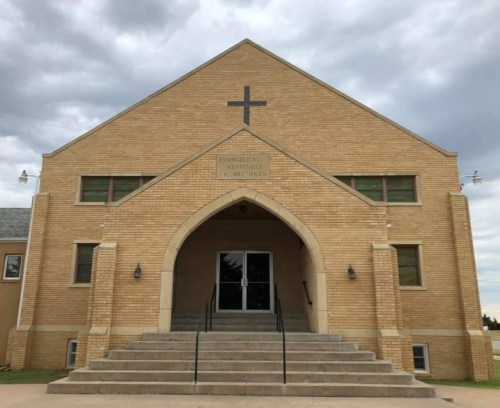
Countryside Bible Church
(Used to be the Evangelical Mennonite Brethren Church.
Kinda hard to change your name when it’s “set in stone””!)

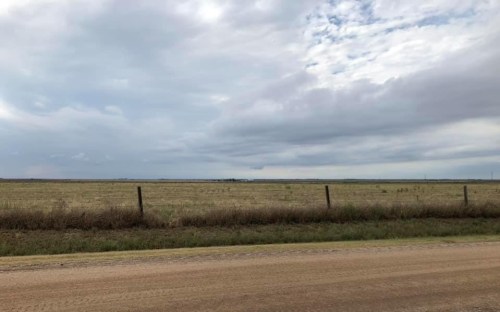
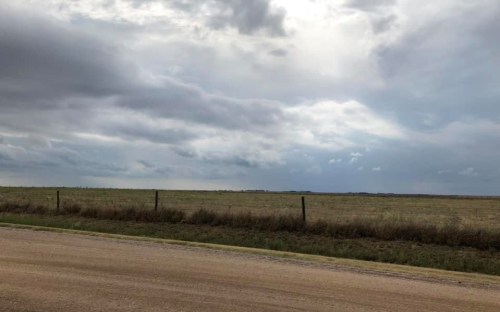
I flew in on Friday afternoon and got some quality chat time with Pastor Jonathan Dale and his charming wife, Nora, as we drove from the airport to Meade through the beautiful farmland that comprises much of the area.
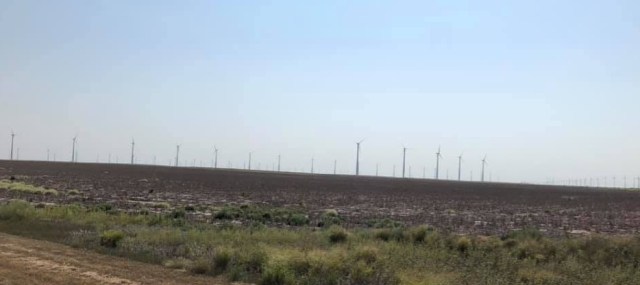
I thought Oklahoma’s “where the wind comes sweepin’ down the plain”
but I guess Kansas gets a good stiff breeze too, or they wouldn’t have all of these windmills!
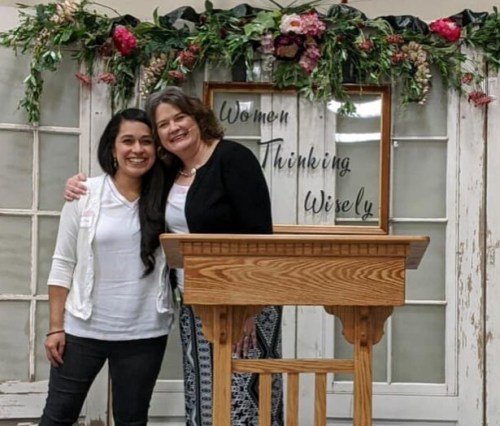
*Nora Dale and me.

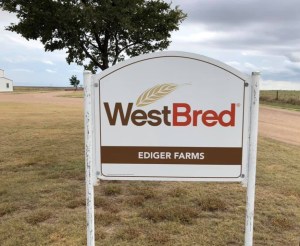
The Dales dropped me off at the warm and welcoming home of Roxanna and Darwin who hosted me for the weekend at their family owned and operated farm, Ediger Farms.
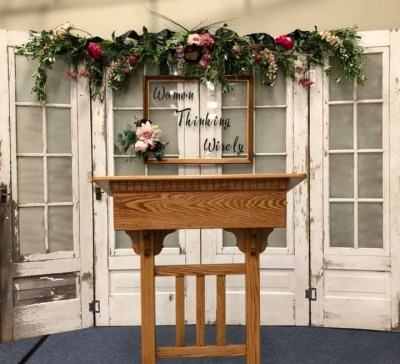
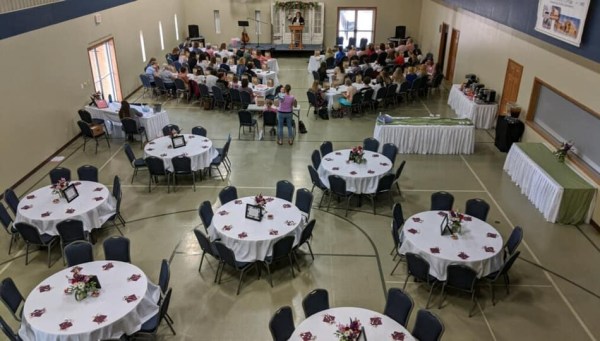
Saturday was the big day, and we headed over to the church for the conference. I do not have the gift of decorating, but somebody at Countryside sure does, because you would hardly have known the gym was a gym. The whole CBC family must have pitched in to make everything so pleasant and inviting, and they did a super job!
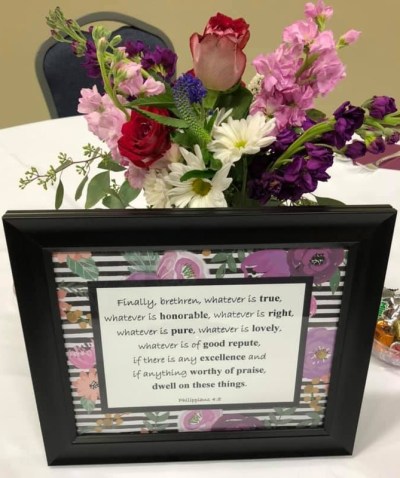
The centerpieces incorporated the theme verse for the weekend,
Philippians 4:8: Finally, brothers, whatever is true, whatever is honorable, whatever is just, whatever is pure, whatever is lovely, whatever is commendable, if there is any excellence, if there is anything worthy of praise, think about these things.*
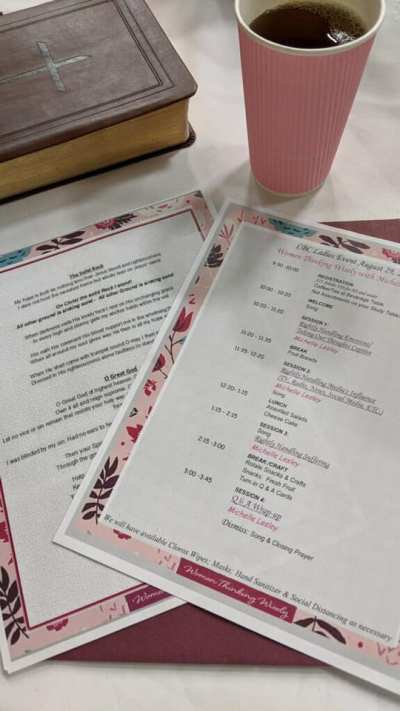
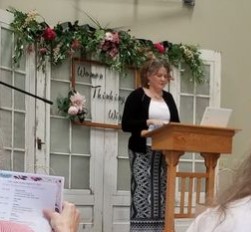
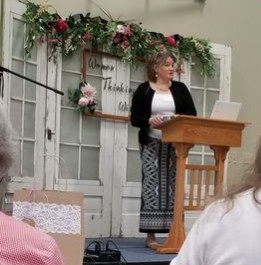
At last it was time to get down to business, and we began with worship and prayer. Usually, when I teach at a conference, I teach 2-4 sessions on various aspects of one topic, like biblical womanhood or discernment, but the ladies who planned this conference had me teach about thinking wisely in three very diverse arenas – emotionalism, the media, and suffering – which I found to be a refreshing challenge. (Click here for conference audio.)

Session 1 wasย Rightly Handling Our Emotions. We explored what it means to live life led by the objective Word of God rather than our subjective feelings and opinions.

*ย ย  ย * ย 

*

In our second session,ย Rightly Handling Media, we took a look at media and how it can be used as a tool for helping us grow in Christ or creating problems in our walk with Christ.
*

Next, it was time for lunch- a variety of salads, and one of my favorites, cheesecake. I would have taken a picture, but I was focused on snarfing it down!

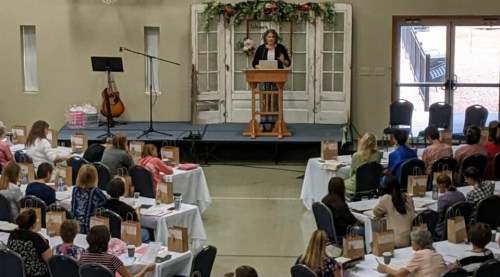
After lunch, we dealt withย Rightly Handling Suffering in session three. Jesus is our hero in suffering, our hope in suffering, and our way to handle suffering.
*

*

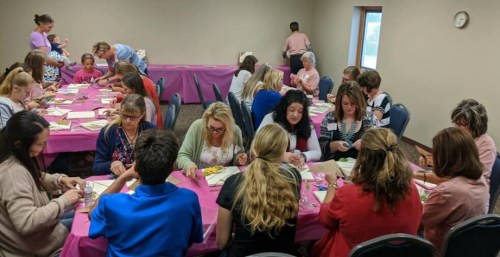
Craft time! The ladies got to take a (much needed, I’m sure) break and make these lovely mementos of the conference. Someone even made one for me since I was busily preparing for the last session. (Thank you, whoever you are!)

*

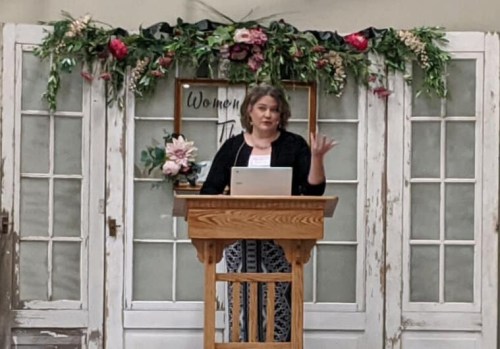
Following craft time was our last session of the day, Q&A, always my favorite session. The ladies asked some very smart questions that I had fun answering.

Awesome Q&A cards to fill out and turn in!
*

As the conference wrapped up, Nora presented me with a wonderful hostess gift. These cute dish towels will always remind me of my visit to the Sunflower State and the lovely ladies of CBC. And the candy was delicious!

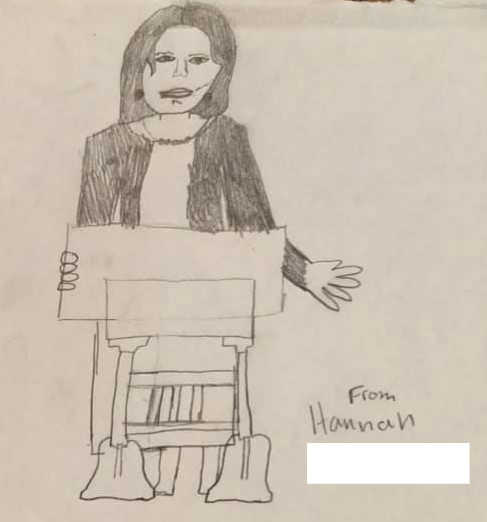
Before she went home, Hannah, a mighty talented young artist, presented me with this portrait. I am so impressed with the detail- she included my necklace, earrings, and the headset mic, and even captured my incessant gesticulating. Somebody’s got a career in the art world ahead of her when she grows up!
It’s never easy to say goodbye. I met so many precious brothers and sisters in Christ, and even a couple of furry friends!
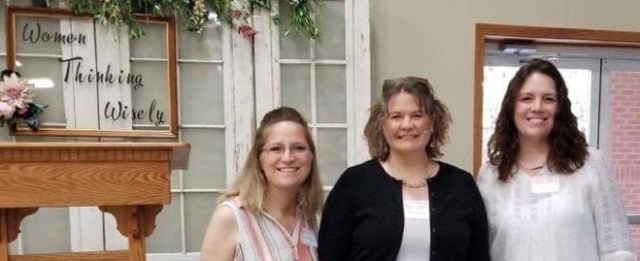
Great to meet you, Tami and Gina!**


Church kitties!
I’m not a cat person, but even I couldn’t resist these two cuties.

Before I knew it, I was headed back for the airport. Big thank you’s to Sara for driving me to and from the conference, to Travis and Tiff, who welcomed me into their home for supper on Saturday night and fed me well, and to Eric and Angela who heroically picked me up at 3:30 a.m. (yes, you read that right) so I could make my 6:00 a.m. flight, then drove all the way back home for church. (I hope Pastor Jonathan will forgive you if you nodded off during his sermon!)

I had an amazing trip to Kansas, and it was such an honor to teach the sweet ladies of Meade. Many thanks to all the folks at Countryside Bible Church for your sweet hospitality and for putting on such a wonderful conference. I highly recommend this warm and welcoming church to anyone in southwest Kansas who is looking for a doctrinally sound body of Believers to join.


If your church or organization is ever in need of a speaker for a womenโ€™s event, Iโ€™d love to come share with your ladies as well. Click hereย for more information.


Photo Credits

Photos marked by a single asterisk (*), courtesy of Roxanna Ediger

Photo marked by a double asterisk (**), unknown

All other photos by Michelle Lesley

Ezekiel Bible Study

Ezekiel ~ Lesson 11


Previous Lessons: 1, 2, 3, 4, 5, 6, 7, 8, 9, 10

Read Ezekiel 22-23

Questions to Consider

1. Review your notes from last week’s lesson and be reminded of the things that lead into, and set the stage for, this week’s passage.

2.ย  Read chapter 22.

Which city is “the bloody city”? (22:2) How did it earn this nickname? (22:3,4,6)

Make a list of every sin God charges people with in this chapter:

The People’s (Israel’s) Sin


The Princes’ Sin


The Prophets’ Sin


The Priests’ Sin


How does listing out these sins impact you? What impactย should it have had on each of these groups of people for their sins to be publicly enumerated and exposed? How did God say the surrounding nations would regard Israel? (22:4-5,16) What was God’s desired end result in publicly shaming these groups of people? Is shame always a bad thing? Has feeling guilty or ashamed over a sin ever led you to repent of that sin?

3. Explain the dross metaphor in 22:17-22. Why do you think God’s wrath is so often compared to fire in Scripture?

4. Compare the false prophets and sinning priests in 22:25-28 to false teachers and wayward pastors today. What are some similarities and/or differences you see? What about false teachers (for example, Paula White) who advise governmental leaders (22:28)?

5. Take a moment and let 22:30 really sink in. When God searched for a righteous man to stand in the breach in Genesis 6, how many did He find? In Genesis 18-19? Read 2 Chronicles 16:9a. Contemplate the weight of Israel’s sin and the level of depravity they had sunk to as you consider that they wereย God’s covenant people – not pagans, as in the stories of Noah and Lotย  –ย  and God could not find a single righteous person in their midst.

6. Read chapter 23. (Brace yourself, this chapter is not for the faint of heart. If you are doing this study with a younger child, you may want to read the chapter first and consider how you will address the adult themes it contains.)

Were Oholah and Oholibah real people, or is this story a parable/metaphor? (23:4b) What do each of the “sisters” represent? (23:4b)

Explain “Oholah’s” sin in your own words. (23:5-10)

Explain “Oholibah’s” sin in your own words. (23:11-21). How did Oholibah’s sin compare to Oholah’s sin? (23:11)

Why does God use such gross and explicit (yet, non-sinful) language to describe Samaria’s and Jerusalem’s sin? (23:5-21, 36-45) What does this teach us about how God views sin, and thus, how we should view sin? What was God’s response to their sin? (23:18) Consider the amount of sin Jesus bore in His body on the tree – far more than just the sins of chapter 23. How does God’s response to sin in 23:18 help you better understand Mark 15:34? Have you ever been as disgusted by your own sin as you were when you read the depiction of sin in chapter 23? Why or why not?

7. Describe the consequences 23:22-35, 46-49 spells out for Jerusalem and Samaria. Compare these consequences to the depiction of Jerusalem’s sin earlier in the chapter. Is God being unfair or punishing Jerusalem too harshly? What do these consequences tell us about how seriously God takes sin? Does God take your sin just as seriously as He took Jerusalem’s sin? Why or why not? If God was willing to execute judgment this extreme against sin on earth, what does that tell you about the judgment He will exercise against unbelievers in eternity? What does it tell you about the mercy and grace of God that Christ absorbed this extreme wrath and judgment against your sin in your place? Think about how you might convey these ideas to someone you’re sharing the gospel with.

8. Why does God consider idolatry to be spiritual adultery? (23:37) Have you ever considered your own sins of idolatry as spiritual adultery?

9. How should these horrific descriptions of sin, wrath, and judgment lead Christians to worship God andย  be thankful to Him?


Homework

โ€ข Add 22:16, 22 and 23:49 to your โ€œAnd you/they shall know that I am the Lordโ€ list. Write down whoย will know that He is the Lord,ย whatย will cause them to know He is the Lord, andย whyย God wants them to know He is the Lord.

โ€ข Read my article Guilt and Shame- Burden or Blessing?, and consider any biblically appropriate or biblically inappropriate guilt and shame you may be experiencing, and what your godly response should be.

โ€ข Note how many times in these chapters that God talks about the sin of “disregarding” His Sabbaths. Compare this to Hebrews 10:24-25. Which principles (if any) regarding God’s wrath toward those disregarding His Sabbaths, apply to New Testament Christians forsaking the gathering of the church body?


Suggested Memory Verse

Ezekiel Bible Study

Ezekiel ~ Lesson 10


Previous Lessons: 1, 2, 3, 4, 5, 6, 7, 8, 9

Read Ezekiel 20-21

Questions to Consider

1. Review your notes from last week’s lesson and be reminded of the things that lead into, and set the stage for, this week’s passage.

2. Read 20:1-44. Outline the main “bullet points” of what is happening in this passage:

20:1-

20:2-3-

20:4-29

20:30-44

3. In 20:5-29, God takes the elders of Israel who have come to inquire of Him via Ezekiel (20:1) on a “stroll down memory lane”. Summarize each of the historical events God reminds them of:

20:5-10-

20:11-17-

20:18-26

20:27-29

Do you notice a pattern, or cycle, to the interactions between God and His people?

God does _______.

Israel does _______.

God’s anger is kindled.

God does _______.

How does this pattern fit each of the events above?

Do you notice any recurring actions or reactions/responses on the part of God or Israel in these passages? Explain.

What are the three main sins of Israel that God highlights in these passages? (20:16) Why does Israel commit the same sins over and over again? Do you find yourself committing the same sins again and again? Why?

In 20:8-9, 13b-14, and 21b-22, what is God’s initial posture toward Israel’s sin? But then what does He actually do? Why? Was God showing mercy to Israel because they “deserved” it? What does it mean that God acted the way He did “for the sake of His name”? What kind of reputation did God want to have in the eyes of the pagan nations surrounding Israel? Why?

One of the heretical teachings of the New Apostolic Reformation is that God is hamstrung by our actions. Like, if we have all of our spiritual ducks in a row, God is obligated to do what we want Him to do, as though He had no choice in the matter. Explain how the inverse in this passage (Israel sins, so God isย obligated to punish them, but, instead, shows them mercy for His name’s sake) disproves this idea. Aside from God’s promises, do our actions absolutely determine God’s actions in a given situation? Why not?

4. In 20:30-44, God turns from His recitation of history to presently addressing the elders of Israel who have come to inquire of Him. Explain why He says they may not inquire of Him. (20:30-31) Compare 20:30-44 with 20:4-29. What is the point of comparison God is trying to drive home to these elders? (20:36) How does this fit with the cliche “Those who will not learn from history are doomed to repeat it.”? In what ways have you learned from your past experiences with sin so that you will not repeat those sins?

5. Read 20:45-21:7

To what does God tell Ezekiel to prophesy in 20:46 and 21:2? Why would God tell him to prophesy against geographical locations instead of people? What does He mean by doing so?

Meditate on 21:6-7 for a moment- how should Ezekiel’s response inform the way we regard those who are lost and facing God’s judgment in Hell? How could this kind of regard for the lost impact our evangelism?

6. Read 21:8-32

Consider God’s “father-child” relationship with Israel. What does it mean that Israel has “despised the rod” (21:10b, 13)? Since they despised the rod, they will receive the ________. What does the sword (21:9-17) represent?

Whose “sword” will God use to exercise His wrath against Israel? (21:18) Who else is God using their sword against? (21:20). When God tells Ezekiel to “mark a way” and “make a signpost” for the sword (21:19-20), what does that tell you about His attitude regarding the Babylonians laying siege to Israel and the Ammonites? What will be the outcome for Israel? (21:24-27) For the Ammonites? (21:28-32)

7. Compare God’s discipline of Israel in these two chapters with God’s discipline of Christians. What are some similarities and/or differences you see? What do these chapters teach us about sin, God’s discipline of His children, His wrath against sin, and His desire that His sinning children be reconciled to Him?


Homework

โ€ข Add 20:12, 20, 26, 38, 42, 44, 21:5, 16, 22 to your โ€œAnd you/they shall know that I am the Lordโ€ list. Write down whoย will know that He is the Lord,ย whatย will cause them to know He is the Lord, andย whyย God wants them to know He is the Lord.

โ€ข Ezekiel 21:32 says of the Ammonites: “You shall be no more remembered, for I the Lord have spoken.” In some instances, God has said this kind of thing about a certain people group or nation, and, to this day, no historical or archaeological evidence of their existence can be found outside of Scripture. Do a little research. Has any historical or archaeological evidence been found for the Ammonites?


Suggested Memory Verse

Favorite Finds

Favorite Finds: August 25, 2020


Here are a few of my favorite online findsโ€ฆ


“As โ€œtrueโ€ Christian women, we consecrate ourselves to fulfill his calling and purposes for our lives. By his grace and in humble dependence on his power,”ย we can pursue that which is pleasing to the Lord in these 15 Ways to Honor Christ as Women by Susan Hunt.

 

“At first blush, these two texts seem to settle the matter in favor of the complementarian position. After all, this is the sense adopted in the vast majority of English translations. How could they all be wrong? Clearly Paul does not intend for women to be teaching/preaching within the church, right?” An excellent apologetic on this aspect of complementarianism inย Why it is important not to conflate prophecy and teaching in discussions about women preachingย  by Denny Burk.


“Godโ€™s design of the worship of his Church transcends pandemics and culture. This season shall pass and local churches will once again assemble together, embrace one another in Christian love, and celebrate the body and blood of King Jesus through the Lordโ€™s Supper as we long for him to return and make all things new.”ย Some insightful observations and exhortations inย  Josh Buice’s thought-provoking article There Is No Such Thing as Virtual Lordโ€™s Supper.

 

“Abuse does not call for the abandonment of Godโ€™s good design, but the restoration of it through the power of the Gospel. The answer for every form of abuse is the Gospel of Jesus Christ.”ย Tom Buck handily addresses the issue of abuse eroding biblical headship and submission in this article for Founders Ministries: Complementarianism is Not the Problem.


Four pianists, eight hymns (do you recognize all of them?): enjoy!


The resources listed above are not to be understood as a blanket endorsement for the websites on which they appear, or of everything the author or subject of the resource says or does. I do not endorse any person, website, or resource that conflicts with Scripture or the theology outlined in the Statement of Faith and Welcome tabs at the top of this page.
Mailbag

The Mailbag: Church Roles and Ambiguous Anatomy


Iโ€™m curious to know if someone who is medically intersex should be considered a man or a woman for the purposes of appropriate church roles. Iโ€™m not sure if the Bible addresses that or not.ย 

According to the National Institutes of Health, “Intersex is a group of conditions where there is a discrepancy between the external genitals and the internal genitals (the testes and ovaries). The older term for this condition is hermaphroditism.” In other words, a person could have XX chromosomes (genetically female) and ovaries, yet the external genitalia appears male (i.e. penis instead of vagina), or vice versa for a genetic (XY) male. There are also some other genetic anomalies that result in intersex, and a wide variety of genital anomalies not related to sexual identity that fall under the category of “intersex”.

(And just so we’re all on the same page here, “medically intersex” refers to a congenital abnormality– a birth defect. It does not mean, nor does the reader who sent in this question mean, a physically/genetically normal man or woman who has decided to mutilate his/her body with surgery to appear to be the opposite sex. That’s different. Also, the reader who sent in the question is not asking whether or not a medically intersex person may be saved or may be a church member. She is only asking how the biblical roles for men and women in the church {i.e. preaching/teaching/leadership roles} apply to a medically intersex person, so that is the question I’m answering.)

But because “intersex” has become something of a catch-all term for a so many genetic defects related to chromosomal abnormalities and/or internal reproductive organ abnormalities and/or external genital abnormalities, it’s nearly impossible to answer a question like, “How common is medical intersex?”. But even the (now defunct) Intersex Society of North America (an advocacy group, which we can probably safely surmise would be fairly liberal/over-generalized in its statistics) estimates that only .05-.07% (half of 1%) of babies at birth have genitalia so ambiguous that they require a consult by a sex specialist, and far fewer end up needing surgery to correct these anomalies.

Now, keep in mind that, as I said, that .05-.07% is the total estimate for a wide variety of reproductive and genital anomalies, many of which do not affect sexual identity. So the number of people who are genetically female with male genitals or genetically male with female genitals (what the reader who sent in this question is referring to) is only a fraction of that .05-.07%. In other words, it’s an extremely rare condition.

So, take that very tiny number of people and add on the qualifiers for this reader’s question. The medically intersex person has to get through the narrow gate of salvation (because unsaved people don’t have “church roles,” as they’re not part of the church, and, naturally, shouldn’t be serving or leading in the church in any way whatsoever). Now your numbers have gone from tiny to tinier. Now, whittle those numbers down even further: the person not only has to be saved, but has to have a doctrinally sound understanding of the roles of men and women in the church, the person has to desire a position of leadership or servanthood in which the biblical role of men/women is an issue (for most positions in the church, it generally isn’t), the person has to be otherwise biblically qualified to serve in that role (e.g. above reproach, sober-minded, etc.), and the person has to find and become a member of a doctrinally sound church that actually follows the Bible’s teachings on the roles of men and women in the church.

Now your numbers have gone from “tinier” to, “Get me the strongest electron microscope in existence.” Statistically speaking, this is never going to be an issue in any doctrinally sound church.

But it’s interesting to think about.

There isn’t a Bible passage that describes medical intersex and whether or not a person so afflicted may or may not serve in the role of pastor, elder, deacon, preaching to/teaching Scripture to men, holding authority over men, or older women teaching the younger women (the church roles assigned to either only males or only females).

The closest the Bible comes to addressing this issue is in Leviticus 21:16-23, which says that a man with crushed testicles may not serve as a priest in the temple. However, this passage does not apply to the question at hand for a couple of reasons, which are abundantly clear if you read the passage in context.

First of all, “crushed testicles” is only one condition in a litany of other physical abnormalities which disqualified a man (only men could serve as priests) from the priesthood. And the reason for this had nothing to do with sexual identity. The reason men with physical “blemishes” couldn’t be priests was basically the same reason that when you brought an animal for sacrifice, it had to be perfect, free of any physical defect: It symbolically pointed ahead to the perfection of Christ. Christ was not only the unblemished Lamb of God, our perfect sacrifice, He is also our perfect high priest. That’s why both the Old Testament sacrifice and priest had to be “without blemish”.

Second, although there are some similarities between the Old Testament temple and the New Testament church, they are two distinctly different entities with different qualifications for leadership. This is easy to see if you compare some of the requirements for the Old Testament priesthood with the requirements for pastors of New Testament churches. Other than the fact that the pastorate is restricted to men, there are no physical requirements for pastors. Certainly we would not say that a man who is blind or has psoriasis is disqualified from being a pastor strictly on the basis of those conditions, would we? Yet these men (and others with all types of physical “blemishes,” including crushed testicles) were disqualified from the priesthood.

So, having no direct biblical passages to go on, here are a few thoughts…

  • Such a unique situation that isn’t directly addressed by Scripture will need to dealt with on a case by case basis by the pastor, elders, and church leadership.
  • The medically intersex person who meets all of the qualifiers I outlined above should set up an appointment with his/her pastor, explain the medical condition, explain whether he/she has been living as a man or a woman, and why, and get pastoral counsel on which positions of service or leadership would be appropriate.
  • I would think it would be helpful for the medically intersex person’s current pastor to contact his/her former pastor for insight on how the situation was handled at his/her previous church. The current pastor might end up making different decisions than the previous pastor, but getting the benefit of the previous pastor’s experience would seem to me to be beneficial.
  • The medically intersex person seeking to serve the church has probably already established an identity (dressing, behaving, considers him/herself as, presenting as) as a man or a woman in his/her daily life. Taking that into consideration and weighing all of the other factors and details, church leadership may prayerfully consider it appropriate to let this person function in the church as the sex he/she identifies as. In other words, if the person has established an identity as a woman (she considers herself a woman, dresses/acts like a woman, her family, friends, and others consider her to be a woman, etc.), it could be an appropriate decision to allow her to function as a woman in the church, following the Bible’s role for women in the church.
  • Another appropriate decision the church leadership might make would be to err on the side of caution and help the medically intersex person find a place of service that is not impacted by the Bible’s parameters for men and women in the church. Here and here are a couple of good jumping off points.

If the medically intersex person and his/her church leadership prayerfully come together seeking wisdom from the Lord, and trying to discern what is pleasing to the Lord, there is one biblical certainty about this situation: they can trust Him to direct their path.


If you have a question about: a Bible passage, an aspect of theology, a current issue in Christianity, or how to biblically handle a family, life, or church situation, comment below (Iโ€™ll hold all questions in queue {unpublished} for a future edition of The Mailbag) or send me an e-mail or private message. If your question is chosen for publication, your anonymity will be protected.