Speaking Engagements

Women Thinking Wisely Conference Audio

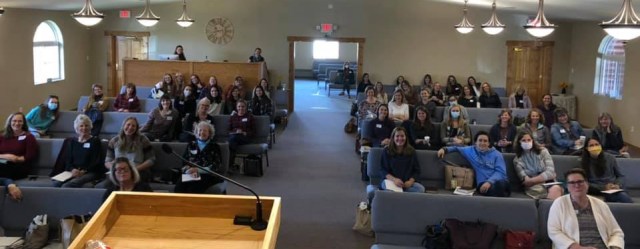
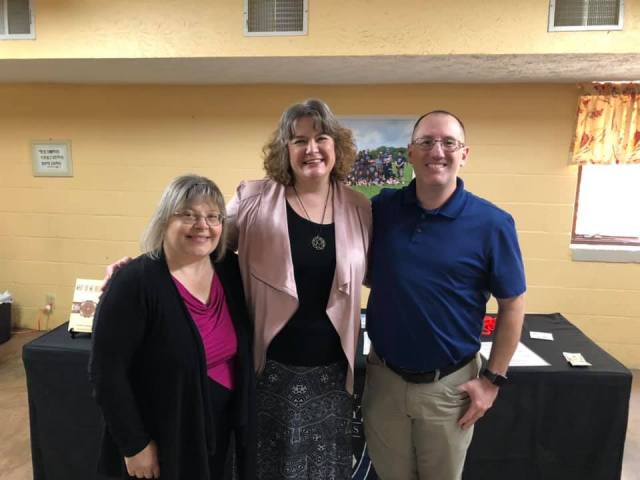
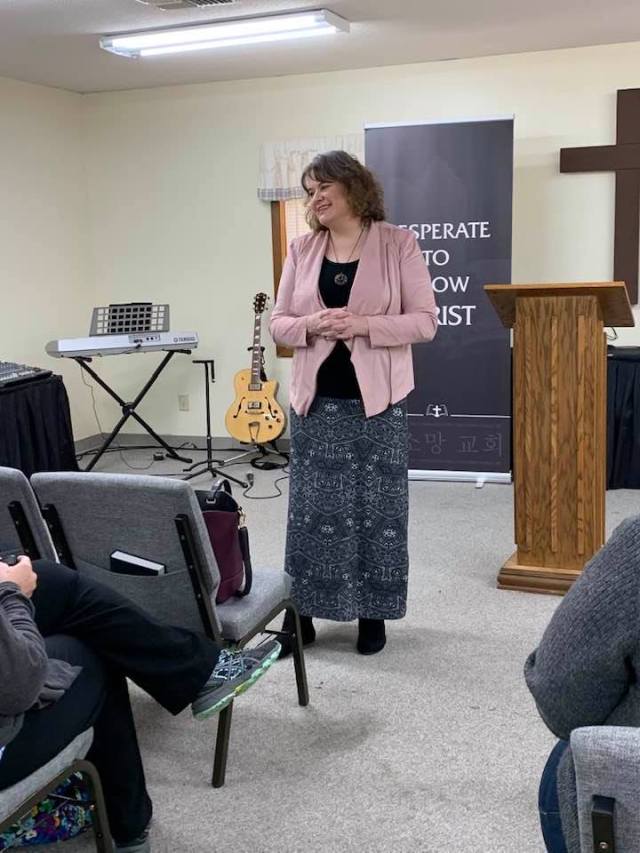
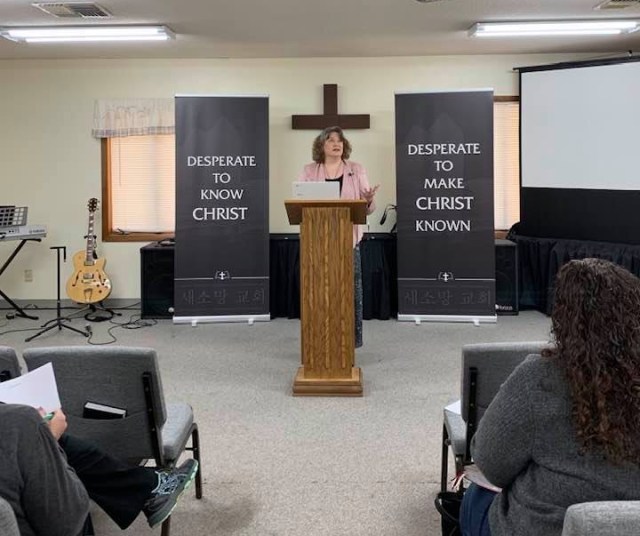
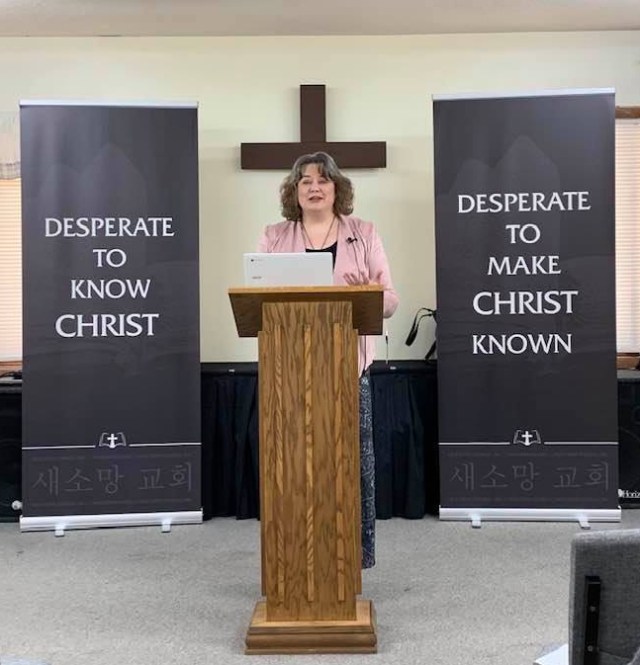
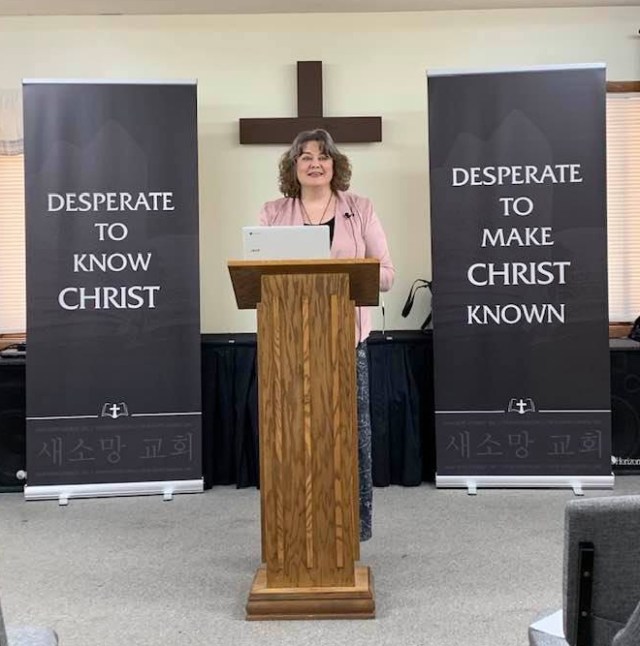
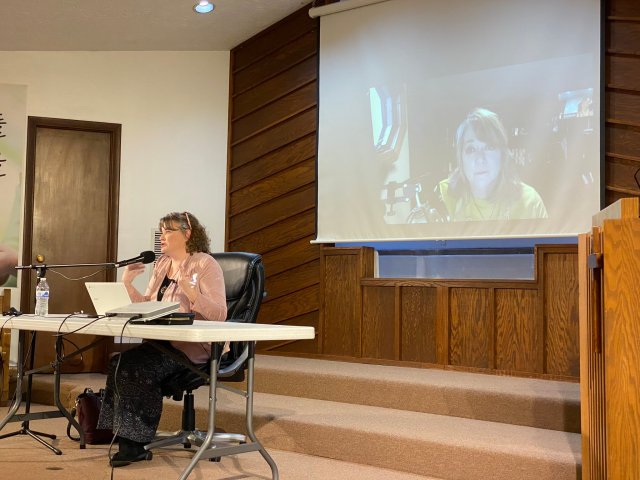
It was my joy, recently, to speak at the Women Thinking Wisely conference atย Countryside Bible Churchย inย Meade, Kansas.

CBC was so kind to record audio of the four main sessions of the conference. I hope you’ll enjoy them.

Women Thinking Wisely, Session 1:
Rightly Handling Emotions

Women Thinking Wisely, Session 2:
Rightly Handling Media’s Influence

Women Thinking Wisely, Session 3:
Rightly Handling Suffering

Women Thinking Wisely, Session 4:
Q&A

If your church is ever in need of a speaker for a womenโ€™s event, Iโ€™d love to come share with your ladies as well. Click here for more information.

Mailbag

The Mailbag: Top 10 FAQs

I get lots of great questions, and sometimes, they’re the same questions from lots of different people. So I thought today it would be fun, instead of answering just one person’s question, to answer lots of people’s questions. Here are the top 10 Mailbag questions readers most frequently ask:

1.

โ€œDo you know anything about [Christian pastor/teacher/author] or his/her materials? Is s/he doctrinally sound?โ€

The best way to find out if I’ve written anything on a particular teacher is to put her name (make sure you spell it correctly) into the search bar, which is located at the bottom of every page of the blog. You can also check the Popular False Teachers & Unbiblical Trends tab and the Recommended Bible Teachers tab (in the blue menu bar at the top of this page) to see if the teacher’s name is located there.

If you need answers on a certain teacher right away, and I haven’t written anything about her, you will need to do the research yourself, which is a skill every Christian needs to hone anyway. (You should never just take my, or anybody else’s, word for it that a particular teacher is or isn’t trustworthy.) In case you need a little help getting started, I’ve described how I do my research, complete with some quick litmus tests and shortcuts in my article Is She a False Teacher? 7 Steps to Figuring It Out on Your Own

If I haven’t written an article about a teacher you see as problematic who’s reaching a wide audience, you’re welcome to send me her name along with any links you may have to her unbiblical teaching or behavior. If I get enough questions about a particular teacher, Iโ€™ll probably write an article on her.

2.

โ€œCan you recommend a good
womenโ€™s/children’s/teens/particular topic Bible study?โ€

No. On principle, I do not recommend what I call “canned” (book, workbook, DVD, etc.) Bible studies- not even doctrinally sound ones. The church has become so utterly dependent on books and materials written by others that the majority of evangelicals have no idea how to simply pick up the Bible and study or teach straight from the text of Scripture. I may be the only one to stand against that tide, but I’m standing against it. We need to, as a general practice, cut out the middleman and get back to learning and teaching straight from the Bible itself.

If studying or teaching directly from Scripture is new to you, I would encourage you to check out the Bible Studies tab in the blue menu bar at the top of this page, which explains more about my philosophy of Bible study and provides numerous resources to help you learn how to study or teach the Bible itself.

One of the resources you’ll find is all of the Bible studies I’ve written. They are all free, all suitable for individual and group use, and you are welcome to print out as many copies as you need. My studies are learn-by-doing “training wheels” that teach you: how to study/teach the Bible in a systematic way, the kinds of things you should be noticing in the text, the kinds of questions you should be asking of the text, and how the various parts of the Bible fit together to tell God’s grand story of redemption through Christ. Work through a study or two. Once you get the hang of it, you’ll be ready to unbolt those training wheels and study or teach on your own without needing to rely on anyone else’s materials any more – including mine.

Here are a few additional resources:

The Mailbag: Can you recommend a good Bible study for women/teens/kids?

The Mailbag: โ€œWe need to stop relying on canned studies,โ€ doesnโ€™t mean, โ€œWe need to rely on doctrinally sound canned studies.โ€

McBible Study and the Famine of God’s Word

3.

โ€œYou shouldnโ€™t be warning against [popular false teacher]
for [X,Y,Z] reason!โ€

Sorry, but that’s not what the Bible says. The question isn’t, “Why am I warning against them?”. The question is, “Why aren’t you?”

Answering the Opposition- Responses to the Most Frequently Raised Discernment Objections

4.

I’m trying to find a doctrinally sound church. Can you help me?

It is my delight to help my brothers and sisters find a solid church. Please check out the Searching for a new church? tab in the blue menu bar at the top of this page.

If you’re newly saved and/or coming out of the New Apostolic Reformation, prosperity gospel, New Age, Catholicism, Mormonism, etc., I would strongly recommend reading through all of the resources in the “What to look for in a church” section of that tab before beginning your search for an actual church. You need to know what makes a church doctrinally sound (or not), and those resources can help.

Notice that there are multiple church search engines at the top of that tab. If you don’t find something in your area at the first search engine, go to the next one, and keep going until you’ve exhausted all of them.

Keep in mind that doctrinally sound churches are becoming scarcer and scarcer. You may have to drive longer than you’d like to get to one. It may not meet all your preferences. You might have to try a different denomination than you’re used to. The most doctrinally sound church you can find within achievable driving distance may have a few biblical “warts” (for example: a generally solid preaching/teaching church but the women’s ministry uses materials by false teachers). It is possible that God may put you in that less than perfect church to sanctify you, or for you to help bring about biblical change.
Sometimes people e-mail me asking if I can help them find a church. Your best bet is really to use all of the resources at the “Searching for a new church” tab. I want to reassure you that, unlike Walmart, I don’t have any churches in the back store room that haven’t been stocked yet. With the exception of a handful of churches my readers have recommended that I haven’t had a chance to vet yet, everything I have is out on the shelves at that tab. :0) (I would also encourage everyone reading this – if you attend a doctrinally sound church, click the link above and see if your church is listed on at least one of the three most popular church search engines: Founders, G3, and/or Master’s Seminary church search engines. If not, talk to your pastor about submitting your church’s information to one or more of these so people can find you! You are also welcome to submit your church for inclusion on my Reader Recommended Churches list, but that list doesn’t reach nearly as many people as the aforementioned other three do.)

If you’ve made a good faith effort at the “Searching…” tab and have exhausted all of the resources there, and you still can’t find a passable church within achievable driving distance, you have two options (one of which is not giving up on church and staying home): move to an area that has a solid, established church, or look into church planting.

If you’re considering moving for a church, do everything in your power to make sure that church is solid and is going to stay that way. Find out about their history. Watch their worship services online regularly for a few months. Set up a Zoom call with the pastor or elders, explain your situation, and “interview them”. Don’t be shy to ask any, and as many questions as you need to. You’re picking up your entire life and moving based on what they say. Churches are apostatizing at an alarming rate. The last thing you want to do is move somewhere for a church you thought was sound, only to have it take a turn toward sin or false doctrine six months after you get there.

Personally, I think church planting is the preferable option for at least two reasons. First, you don’t have to go through the hassle, logistics (“Will I be able to find a job in this new place?”), and emotional upheaval of leaving family and friends behind that comes with moving. Second, if you’re in an area where you can’t find a good church, neither can any of your neighbors. You could be the person God uses to bring a solid church to an area without a gospel witness. How amazing would that be? Pick up the phone or fire up your email and start contacting the church planting organizations listed. Explain your dilemma. Ask for their help. If none of the church planting organizations can help, contact the nearest doctrinally sound church, explain things to the pastor, and ask about his church planting a church in your area.

5.

(I’m combining two questions here because the answers to both, and the resources for both, are similar and overlap.)

The leadership at my church is kicking off a new Bible study using materials by a false teacher. What should I do?
It breaks my heart that this is, indeed, a frequently asked question. Please see my article The Mailbag: How should I approach my church leaders about a false teacher theyโ€™re introducing?.

My friend is following a false teacher. How can I help her see this? 

Here are some resources that can help:

Words with Friends: How to contend with loved ones – at A Word Fitly Spoken (many additional resources linked here)

Words With Friends by Amy Spreeman

Clinging to the Golden Calf: 7 Godly Responses When Someone Says Youโ€™re Following a False Teacher 

6.

My church uses …
or
I’m looking for a new church,
and I found one that’s really sound, except they use…
Bethel / Jesus Culture / Hillsong / Elevation music
or other music from heretical sources.
What should I do?

Please see my article The Mailbag: How should I approach my church leaders about a false teacher theyโ€™re introducing?. You can find information about Bethel, et al at the Popular False Teachers & Unbiblical Trends tab in the blue menu bar at the top of this page. Some other resources that may be helpful:

Why Your Church Should Stop Playing Bethel, Hillsong, Elevation and Jesus Culture

The Mailbag: False Doctrine in Contemporary Christian Music

7.

Whaddaya mean women can’t preach to men? Of course they can!

Again, sorry, but that’s not what the Bible says. I would strongly encourage you to read all of the articles in my Rock Your Role series, which examines the Scriptures dealing with the role of women in the church. (Remember, for Christians, God’s Word is our authority, not our feelings, opinions, and preferences.) I would suggest starting with these:
Jill in the Pulpit

Oh No She Di-int! Priscilla Didnโ€™t Preach, Deborah Didnโ€™t Dominate, and Esther Wasnโ€™t an Egalitarian

Rock Your Role FAQs

The Mailbag: Counter Arguments to Egalitarianism

8.

Why isn’t Teacher X listed at your Popular False Teachers tab?
Does the fact that she’s not listed mean she’s doctrinally sound?
Why isn’t Teacher Y listed at your Recommended Bible Teachers tab? Does the fact that she’s not listed mean she’s a false teacher?

Please understand that these are not comprehensive lists of every false teacher or doctrinally sound teacher in existence. There are thousands of both, so that would be impossible. Also, don’t jump to conclusions about any teacher who’s not on the list. The absence of a particular teacher’s name on either list says nothing definitive about whether or not I would recommend that teacher.

The articles I’ve written about false teachers have mainly been in response to readers inquiring about them. In other words, if you donโ€™t see a particular teacher’s name on the list, itโ€™s probably because I havenโ€™t been asked about her, I’ve been asked about her but havenโ€™t had time to get to it yet, or for one of the reasons below.

The teachers on the recommended teachers list are those I’ve personally listened to or read at enough length that I feel comfortable endorsing them. Most of the teachers on the list trend toward being Calvinistic/Reformed and cessationist because I believe this is the most biblically correct view of Scripture, and because, in my experience, those of these persuasions are generally more discerning about associating with false teachers, and more expository in their teaching. (Of course there are some non-Calvinist/Reformed pastors and teachers who are stellar in these areas. I’ve had the privilege of knowing a few personally.)

There are a few other reasons you might not see someone’s name on either the false teachers or the recommended teachers lists:

โ€ข My articles on false teachers are nearly always about teachers: who are well known (thus the “Popular” in “Popular False Teachers”), who women in my particular audience – average American evangelical women – are most likely to follow, and whose materials are being used in those average American evangelical women’s churches. It takes multiple hours of research to vet teachers, and I have to invest those hours into the teachers who are deceiving the greatest numbers women in my audience.

โ€ข I don’t tend to write articles on teachers who are so blatantly heretical and/or are so well known for being heretical that it should be obvious (unless I feel there’s some compelling reason to do so). This is why you won’t see, for example, Kenneth Copeland, Benny Hinn, or Nadia Bolz-Weber on the false teachers list. Kenneth and Benny are fairly well known for being prosperity gospel heretics, and a 30 second Google search should make it obvious to most Christians who aren’t already familiar with her that Nadia is a liberal heretic. And, again, your average American evangelical woman isn’t following people like this, and her church isn’t using their materials.

โ€ข Normally, I don’t write about contemporary teachers who are dead, especially if they’re not particularly popular with my demographic. This is why you don’t see names like Mother Teresa or David Wilkerson on the list.

9.

I have a dire and complicated family/marriage/church situation,
can you help me?
Can you mentor/disciple me?

I deeply wish I could answer “yes” to all of these inquiries. I’m a helper. I want to help people. But I also know that in most of these situations, I’m not the right person for the job. So my answer to these inquiries has to be “no”. I cannot engage in counseling or discipling/mentoring relationships via e-mail.

The first reason for this is that my primary duty before the Lord is to care for my husband, children, and grandchildren, to manage my household, and to be a faithful church member. That takes a lot of time and energy. And if you’ve ever read my e-mail policy, you know I don’t even have time to answer most of the e-mails I receive, let alone the time that’s required to properly disciple, mentor, or counsel someone through a difficult circumstance.

But the second reason I’m not the right person for the job is that all of these are the job of the local church. It’s not right for me to get between you and your pastor when you need counsel or between you and an older sister at your church when you need to be discipled. You need someone who can walk with you, face to face, for the long haul, through these situations. Relying on me would be cheating yourself out of connecting with the person at your church who could be there for you the best and help you the most.

And, finally, especially in dire counseling situations such as abuse, extreme marital problems, or complex issues at church, I’m not familiar with the laws and resources in your area, I’m only hearing your side of the story, I’m not getting all of the details, etc. Your pastor or an older sister at church is there. They can better help you navigate the intricacies of the situation and provide you with more effective solutions than I can.

10.

I’d love to come hear you speak in person. When will you be speaking in my area?

As soon as someone sets up an event and invites me! I am delighted to speak anywhere I’m invited and that can host me.

The best way to be sure you’ll be able to make it to one of my conferences or events is to set one up at your church (or in conjunction with another local church(es)) or parachurch organization. I know that probably sounds daunting, but I’ve spoken at lots of small churches with limited resources, and it might not be as difficult as you think! I’ve also provided lots of helpful hints and resources at my Speaking Engagements tab (in the blue menu bar at the top of this page) so you don’t have to break the bank or re-invent the wheel.

The second best way to keep up to date on whether or not I’ll be speaking in your area is twofold:

  1. Go to my Speaking Engagements tab and scroll all the way to the end of the page where it says “202- Calendar”. I list all of my upcoming speaking engagements there, along with where they’re located and registration information.
  2. Subscribe to my blog via email. From time to time, I’ll create an article listing all of my upcoming events, their dates, locations, and registration information.

Hope to see you soon at an event near you!


If you have a question about: a Bible passage, an aspect of theology, a current issue in Christianity, or how to biblically handle a family, life, or church situation, comment below (Iโ€™ll hold all questions in queue {unpublished} for a future edition of The Mailbag) or send me an e-mail or private message. If your question is chosen for publication, your anonymity will be protected.

Speaking Engagements

Report Back: Women Thinking Wisely Conference

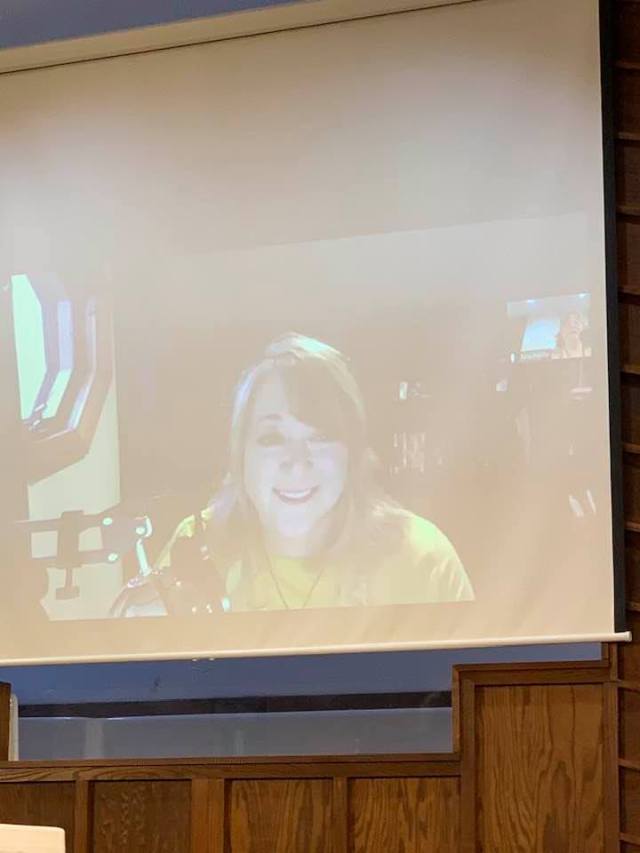
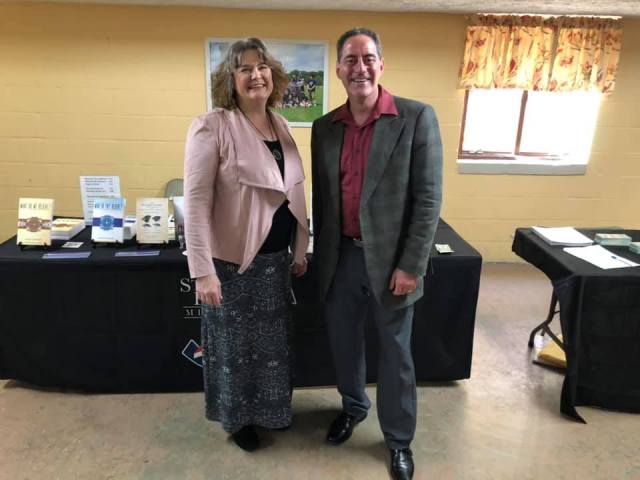
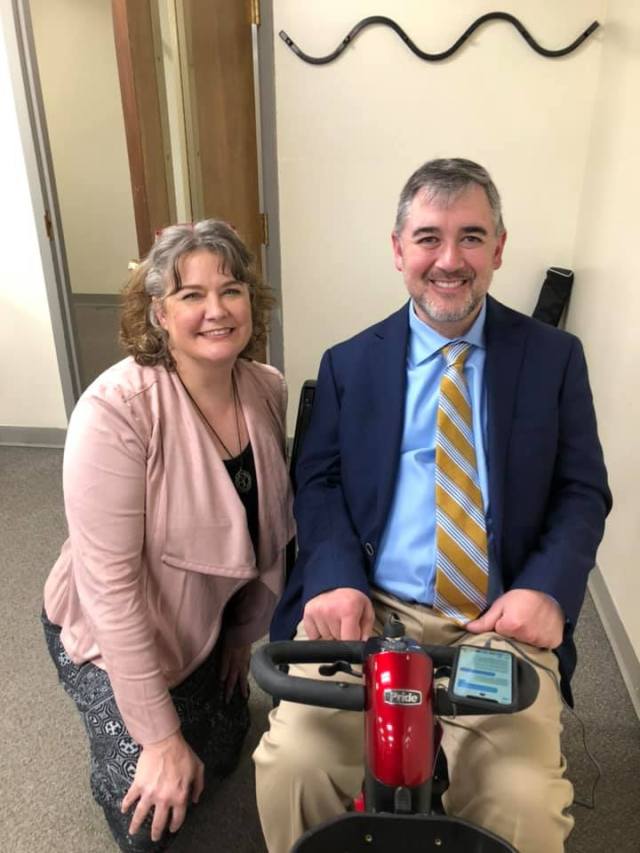
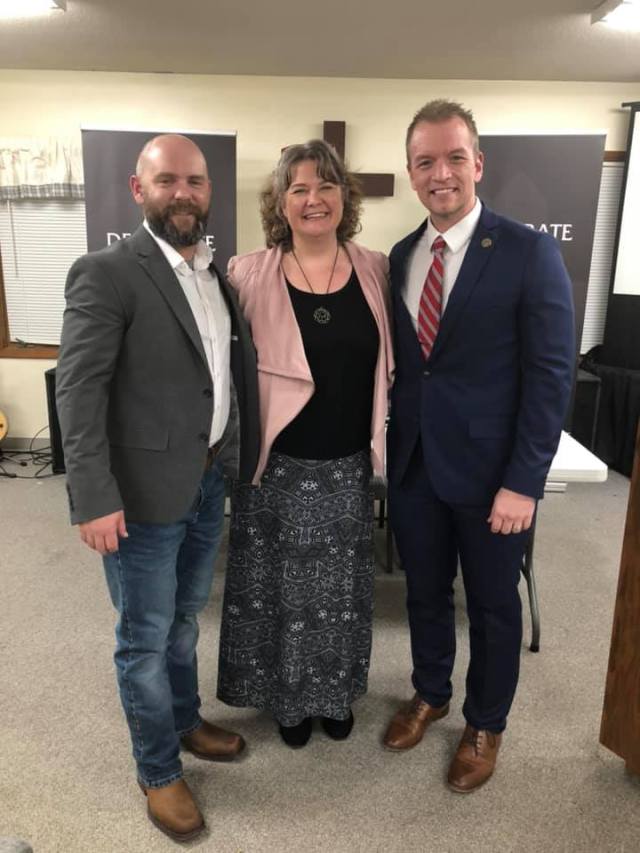
I had such a lovely time serving the ladies of Meade, Kansas, last weekend at Countryside Bible Church’s Women Thinking Wisely women’s conference.

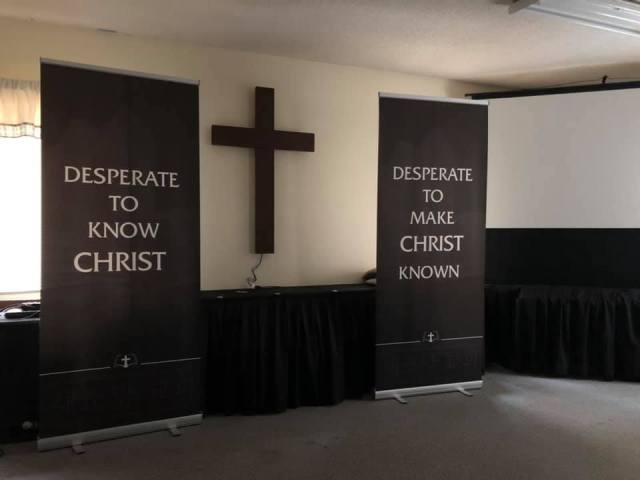
Countryside Bible Church
(Used to be the Evangelical Mennonite Brethren Church.
Kinda hard to change your name when it’s “set in stone””!)

I flew in on Friday afternoon and got some quality chat time with Pastor Jonathan Dale and his charming wife, Nora, as we drove from the airport to Meade through the beautiful farmland that comprises much of the area.

I thought Oklahoma’s “where the wind comes sweepin’ down the plain”
but I guess Kansas gets a good stiff breeze too, or they wouldn’t have all of these windmills!
*Nora Dale and me.

The Dales dropped me off at the warm and welcoming home of Roxanna and Darwin who hosted me for the weekend at their family owned and operated farm, Ediger Farms.

Saturday was the big day, and we headed over to the church for the conference. I do not have the gift of decorating, but somebody at Countryside sure does, because you would hardly have known the gym was a gym. The whole CBC family must have pitched in to make everything so pleasant and inviting, and they did a super job!

The centerpieces incorporated the theme verse for the weekend,
Philippians 4:8: Finally, brothers, whatever is true, whatever is honorable, whatever is just, whatever is pure, whatever is lovely, whatever is commendable, if there is any excellence, if there is anything worthy of praise, think about these things.*

At last it was time to get down to business, and we began with worship and prayer. Usually, when I teach at a conference, I teach 2-4 sessions on various aspects of one topic, like biblical womanhood or discernment, but the ladies who planned this conference had me teach about thinking wisely in three very diverse arenas – emotionalism, the media, and suffering – which I found to be a refreshing challenge. (Click here for conference audio.)

Session 1 wasย Rightly Handling Our Emotions. We explored what it means to live life led by the objective Word of God rather than our subjective feelings and opinions.

*ย ย  ย * ย 

*

In our second session,ย Rightly Handling Media, we took a look at media and how it can be used as a tool for helping us grow in Christ or creating problems in our walk with Christ.

*

Next, it was time for lunch- a variety of salads, and one of my favorites, cheesecake. I would have taken a picture, but I was focused on snarfing it down!

After lunch, we dealt withย Rightly Handling Suffering in session three. Jesus is our hero in suffering, our hope in suffering, and our way to handle suffering.

*

*

Craft time! The ladies got to take a (much needed, I’m sure) break and make these lovely mementos of the conference. Someone even made one for me since I was busily preparing for the last session. (Thank you, whoever you are!)

*

Following craft time was our last session of the day, Q&A, always my favorite session. The ladies asked some very smart questions that I had fun answering.

Awesome Q&A cards to fill out and turn in!

*

As the conference wrapped up, Nora presented me with a wonderful hostess gift. These cute dish towels will always remind me of my visit to the Sunflower State and the lovely ladies of CBC. And the candy was delicious!

Before she went home, Hannah, a mighty talented young artist, presented me with this portrait. I am so impressed with the detail- she included my necklace, earrings, and the headset mic, and even captured my incessant gesticulating. Somebody’s got a career in the art world ahead of her when she grows up!

It’s never easy to say goodbye. I met so many precious brothers and sisters in Christ, and even a couple of furry friends!

Great to meet you, Tami and Gina!**

Church kitties!
I’m not a cat person, but even I couldn’t resist these two cuties.

Before I knew it, I was headed back for the airport. Big thank you’s to Sara for driving me to and from the conference, to Travis and Tiff, who welcomed me into their home for supper on Saturday night and fed me well, and to Eric and Angela who heroically picked me up at 3:30 a.m. (yes, you read that right) so I could make my 6:00 a.m. flight, then drove all the way back home for church. (I hope Pastor Jonathan will forgive you if you nodded off during his sermon!)

I had an amazing trip to Kansas, and it was such an honor to teach the sweet ladies of Meade. Many thanks to all the folks at Countryside Bible Church for your sweet hospitality and for putting on such a wonderful conference. I highly recommend this warm and welcoming church to anyone in southwest Kansas who is looking for a doctrinally sound body of Believers to join.


If your church or organization is ever in need of a speaker for a womenโ€™s event, Iโ€™d love to come share with your ladies as well. Click hereย for more information.


Photo Credits

Photos marked by a single asterisk (*), courtesy of Roxanna Ediger

Photo marked by a double asterisk (**), unknown

All other photos by Michelle Lesley

Ezekiel Bible Study

Ezekiel ~ Lesson 11


Previous Lessons: 1, 2, 3, 4, 5, 6, 7, 8, 9, 10

Read Ezekiel 22-23

Questions to Consider

1. Review your notes from last week’s lesson and be reminded of the things that lead into, and set the stage for, this week’s passage.

2.ย  Read chapter 22.

Which city is “the bloody city”? (22:2) How did it earn this nickname? (22:3,4,6)

Make a list of every sin God charges people with in this chapter:

The People’s (Israel’s) Sin


The Princes’ Sin


The Prophets’ Sin


The Priests’ Sin


How does listing out these sins impact you? What impactย should it have had on each of these groups of people for their sins to be publicly enumerated and exposed? How did God say the surrounding nations would regard Israel? (22:4-5,16) What was God’s desired end result in publicly shaming these groups of people? Is shame always a bad thing? Has feeling guilty or ashamed over a sin ever led you to repent of that sin?

3. Explain the dross metaphor in 22:17-22. Why do you think God’s wrath is so often compared to fire in Scripture?

4. Compare the false prophets and sinning priests in 22:25-28 to false teachers and wayward pastors today. What are some similarities and/or differences you see? What about false teachers (for example, Paula White) who advise governmental leaders (22:28)?

5. Take a moment and let 22:30 really sink in. When God searched for a righteous man to stand in the breach in Genesis 6, how many did He find? In Genesis 18-19? Read 2 Chronicles 16:9a. Contemplate the weight of Israel’s sin and the level of depravity they had sunk to as you consider that they wereย God’s covenant people – not pagans, as in the stories of Noah and Lotย  –ย  and God could not find a single righteous person in their midst.

6. Read chapter 23. (Brace yourself, this chapter is not for the faint of heart. If you are doing this study with a younger child, you may want to read the chapter first and consider how you will address the adult themes it contains.)

Were Oholah and Oholibah real people, or is this story a parable/metaphor? (23:4b) What do each of the “sisters” represent? (23:4b)

Explain “Oholah’s” sin in your own words. (23:5-10)

Explain “Oholibah’s” sin in your own words. (23:11-21). How did Oholibah’s sin compare to Oholah’s sin? (23:11)

Why does God use such gross and explicit (yet, non-sinful) language to describe Samaria’s and Jerusalem’s sin? (23:5-21, 36-45) What does this teach us about how God views sin, and thus, how we should view sin? What was God’s response to their sin? (23:18) Consider the amount of sin Jesus bore in His body on the tree – far more than just the sins of chapter 23. How does God’s response to sin in 23:18 help you better understand Mark 15:34? Have you ever been as disgusted by your own sin as you were when you read the depiction of sin in chapter 23? Why or why not?

7. Describe the consequences 23:22-35, 46-49 spells out for Jerusalem and Samaria. Compare these consequences to the depiction of Jerusalem’s sin earlier in the chapter. Is God being unfair or punishing Jerusalem too harshly? What do these consequences tell us about how seriously God takes sin? Does God take your sin just as seriously as He took Jerusalem’s sin? Why or why not? If God was willing to execute judgment this extreme against sin on earth, what does that tell you about the judgment He will exercise against unbelievers in eternity? What does it tell you about the mercy and grace of God that Christ absorbed this extreme wrath and judgment against your sin in your place? Think about how you might convey these ideas to someone you’re sharing the gospel with.

8. Why does God consider idolatry to be spiritual adultery? (23:37) Have you ever considered your own sins of idolatry as spiritual adultery?

9. How should these horrific descriptions of sin, wrath, and judgment lead Christians to worship God andย  be thankful to Him?


Homework

โ€ข Add 22:16, 22 and 23:49 to your โ€œAnd you/they shall know that I am the Lordโ€ list. Write down whoย will know that He is the Lord,ย whatย will cause them to know He is the Lord, andย whyย God wants them to know He is the Lord.

โ€ข Read my article Guilt and Shame- Burden or Blessing?, and consider any biblically appropriate or biblically inappropriate guilt and shame you may be experiencing, and what your godly response should be.

โ€ข Note how many times in these chapters that God talks about the sin of “disregarding” His Sabbaths. Compare this to Hebrews 10:24-25. Which principles (if any) regarding God’s wrath toward those disregarding His Sabbaths, apply to New Testament Christians forsaking the gathering of the church body?


Suggested Memory Verse

Ezekiel Bible Study

Ezekiel ~ Lesson 10


Previous Lessons: 1, 2, 3, 4, 5, 6, 7, 8, 9

Read Ezekiel 20-21

Questions to Consider

1. Review your notes from last week’s lesson and be reminded of the things that lead into, and set the stage for, this week’s passage.

2. Read 20:1-44. Outline the main “bullet points” of what is happening in this passage:

20:1-

20:2-3-

20:4-29

20:30-44

3. In 20:5-29, God takes the elders of Israel who have come to inquire of Him via Ezekiel (20:1) on a “stroll down memory lane”. Summarize each of the historical events God reminds them of:

20:5-10-

20:11-17-

20:18-26

20:27-29

Do you notice a pattern, or cycle, to the interactions between God and His people?

God does _______.

Israel does _______.

God’s anger is kindled.

God does _______.

How does this pattern fit each of the events above?

Do you notice any recurring actions or reactions/responses on the part of God or Israel in these passages? Explain.

What are the three main sins of Israel that God highlights in these passages? (20:16) Why does Israel commit the same sins over and over again? Do you find yourself committing the same sins again and again? Why?

In 20:8-9, 13b-14, and 21b-22, what is God’s initial posture toward Israel’s sin? But then what does He actually do? Why? Was God showing mercy to Israel because they “deserved” it? What does it mean that God acted the way He did “for the sake of His name”? What kind of reputation did God want to have in the eyes of the pagan nations surrounding Israel? Why?

One of the heretical teachings of the New Apostolic Reformation is that God is hamstrung by our actions. Like, if we have all of our spiritual ducks in a row, God is obligated to do what we want Him to do, as though He had no choice in the matter. Explain how the inverse in this passage (Israel sins, so God isย obligated to punish them, but, instead, shows them mercy for His name’s sake) disproves this idea. Aside from God’s promises, do our actions absolutely determine God’s actions in a given situation? Why not?

4. In 20:30-44, God turns from His recitation of history to presently addressing the elders of Israel who have come to inquire of Him. Explain why He says they may not inquire of Him. (20:30-31) Compare 20:30-44 with 20:4-29. What is the point of comparison God is trying to drive home to these elders? (20:36) How does this fit with the cliche “Those who will not learn from history are doomed to repeat it.”? In what ways have you learned from your past experiences with sin so that you will not repeat those sins?

5. Read 20:45-21:7

To what does God tell Ezekiel to prophesy in 20:46 and 21:2? Why would God tell him to prophesy against geographical locations instead of people? What does He mean by doing so?

Meditate on 21:6-7 for a moment- how should Ezekiel’s response inform the way we regard those who are lost and facing God’s judgment in Hell? How could this kind of regard for the lost impact our evangelism?

6. Read 21:8-32

Consider God’s “father-child” relationship with Israel. What does it mean that Israel has “despised the rod” (21:10b, 13)? Since they despised the rod, they will receive the ________. What does the sword (21:9-17) represent?

Whose “sword” will God use to exercise His wrath against Israel? (21:18) Who else is God using their sword against? (21:20). When God tells Ezekiel to “mark a way” and “make a signpost” for the sword (21:19-20), what does that tell you about His attitude regarding the Babylonians laying siege to Israel and the Ammonites? What will be the outcome for Israel? (21:24-27) For the Ammonites? (21:28-32)

7. Compare God’s discipline of Israel in these two chapters with God’s discipline of Christians. What are some similarities and/or differences you see? What do these chapters teach us about sin, God’s discipline of His children, His wrath against sin, and His desire that His sinning children be reconciled to Him?


Homework

โ€ข Add 20:12, 20, 26, 38, 42, 44, 21:5, 16, 22 to your โ€œAnd you/they shall know that I am the Lordโ€ list. Write down whoย will know that He is the Lord,ย whatย will cause them to know He is the Lord, andย whyย God wants them to know He is the Lord.

โ€ข Ezekiel 21:32 says of the Ammonites: “You shall be no more remembered, for I the Lord have spoken.” In some instances, God has said this kind of thing about a certain people group or nation, and, to this day, no historical or archaeological evidence of their existence can be found outside of Scripture. Do a little research. Has any historical or archaeological evidence been found for the Ammonites?


Suggested Memory Verse