
Faith, Sin

Throwback Thursday ~ The “Forbidden Fruit” Fallacy

Originally published February 20, 2015

You’ve heard the old adage: “forbidden fruit is sweeter.” When people use this phrase, what they mean is that if you tell someone he can’t have or do something, he’s going to want to have or do it all the more just because it’s forbidden.

I heard this little cliché several times last week on blogs, on Facebook, in discussion groups, etc., in reference to the deluge (yes, I contributed to it) of Christian blog and press articles decrying the movie Fifty Shades of Grey, and discouraging Christians from attending. Apparently – and I can see where they’re coming from, a little, I guess – some folks felt that the strong, repetitive, and biblical stand against Fifty Shades turned it into a piece of forbidden fruit that a) actually informed Christians (who would have been otherwise oblivious) that this movie even existed (Really? People are tech savvy enough to be on Facebook, Twitter, and blogs, but they were completely unaware of this movie? Ok, I suppose it’s possible.) and b) made Christians want to go see the movie because of its verboten status. The implication was that, if Christians went to see this movie, it was the fault – at least in part – of Christian writers who had warned against it.

Seems reasonable, right?

Until, that is, you start looking at this line of thinking a little more closely through the lens of Scripture.

Pop quiz: What does the phrase “forbidden fruit” allude to?
a) prunes
b) Snow White’s poisoned apple
c) the fruit of the tree of the knowledge of good and evil in Eden

Please tell me you answered “c,” because, if you didn’t, I might have to sit down and cry. When God put Adam in the Garden way back in Genesis 2, He said, “You may surely eat of every tree of the garden, but of the tree of the knowledge of good and evil you shall not eat, for in the day that you eat of it you shall surely die.” (2:16-17) Fruit. Forbidden. Boom.

Notice that God is the One who forbade Adam from eating this fruit. God’s way, throughout the entirety of Scripture, is to warn the people He loves of the dangers and consequences of sin, not to remain silent and keep His fingers crossed that they don’t stumble into a pit. God didn’t stick the tree in the middle of the Garden and say to Himself, “Gee I hope Adam doesn’t notice this tree and eat from it, but I’m not going to mention it to him because I’m scared that I’ll make him aware that it exists, and that he’ll want to eat from it just because I said he can’t.” Uh uh. God pointed it out and said, “No.”

God’s way, throughout the entirety of Scripture, is to warn the people He loves of the dangers and consequences of sin, not to remain silent and keep His fingers crossed that they don’t stumble into a pit.

And let’s take a gander at something else in this story. What caused Adam and Eve to eat from the tree? Was it God telling Adam not to eat from it? No. If that was all it took, why don’t we find Adam eating the fruit immediately after God told him not to? Why didn’t Eve immediately eat from the tree upon learning from Adam of God’s prohibition against it?

Because the warning is not what led them to sin.

We don’t see Eve lay a finger on that fruit until Satan enters the picture. He tempted her, and she gave in to sin.
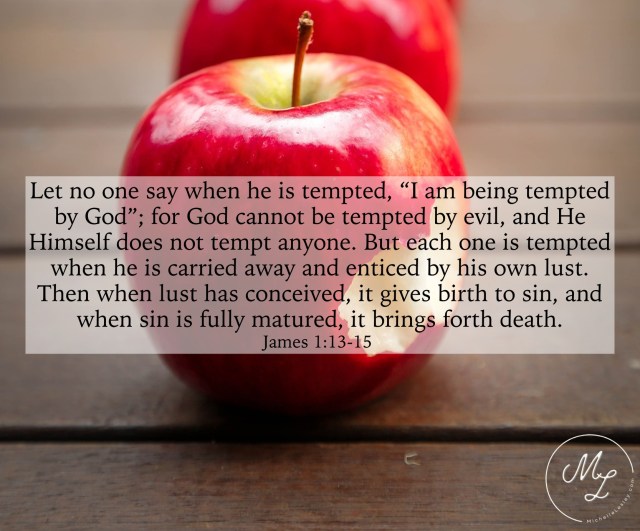
It wasn’t God’s fault for putting the tree there. It wasn’t God’s fault for warning them. It was Adam’s fault and Eve’s fault for being disobedient.

And giving in to sin is still our fault today. If you went to see Fifty Shades of Grey, it’s not God’s fault for allowing the movie to exist. It’s not some Christian blogger’s fault for making you aware of the movie or warning you not to see it. It’s your fault. You were tempted. You gave in to sin. (The good news is that if you will repent, God will graciously forgive you.)

As Christians we are to be imitators of God. “Whoever says he abides in him ought to walk in the same way in which he walked.” (1 John 2:6) That means that when we see sin that could easily ensnare our brothers and sisters, we don’t turn our heads. We don’t mind our own business. We don’t keep our mouths shut to be polite. We do the same thing God did time after time in the Bible. We run into the fray to rescue those we love.

When we see sin that could easily ensnare our brothers and sisters, we don’t turn our heads. We don’t mind our own business. We don’t keep our mouths shut to be polite. We run into the fray to rescue those we love.

And we are not to blame if there are those who choose to charge headlong into sin rather than heed the alarm we sound.

Women of Genesis Bible Study

The Women of Genesis: Lesson 36- Wrap Up

Previous Lessons: 1, 2, 3, 4, 5, 6, 7, 8, 9, 10, 11, 12, 13, 14, 15, 16, 17, 18, 19, 20, 21, 22, 23, 24, 25, 26, 27, 28, 29, 30, 31, 32, 33, 34, 35

📖📖📖📖📖

Read Genesis 1-50

📖📖📖📖📖


I hope you have enjoyed our long walk through the book of Genesis – almost as long as Abraham’s and Jacob’s wanderings! – and our study of the women who people this great story of Israel’s history from Creation to Egypt.

Today, we’re going to be wrapping up by looking at some of the broader themes and topics in Genesis. You may want to look back over your notes, or previous lessons, all of which are linked above.

Our next study will be a topical study of the Scriptures dealing with biblical womanhood. We’ll be having another fun title pic contest prior to the start of the study. I’ll have the exact title of the study and all the other details here for you next Wednesday (September 5), so get those creative juices flowing and pass the word to any artsy friends who might be interested!

Questions to Consider

1. What is the overall theme or purpose of the book of Genesis? Which attribute(s) of God does Genesis point to?

2. Make a list of each of the women we studied in this book. In what way did each of them contribute to moving the theme or purpose of Genesis forward?

3. What are some godly attributes of the women we studied that you aspire to in your walk with the Lord?

4. What are some ungodly attributes of the women we studied that God showed you were present in your own life? What are some ways you can mortify those sins and avoid those ungodly attitudes and actions in the future?

5. Which “Woman of Genesis” did you learn the most from, and why?

6. List three attributes of God that you learned about in this study.

7. What are the three major covenants in Genesis? Explain how each of them affected the person (and his family) it was given to and how each covenant points ahead to Christ.

8. All of the action in Genesis took place before God gave the Law (in Exodus, Leviticus, etc.). What are some specific incidents in Genesis that demonstrate that God’s moral law is transcendent (i.e. that the rules of morality – intrinsically good and bad behavior/attitudes – are universal. They applied before God gave Israel the Law and still apply now that Christ has fulfilled the Law – to everyone, everywhere.)?

9. What are the major historical events of Genesis?

10. What did you learn from this study about ancient Middle Eastern cultural practices, especially those that impacted the life of women?

11. In what ways is the book of Genesis an introduction and background to the book of Exodus?


Thanks again for studying The Women of Genesis. I hope it was as much of a blessing to you as it was to me! For more studies and resources on how to study the Bible for yourself, please click the “Bible Studies” tab at the top of this page.

Women of Genesis Bible Study

The Women of Genesis: Lesson 35

Previous Lessons: 1, 2, 3, 4, 5, 6, 7, 89, 10, 11, 12, 13, 14, 15, 16, 17, 18, 19, 20, 21, 22, 23, 24, 25, 26, 27, 28, 29, 30, 31, 32, 33, 34

📖📖📖📖📖

Read Genesis 47:27-50:26

📖📖📖📖📖


Questions to Consider

1. Briefly summarize, in your own words, Joseph’s story and how Jacob and his family came to live in Egypt, reviewing previous lessons (links above) if necessary.

2. Compare 47:27 with Jeremiah 29:4-7 and these New Testament passages. Think about the concept of God’s people living among pagans, displaced from their Promised Land, and waiting for the day when they can enter and possess it. Describe how this concept fleshes itself out in each of these passages. What is the Christian’s “Promised Land“? How does God want His people to live during the time of their exile? In the Genesis and Jeremiah passages, are there any general principles for godly living that you can apply to your life in “exile” on this earth today?

3. Examine 47:29-31 and 49:29-32. Where did Jacob (Israel) want to be buried? Why was it so important to him not to be buried in Egypt but to be buried in Canaan? Consider family/tribal bonds, the Abrahamic Covenant, and God’s promise to Jacob in 46:4 as you answer.

4. Explain 48:5-6 as it pertains to the establishment of twelve tribes of Israel (49:28, 49:1-27). What group do Israel’s twelve sons point ahead to in the New Testament?

5. Compare Jacob’s blessing of Ephraim and Manasseh (48:8-20) to Isaac’s blessing of Jacob and Esau. What are the similarities? The differences?

6. Consider Jacob’s blessing of Ephraim, Manasseh, and each of his sons. (48:15-49:28) What was the significance of the patriarchal blessing of the sons? Was it prophecy? Good wishes for a bountiful posterity? Instructions for the future? Information on the inheritance? Examine the cross references for each of the people Jacob blessed. How did his predictions for the future come true for each?

7. Which of the twelve tribes of Israel was Jesus descended from? Examine 49:9-12 as well as the cross-references. What do these verses call to mind about Jesus?

8. Revisit your answers to question #2. What was the result of Jacob’s and Joseph’s godly living while in “exile”? What sort of impact did these men have on the Egyptians? (50:2-3,6-7,9-11)

9. Examine 50:15-21. How is this a picture of the permanence of God’s forgiveness and of salvation? What was Joseph’s reaction (50:17) when he realized his brothers didn’t trust his forgiveness?

10. Compare Joseph’s request about his remains (50:24-25) to Jacob’s (47:29-31, 49:29-32). What were the similarities? The differences? How did Joseph’s request demonstrate his faith that God would keep His promises of the Abrahamic Covenant and serve as an introduction to Exodus? Where did both Jacob’s and Joseph’s remains eventually end up?


Homework

Compare 50:20 to Romans 8:26-30 and James 1:2-4. How does God’s ability to “make a silk purse out of a sow’s ear” demonstrate His sovereignty? What are some of the ways God can bless and grow us during times of difficulty? How can these passages inform our prayer lives when God allows or causes difficult circumstances in our lives? Write out a prayer that lines up with these passages that you can pray the next time you face a trial or tribulation.


Suggested Memory Verse

As for you, you meant evil against me, but God meant it for good, to bring it about that many people should be kept alive, as they are today.
Genesis 50:20

Women of Genesis Bible Study

The Women of Genesis: Lesson 34

Previous Lessons: 1, 2, 3, 4, 5, 6, 7, 8, 9, 10, 11, 12, 13, 14, 15, 16, 17, 18, 19, 20, 21, 22, 23, 24, 25, 26, 27, 28, 29, 30, 31, 32, 33

📖📖📖📖📖

Read Genesis 46:1-47:26

📖📖📖📖📖


Questions to Consider

1. Briefly review previous lessons (links above) to refresh your memory on the background of today’s passage. What events led up to the action in chapters 46-47?

2. Review previous lessons regarding the role the Abrahamic Covenant has played in the lives of Abraham, Isaac, and Jacob, especially with regard to physically living in Canaan and “possessing the land”. Trace Israel’s journey from Hebron to Egypt on a Bible map. Why would he have stopped and sought the Lord at Beersheba, specifically, and why would God have assured him it was OK to leave Beersheba and enter Egypt? (46:1-4)

3. Compare 46:3 to Genesis 12:2. How is this a promise to Israel of fulfillment of the Abrahamic Covenant? How can this passage be a reminder to us that God does not forget His promises and that He has a right to carry out those promises in any way and any timing He chooses, even if it doesn’t make sense to us? What does this teach us about God’s sovereignty, His authority, and His infinite wisdom, compared to our humility and limited knowledge?

4. Why would it have been important to the nation of Israel’s history and record-keeping to list the names, numbers, and relationships (46:8-27) of the people who left Canaan to settle in Egypt?

5. Consider 47:5-6 and recall 45:16-20. Why was Pharaoh, a pagan, so favorably disposed toward Joseph, and consequently, Joseph’s family? What character traits had Joseph displayed while serving Pharaoh that had such an impact on him? Think about the way you serve your employer, your family, and your church. How does the Fruit of the Spirit you display impact your relationships with those you serve?

6. Compare 47:11-2 with these passages. How does Joseph’s provision for his family who has come to him paint a picture of God taking care of the needs of those who come to Him?

7. Consider 47:13-26 with regard to Egypt’s rise to power in the ancient world. What did Pharaoh take from the people first? (47:14-15) Next? (47:16-17) Next? (47:18-21) How did this shift the balance of power between the people and the Egyptian government? Was it God’s will for Egypt to become a powerful and prominent nation? Who sent the famine that set these wheels in motion and who could have stopped it? Thinking ahead to the Exodus, what was the significance of having an “almighty” Pharaoh and empire as the backdrop for Almighty God’s signs, wonders and deliverance?

8. Think about 47:23,35 in light of these passages. How does Joseph purchasing the people to save their lives point to Christ’s redemption of sinful man? Was there any way for the people to save themselves? How did Joseph show mercy and compassion to them? What was the people’s response to becoming servants? Were they resentful? Grateful? What does this teach us about why we should serve Christ, and the attitude with which we should serve Christ?


Homework

Again compare 46:3 to Genesis 12:2, and consider 46:1-4, this time putting yourself in Israel’s shoes. God has promised Canaan to Abraham’s descendants. Israel already lives there with a decent number of descendants. (46:8-27) From Israel’s human vantage point, does it make sense for him to pack everybody up and leave the Promised Land (46:5-7) rather than staying, increasing in number, and taking over Canaan? But can Israel see the big picture, centuries into the future, the way God does?

Think about a time God worked in your life in a way that, humanly speaking, didn’t make sense. Compare your finite knowledge of the situation with God’s infinite knowledge of it and His “big picture” plans. Considering this, write down three reasons it is important to trust God and three reasons it is important to obey God, especially when things don’t make sense.


Suggested Memory Verse

And they said, “You have saved our lives; may it please my lord, we will be servants to Pharaoh.”
Genesis 47:25

Women of Genesis Bible Study

The Women of Genesis: Lesson 33

Previous Lessons: 1, 2, 3, 4, 5, 6, 7, 89, 10, 11, 12, 13, 14, 15, 16, 17, 18, 19, 20, 21, 22, 23, 24, 25, 26, 27, 28, 29, 30, 31, 32

📖📖📖📖📖

Read Genesis 44-45

📖📖📖📖📖


Questions to Consider

1. Genesis 44:1 begins with the word “then.” What happened prior to the action in chapter 44? Briefly review recent lessons (links above) to refresh your memory on the background for today’s lesson.

2. Review question 5 from Lesson 32. How much time might have passed between the brothers’ first trip to Egypt (and Joseph’s rough treatment of them) in Genesis 42 and their second trip to Egypt (and Joseph’s rough treatment of them) in Genesis 44? It’s important to keep in mind that the events of these two chapters did not occur back to back in real time.

3. Review question 4 from Lesson 32, and consider again: why did Joseph act the way he did toward his brothers? (44:1-17) Why did he again return their money into their sacks and plant “evidence” in Benjamin’s sack that he could use for a false accusation? Was it revenge for how they had treated him? Was he trying to find out if their character had changed since that time? Was he trying to find out how they were accustomed to regarding and treating Benjamin so he could keep Benjamin in Egypt and protect him from them if necessary? Could it have had something to do with guiding them toward repentance for what they had done to him? (Hint: Notice that the further Joseph carries the rough treatment, the more information he draws out of his brothers about themselves and the rest of his family.)

4. What did Judah’s plea in 44:18-34 reveal to Joseph about his brothers’ regard for their father and for Benjamin? What was Judah willing to do (44:33) out of concern for them? Considering the reasons (from question 3) Joseph may have treated his brothers roughly, what response did this treatment draw out of Judah and the other brothers (44:12-17)?

5. What finally convinced Joseph it was time to reveal his identity to his brothers? (45:1-4) Compare 45:3 with 44:30-34. Why would Joseph ask if his father were still alive?

6. In what specific ways in chapters 44-45 is God’s sovereignty over man’s circumstances showcased? What does Joseph believe about God’s sovereignty in his own life? (45:5-8)

7. Compare 45:5 and 45:7. Distinguish between these two purposes for which God sent Joseph to Egypt. Notice the word “you” in verse 7. To whom does “you” refer? What were the implications for the future of Israel of God preserving a remnant of survivors of Joseph’s brothers?

8. What can we learn about repentance and forgiveness from today’s passage? In 45:5, is Joseph brushing aside his brothers’ sin?

9. Write about joy as it is portrayed in chapter 45. What is the source of joy? How is it expressed, and to/between whom?

10. Compare 45:5 to Isaiah 53:10. How does God sending Joseph – via the route of suffering – to save people point us ahead to Christ? Did Joseph’s hard work and suffering save everyone affected by the famine, or only those who came to him seeking the “bread of life”?


Homework

What did you learn from 44:9 about the imprudence of speaking rashly when you don’t know all the facts of the situation? What does the Bible teach about speaking or vowing rashly? Consider these passages, noticing how some of them are worded in the positive (“do this”) and some are worded in the negative (“don’t do that”). Make a two column chart listing all of the positive statements in these passages in one column. In the second column, accurately re-word this statement in the negative. For example: Part of James 1:19 says “be quick to hear”. You might re-word this as “don’t be someone who doesn’t listen to others”.) Make a second chart for the negative statements in these passages, rewording them into positive statements.

Apply these concepts to a current or past situation you’ve been in. In what ways were you obedient to these biblical instructions? Are there any you were disobedient to and need to repent of?


Suggested Memory Verse

And now do not be distressed or angry with yourselves because you sold me here, for God sent me before you to preserve life.
Genesis 45:5