Doctrinally Sound Teachers

Doctrinally Sound Christian Men to Follow – 2

Sometimes we ladies fall for the mindset that if we’re going to pick up a Bible study book, read a blog, or listen to Bible teaching, it has to be from a female author or teacher. Not so! There are a lot of fantastic, doctrinally sound, male Bible teachers, pastors, and writers out there – far more males than females, actually – and you’ll really be missing out if you limit yourself to women teachers and writers.

I’ve recommended lots of my favorite doctrinally sound teachers at the Recommended Bible Teachers tab in the blue menu bar at the top of this page. Here are some more; and these lists are by no means exhaustive!

IMPORTANT REMINDER: Don’t take my (or anyone else’s) word for it that any ministry, podcast, book, or blog is biblical in its doctrine. You MUST do the work of comparing with Scripture everything you read and hear. If it doesn’t match up with God’s word (in context), chuck it.
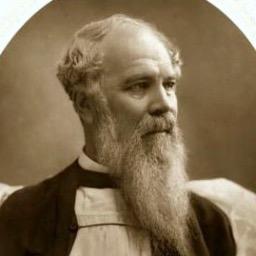
J.C. Ryle – One of my beloved, “old dead guys,” John Charles Ryle (1816-1900) was the first bishop of Liverpool and a 19th century English pastor, known for his solid preaching and defense of the faith. He was a prolific author of tracts and books, often based on his sermons, and he frequently taught on contemporary issues from a biblical worldview. Two of his better known books are Holiness and Practical Religion. My favorite book of Ryle’s, however, is The Duties of Parents. Many of Ryle’s works are available online for free. Download nearly 200 of Ryle’s tracts (booklets), read one of his books or sermons online, or add a volume or two to your library.  Facebook  Twitter
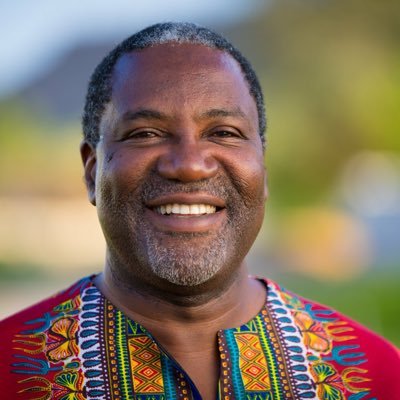
Conrad Mbewe – A man who wears many hats, Conrad is, first and foremost, pastor of Kabwata Baptist Church in Lusaka, Zambia. Conrad is also editor of Reformation Zambia magazine, Director of International Advancement and lecturer at African Christian University in Zambia (where Voddie Baucham serves as Dean of Theology), writes and preaches extensively, and is a sought after conference speaker. I first became familiar with Conrad when I heard his phenomenal teaching sessions at John MacArthur’s Strange Fire conference. Read Conrad’s blog, A Letter from Kabwata, listen to one of his sermons, or purchase one of his booksFacebook  Twitter

Justin Peters  – “Justin Peters Ministries is committed to communicating biblical truth through expository preaching and teaching resources designed to deepen the believer’s knowledge of God and, in turn, his love for God.” Justin is a beloved and popular conference speaker, most often on the topic of discernment. He is best known for Clouds Without Water, a seminar designed to educate the church on the history, growth, and danger of the Word of Faith and New Apostolic Reformation heresies. Watch a presentation of Clouds Without Water, order some of Justin’s materials, listen to his sermons, or subscribe to Justin’s podcast on YouTube or your favorite podcast platform.  Facebook  

Gabriel Hughes– Gabe serves as Associate Pastor of First Baptist Church, Lindale, Texas. An excellent writer, Gabe blogs on discernment and contemporary issues, but he is probably best known for his 90 second WWUTT (When We Understand the Text) videos which address a variety of biblical topics. Gabe also hosts the WWUTT podcast, a helpful daily study in the Word of God. You can watch WWUTT videos, download WWUTT podcasts, purchase Gabe’s books, and more, at the WWUTT website.  Facebook  Twitter
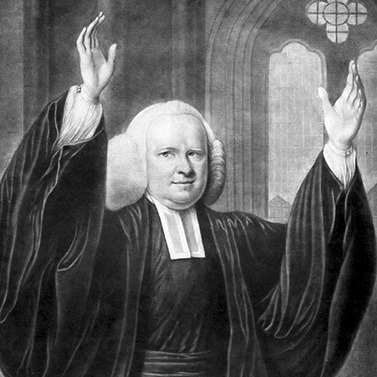
George Whitefield– George Whitefield (1714-1770) was a minister in the Church of England and, along with the Wesley brothers, was one of the founders and leaders of Methodism. Whitefield’s zeal for evangelism led him outside the four walls of the church, and it was not unusual to find him preaching to thousands and even tens of thousands in fields along the English countryside. Whitefield was also a well-known itinerant preacher and evangelist in the United States, and was an integral part of the Great Awakening. Many of Whitefield’s works are available on line including his sermons and tracts. I thoroughly enjoyed this brief biography of Whitefield by the aforementioned J.C. Ryle, and you’ll definitely want to get a hold of Steve Lawson’s book on Whitefield.  Facebook  Twitter
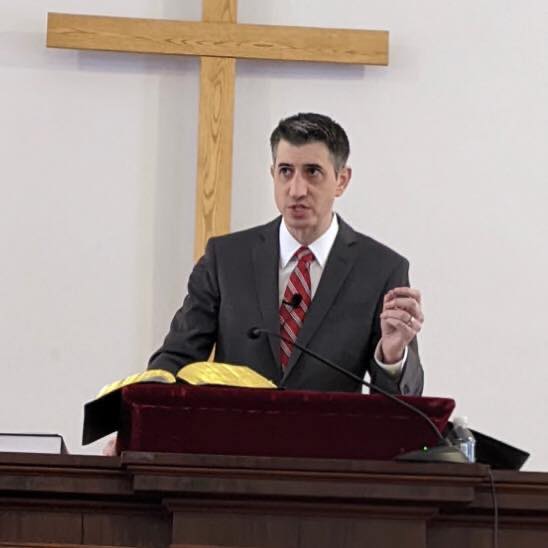
Nate Pickowicz – A heart for New England and a mind for the Puritans, Nate is the pastor of Harvest Bible Church in Gilmanton Iron Works, New Hampshire. He has authored and edited several books, including R.C. Sproul: Defender of the Reformed Faith, Reviving New England, Why We’re Protestant, and How to Eat Your Bible, an introduction to studying God’s Word, complete with a Bible reading plan Nate designed. Check out Nate’s books and articles, and give his sermons a listen. Facebook Twitter Instagram

Andrew Rappaport – Andrew is an absolute ministry machine. He is the founder and Executive Director of both Striving for Eternity Ministries, a speaking and training ministry, and the Christian Podcast Community, a colloquy of Christian podcasters. Andrew is also the host of several podcasts, himself: Andrew Rappaport’s Rapp ReportAndrew Rappaport’s Daily Rapp ReportApologetics Live, and So, You Want to be a Podcaster, has authored a number of books and study materials, and is a dynamic conference speaker. Listen in to one (or all!) of his podcasts, and check out his books, materials, and training sessions at one of the links above. Facebook

Owen Strachan – Owen is Provost and Research Professor of Theology at Grace Bible Theological Seminary in Conway, Arkansas, and former president of the Council on Biblical Manhood & Womanhood (CBMW). Owen has authored and contributed to a truckload of books and journals on subjects as varied as biblical sexuality, Jonathan Edwards, and social justice. He also writes about theological issues and events at To Reenchant the World. Not just a sharp writer, Owen is also an articulate speaker, hosting his own podcast, The Antithesis, and speaking often at conferences. Listen in to the podcast, and check out Owen’s books. Facebook Twitter Instagram

Scott Aniol– Scott is “Executive Vice President and Editor-in-chief of G3 Ministries and Professor of Pastoral Theology at Grace Bible Theological Seminary. He is a teacher of culture, worship, aesthetics, and church ministry philosophy, he lectures around the country in churches, conferences, colleges, and seminaries, and he has authored several books and dozens of articles.” Scott’s heart for biblical worship -in the church and in the family – is clear in all of his ministry endeavors. Check out his podcast, By the Waters of Babylon, his books and other media, Religious Affections Ministries, and his G3 blog, By the Waters of Babylon. Facebook Twitter Instagram


You can always find these – and more great Christian men and women to follow – at the Recommended Bible Teachers tab in the blue menu bar at the top of this page.

Uncategorized

In Case You Missed It…

There’s a lot of great stuff going on in Christendom lately, and I didn’t want you to miss out (especially if you’re not on social media)! So, “in case you missed it”…

Several weeks ago, just for fun and encouragement, I put out the call on social media for women who are using one of my Bible studies – either individually or in a class – to send in some pictures of their study time. Here are the responses I’ve received so far:

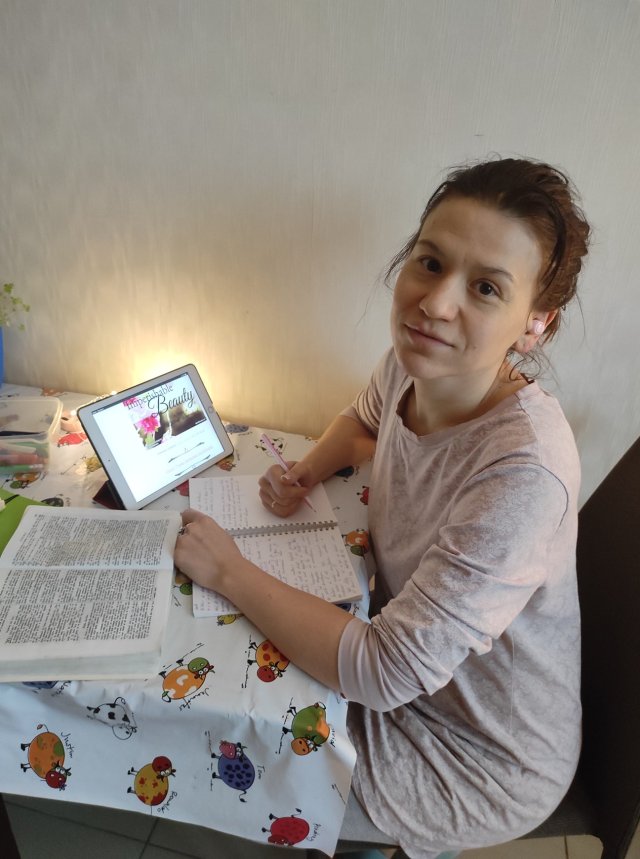
Natasha lives in Kiev, Ukraine and is currently working on Imperishable Beauty: A Study of Biblical Womanhood. (She has also completed Living Stones: A Study of 1&2 Peter.) Natasha says: “I pray that God will help me understand and study His Word. And this is not easy since I have 4 children and three of them are under the age of 4…But God is good to me.” I’m sure many of us can relate to that!

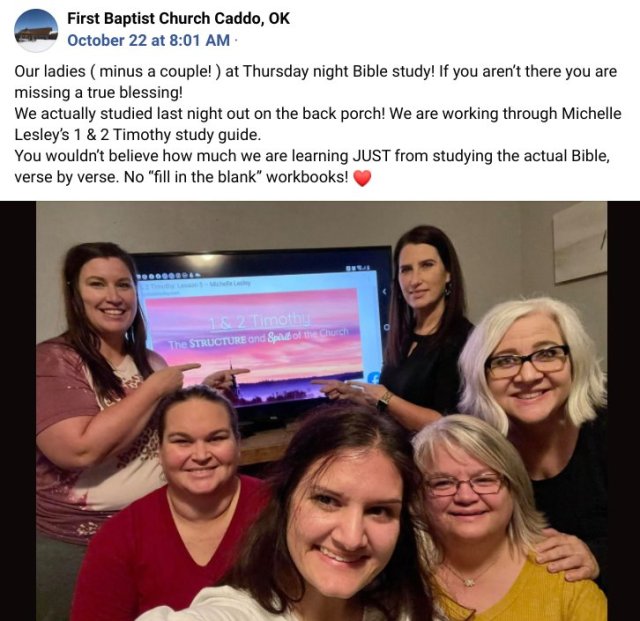
My friend, Robin Self says, “Our ladies are LOVING studying verse by verse!” They are working through 1 & 2 Timothy: The Structure and Spirit of the Church.

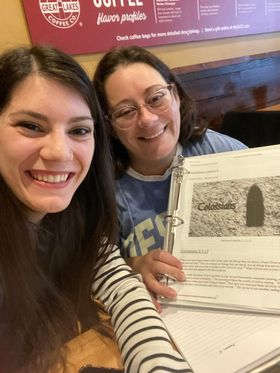
Megan says: “My friend Paige and I are working through the Colossians Bible Study!! It’s been so refreshing to actually study the Bible, not someone’s book!! We have a group on Facebook1 for people to join (WOMEN ONLY, but we’d love to have more ladies join us!) and watch any recordings if they can’t meet. We got to meet in person for the first time this morning to work through the 5th lesson! Thank you so much for what you do!”

1Just a reminder, Facebook groups, pages, and Bible studies – even mine – are great, but they are not a biblical substitute for active, faithful membership in a local church.

Are you or your ladies’ group working through one of my studies? Send me a picture (email or social media private message), including the study’s title image, if possible, the name of the study you’re using, and a brief comment. I’d love to share it on social media and/or the blog!

Can you believe my A Word Fitly Spoken podcast partner, Amy Spreeman, and I have only spoken at one women’s conference together? We’d like to change that. If you’d like to book both Amy and me to speak at your next women’s event, please click here.

Did you know that G3 Ministries has a shiny new church finder? Check it out, and if your church isn’t listed, pass the link for the application page on to your pastor.

Don’t despair that you can’t find a church in your area or that there are so few listed. For a brand new site with an application process, this is quite a good number of churches. I’ve got it all linked up at my Searching for a new church? tab (in the blue menu bar at the top of this page), so you can keep checking back from time to time to see which new churches have been added.

If you’re looking for a new church right now and you can’t find anything near you on G3’s map, be sure to check out all the other wonderful church search engines and resources at Searching for a new church? I highly recommend the Founders and Master’s Seminary search engines.

And speaking of G3, the hits just keep on coming! You’ve loved their national conference, maybe you’re looking forward to a regional conference, and you’ve probably heard about their expository preaching workshops for pastors. But did you know they’ve added another workshop specially geared toward worship pastors?

Grab this link for G3’s first Biblical Worship Workshop, and pass it along to your pastor or worship pastor. (And you might want to tell them to hurry up and register. I’m really surprised it isn’t already at capacity.)

The singing portion of this video was recorded at my church. You can briefly see yours truly (at the 0:05 mark, near the top of your screen) in the pink glasses and black sweater. Fun stuff! :0)

Another reason I’m excited about this particular G3 workshop is that one of my own pastors, Laramie Minga, is going to be one of the instructors. He knows his stuff, and your pastor will really benefit from sitting under his teaching. (The other guys are good, too! :0)

Also, in case it wasn’t clear from my saying that this workshop is for pastors, this one is for men only, ladies, particularly men who are already pastors or who are on track to becoming pastors.

Interested in becoming a certified biblical counselor? Spring 2022 regional training events are coming to Baton Rouge, Louisiana, Bardstown, Kentucky, and Moore, South Carolina, so get signed up! Find out more about training and other events at the Association of Certified Biblical Counselors (ACBC) website.

Mailbag

The Mailbag: Potpourri (Ministry oversight…Elliot/ten Boom preached to men…G3…Alt-her-ing Scripture)

Welcome to another “potpourri” edition of The Mailbag, where I give short(er) answers to several questions rather than a long answer to one question.

I like to take the opportunity in these potpourri editions to let new readers know about my comments/e-mail/messages policy. I’m not able to respond individually to most e-mails and messages, so here are some helpful hints for getting your questions answered more quickly. Remember, the search bar (at the very bottom of each page) can be a helpful tool!

Or maybe I answered your question already? Check out my article The Mailbag: Top 10 FAQs to see if your question has been answered and to get some helpful resources.


Hello! I’ve just found you while looking for theologically sound Bible studies. I’m thankful to find your resources and look forward to reading further!

So far you’ve checked all my boxes in looking for someone who is seeking to be faithful to the Word. I would assume in being a proponent of complementarianism, that you are in a church that allows you, as a woman in ministry, to submit to the pastors and/or elders of your church… Can you please clarify this? In other words, are you receiving oversight outside yourself in your ministry? One reason I’m asking is our church has an elder that is over all our women’s ministries and find that as a good discernment check.

Also, where do you live? That question isn’t terribly important; I’m just curious.

I live in Baton Rouge, Louisiana. (You can find out more about me in the Bio tab in the blue menu bar at the top of this page.)

This is a super question, and I’ve received it a few times in the past, but I’d like to tweak it just a bit if that’s OK.

It’s certainly not a bad thing for a woman in a parachurch ministry like mine to have her doctrinally sound pastor and elders or some sort of ministry board oversee her ministry if she and her husband and pastor and elders all mutually agree that it would be beneficial. And if God miraculously gave my pastors several more hours in the day that they didn’t know what to do with and they called me and said, “Hey, we’d like to volunteer to do this for you,” I’d probably take them up on it.

But what I’d like to clarify is that, while this may or may not be a wise and helpful arrangement, it isn’t a requirement of Scripture (and I’m not saying that you think it is) for women or men in parachurch ministries, complementarianism notwithstanding. What Scripture requires is that all church members submit to the leadership of their pastor and elders:

Obey your leaders and submit to them, for they are keeping watch over your souls, as those who will have to give an account. Let them do this with joy and not with groaning, for that would be of no advantage to you. Hebrews 13:17

As a member of my church, I certainly strive to obey this instruction. And if my blogging / podcasting / speaking ministry were a ministry of my church, like the women’s ministry of your church, it would definitely fall under the purview of my pastors.

But it isn’t. My ministry is discrete from my church just like any other church member’s job or business. Furthermore, I’ve been a member of four different churches since I started my ministry, and, sad to say, some of those pastors and leaders weren’t even biblically qualified for their own ministries, never mind overseeing mine.

Next, it depends on what you mean by “oversee”. If you mean – Do I submit all of my articles, podcast notes, and teaching materials to my pastors for approval before I publish, podcast, or speak at an event? Do I check with them every time I make a decision? – no, and I would never think of asking them to do all of that. They’re busy being pastors. And, if my writing, teaching, and decision-making were so suspect that I needed them to do that, or that they felt they needed to do that, I would have no business writing and teaching on biblical topics.

Now, there have been a few times when I’ve asked for their input or advice. One time, I needed a little clarity on a certain passage. Another time (due to spiritual abuse at a previous church), I was super anxious that something I was writing might upset my pastors, so I ran it by one of them, and he essentially said, “That’s the same thing we believe. Calm down. We trust you.”.

And that’s basically the long and short of it. They know what I think, I know what they think, we’re pretty much on the same page about everything, biblically, and they trust me. And the same goes for my husband. And I trust that if I ever write anything that’s unbiblical or needs correction, they’ll let me know, and I’ll fix it. 


Where do you place speakers such as Elisabeth Elliot, Corrie ten Boom and the like who, while they spoke to audiences that included men, did not seem to be cut from the same cloth that some female speakers of today seem to be? Do you feel they were appropriate in speaking to mixed gender audiences?

Several people have asked me this about Elisabeth Elliot recently, so it’s possible there’s something making the rounds about her that I’m not aware of, but I think there’s an aspect of this question that’s really important for all of us to key in on:

God is no respecter of persons, and we shouldn’t be, either.

If something is a sin, it’s a sin – and it doesn’t matter who’s committing it. It’s just as much a sin for Elisabeth Elliot to preach to or teach the Bible to men as it is for Beth Moore as it would be for you or for me.

And it appears that Elisabeth Elliot1 did, in fact, make a practice of committing this sin. (Here are some videos of her preaching/teaching the Bible with men clearly present in the audience: here at 1:06, here from 0:00 and at 12:38, here from 0:00, here at 1:32, and there are many others.) So, at least in that one respect, she was “cut from the same cloth that some female speakers of today seem to be.”

Apparently, there were other serious problems with Elisabeth’s doctrine as well. From the article, Courage to Be Catholic?:

“[Elisabeth] continued, “…my brother…entered the Catholic Church some years ago. I only wish I had his courage.”…she admired the decision I had made to enter the Church, as her dear brother had! After she had sung the praises of the Catholic Church for several minutes, I worked up the nerve to ask Elisabeth why she did not follow in her brother’s footsteps. “Cowardice, I suppose. My listeners and readers simply would not understand.”

Of course they wouldn’t. Catholic doctrine is heretical.

It’s harder to decipher (at least from YouTube videos) whether or not Corrie ten Boom preached and taught Scripture to mixed audiences, but so far as I can tell, she did. Corrie is generally known for giving her personal testimony, and that’s not normally a violation of Scripture for a woman (see #14 here) unless she veers off into actual preaching. However there are several YWAM (Youth With A Mission) training videos like this one (0:49) which show a man and women on the stage with Corrie as she teaches them a biblical topic, videos which, I can only assume, were used to train both male and female YWAM staff.

And, in a video entitled The Holy Spirit Gives Power (June 8, 2016) the man introducing Corrie says at 2:55, “she has toured the world preaching the gospel of Jesus Christ, winning many to Christ by both her writing and her preaching” and she goes on to preach to what sounds like a rather large audience, which, it seems unlikely, was restricted to women. (Further, the man introducing her sounds very much like Billy Graham to me, and if Billy Graham ever introduced a woman speaker for a women’s only event, that’s news to me.)

Perhaps even more disturbing was Corrie’s appearance on Kathryn Kuhlman’s show. Kathryn was a rank heretic: a female preacher, faith healer, and, essentially, one of the “founding fathers” of what is now the New Apostolic Reformation.

I don’t think anybody asking this question is intentionally saying or thinking that there’s a different standard for our heroes in the faith than for us regular old ordinary Christians, but it’s a sneaky little mindset that can weasel its way in without our even noticing it. We need to keep a couple of things in mind:

First – Surviving a horrific experience, even with great faith, doesn’t automatically make a person biblically discerning, doctrinally sound, or qualified to teach the Bible.

Second- As doctrinally sound Christians, we need to be really careful not to do the exact same thing that disciples of false teachers often do: let our sentimentality or love for an evangelical legend override biblical standards and commands, or give our favorite teachers a pass on sin.

I’ve addressed this subject further in my article Stricter Judgment, Even for MY Favorite Teacher.

1Big thank you’s to my dear friend Elizabeth Prata (an Elizabeth you should be following) for the heads up on much of this info about Elisabeth Elliot.


Will you be at the G3 Conference? I’ll be there, and I’d like to meet you!

Sadly, no, and I’m kinda bummed about that, because, not only is G3 a fantastic conference, it seems like all of my buddies that I hardly ever get to see are going to be there.

I have a conference of my own in Montana the weekend before G3 and another in California the weekend after G3, so I’m already going to miss those two Sundays at my own church, plus I don’t like leaving my family any more than I absolutely have to.

I will be in Heaven eventually, though, and we’ll all have eternity to meet and greet and fellowship together as we worship around the Throne. So, if I don’t see you here, I’ll see you Hereafter. :0)


I have a dear friend in Christ who I know loves Jesus, trusts Him, and knows her Bible. However, she sent me something recently that really made me curious and I want to know if out of love, I should discuss with her.

What she sent me was this: The Lord’s beloved rests securely on Him. He shields (her) all day long, and (she) rests on His shoulders. Deuteronomy 33:12.

It was on a pink background with very pretty script. But I believe it’s wrong to alter Scripture to make it about me, as a woman. If God meant for it to say “her” or “she” He would have made sure it did. Am I being petty, or reading too much into a simple daily devotion thing that my friend I’m sure meant nothing but love by sending to me?

No, you’re not being petty or legalistic, you just have a higher view of Scripture and better hermeneutics than she does, and you’re right. Who in the name of arrogance are we to alter or adulterate God’s written Word so it’s more pleasing to us? There are actually two issues here:

First of all, there are many passages of Scripture which use universal male pronouns to mean everybody, humankind, men and women. For example (I just picked this one at random), Psalm 8:4:

what is man that you are mindful of him, and the son of man that you care for him?

Obviously, “man” and “him” in this verse don’t mean that God is only mindful of males or only cares for males. As women, we can correctly understand that this verse includes us. And we ought to be woman enough, mature enough, and have enough reverence for God’s Word that we don’t have to put it on a pretty pink background with flowers and a swirly font, and change the pronouns from masculine to feminine so that none of the girls get their feelings hurt.

But here’s the second – and in my view, more important – issue with this particular instance: Deuteronomy 33:12 isn’t one of those universal male pronoun verses. Your friend (or whoever created the image) is ripping it completely out of context. And she had to amputate the first part of the verse in order to do so. Here’s the whole verse:

Of Benjamin he said, “May the beloved of the Lord live in security beside Him Who shields him all the day long, And he lives between His shoulders.”

This isn’t some universally applicable verse, even if you’re a man. This is Moses blessing the twelve tribes of Israel prior to his death. Verse 1 of chapter 33 tells us just that: “Now this is the blessing with which Moses the man of God blessed the sons of Israel before his death.”

What your friend is doing is like finding a letter her dad wrote to her brother, scratching out her brother’s name, and writing in her own name instead. Yes, Dad loves her too, but this is her brother’s letter, and she’s stealing it.

Maybe this was just a one time “oopsie” in which your friend wasn’t very careful about what she was passing along on social media. We’ve all been guilty of that. If that’s the case, and everything else seems to be doctrinally sound, you could talk to her about it if you want, but I don’t see any harm in letting this one go. But if it seems more like a pattern or a downhill slide, yes, I’d pray for wisdom and an opportune moment and gently, yet firmly, talk to her about reverence for God’s Word, and rightly handling it.


If you have a question about: a Bible passage, an aspect of theology, a current issue in Christianity, or how to biblically handle a family, life, or church situation, comment below (I’ll hold all questions in queue {unpublished} for a future edition of The Mailbag) or send me an e-mail or private message. If your question is chosen for publication, your anonymity will be protected.

Sermons

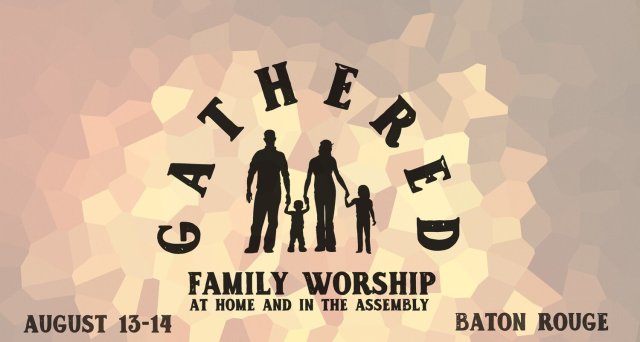
Gathered 2021: Family Worship Conference Teaching

I recently had the exciting opportunity to attend the Gathered conference here in Baton Rouge.

The topic of the conference was family worship in the context of the local church – how parents must disciple their children in conjunction with the church body, and how the church body can, in turn, support those parents and help them disciple their children.

There were four plenary sessions by Dr. Scott Aniol. Currently a professor at Southwestern Baptist Theological Seminary, Scott was recently named Executive Vice President and Editor-in-chief of G3 Ministries. And you’ll definitely want to check out his website, Religious Affections Ministries, a wonderful resource for churches, families, and individuals.

Other presenters included Andrew Pressley, Associate Pastor at First Baptist Church, Lindale, Texas (Tom Buck’s church), and Matt Sikes, Pastor of Discipleship and Worship at Pray’s Mill Baptist Church (Josh Buice’s church).

You’ll find all of the main sessions and men’s breakout session (be sure to share them with your husband!) linked, but I wanted to feature the two women’s breakout sessions taught by Scott’s wife, Becky Aniol, who, among other fine pursuits, is a stay at home, homeschooling mom of four. She gave us a lot of biblical precepts and practical tips for family worship in her two part session A Family Worship Toolbox: Resources and Routines for Monday – Sunday. You’ll find them helpful with your children, grandchildren, or the children you minister to at church. I’m sure you’ll enjoy her sessions as much as I did.

Plenary Session 1: The Goal of Family Discipleship

Plenary Session 2: Practice Makes Perfect

Plenary Session 3: Q&A
(Scott and Becky Aniol, Matt Sikes, Andrew Pressley, and Laramie Minga)

Plenary Session 4: From Integration to Segregation

Men’s Breakout: The Father’s Responsibility in Family Worship Part 1

Men’s Breakout: The Father’s Responsibility in Family Worship Part 2

Mailbag

The Mailbag: Potpourri (DivorceCare, When are they men?, Touring unbiblical churches…)

Welcome to another “potpourri” edition of The Mailbag, where I give short(er) answers to several questions rather than a long answer to one question. I also like to take the opportunity in these potpourri editions to let new readers know about my comments/e-mail/messages policy. I’m not able to respond individually to most e-mails and messages, so here are some helpful hints for getting your questions answered more quickly. Remember, the search bar can be a helpful tool!

In these potpourri editions of The Mailbag, I’d also like to address the three questions I’m most commonly asked:

“Do you know anything about [Christian pastor/teacher/author] or his/her materials? Is he/she doctrinally sound?”

Try these links: 
Popular False Teachers /
 Recommended Bible Teachers / search bar
Is She a False Teacher? 7 Steps to Figuring It Out on Your Own
(Do keep bringing me names, though. If I get enough questions about a particular teacher, I’ll probably write an article on her.)

“Can you recommend a good women’s Bible study?”

No. Here’s why:
The Mailbag: Can you recommend a good Bible study for women/teens/kids?
The Mailbag: “We need to stop relying on canned studies,” doesn’t mean, “We need to rely on doctrinally sound canned studies.”.

“You shouldn’t be warning against [popular false teacher] for [X,Y,Z] reason!”

Answering the Opposition- Responses to the Most Frequently Raised Discernment Objections


I’m wondering if the DivorceCare support groups are good?

I’ve never been to a DivorceCare group or been a part of a church that hosted a group or used its materials, so I’m strictly drawing on what I’m seeing on their website.

The DC statement of faith is biblical, if minimalistic.

The format of meetings is for the group to watch “a video seminar featuring top experts on divorce and recovery subjects” and then discuss it, support group style. So, I took a look at the list of seminar experts. I don’t recognize half or more of the names, but of the names I do recognize, most are biblical counselors (the biblical counseling world has a reputation for being generally doctrinally sound), and two or three are pastors and Bible teachers I wouldn’t recommend but aren’t heretics either (if they’re teaching strictly on issues of divorce, I’m guessing what you’ll get from their videos is pretty much in line with Scripture).

So, all of that to say, as far as the materials DC provides, I don’t think you’re going to be taught major doctrinal error if you choose to participate. However, I’m guessing these groups vary widely depending on who is leading them and how good or bad that person’s/church’s theology is, so that’s a major component to take into consideration.

Having said all of that, I would not recommend that you participate in a parachurch organization for help getting through a divorce. It’s not their job to do that, it’s your local church’s job. Your pastor should be counseling you and/or your spouse to reconcile if that’s at all possible, and counseling you in other ways if not. Your Sunday School or Bible study class and other church family should be supporting you, helping you, and walking through this difficult time with you. When Galatians 6:2 says, “Bear one another’s burdens,” it’s talking to the church, not a parachurch organization or a support group. And you need real live, “Call me any time, day or night,” church family to do that, not a bunch of strangers, not an expert on a screen. I think people who choose a parachurch organization like this are going to miss out on a lot more than they realize.

Furthermore, while counseling people who are going through a divorce is a good and necessary thing, it concerns me that so many churches are putting so much emphasis on post-divorce programs when what they should be throwing most of their energy into is preventing divorce by:

  • preaching and teaching biblically about marriage and divorce
  • extensive pre-marital teaching and counseling
  • encouraging, strengthening, and enabling healthy marriages
  • intervening and helping couples in marital distress
  • treating initiating and pursuing divorce for unbiblical reasons as the sin the Bible says it is
  • commencing with church discipline for church members who are initiating and pursuing divorce for unbiblical reasons.

Churches that proactively support and protect marriage this way will rarely find the need for divorce counseling.


I agree that Scripture is clear about women not teaching men the Scriptures. At what age are males considered to be ‘men’?

It’s an insightful question, and one that there’s no hard and fast “exact age” answer to. I think most of us would probably agree that pre-teens and under are children, not men, and I hope that most of us could agree that males in their mid-20s and upward are men. It’s those pesky teens to early 20s ages that throw a monkey wrench into the question.

Males ages 18 to early 20s may, in some cases seem like boys, but for this question, I think the common grace of American law (if you’re an American) can help us feel confident defining any male over 18 as a man. If American law treats a person as an adult at age 18 with regard to crimes, voting, marriage, property, etc., should the church be treating them as children?

So now we’ve narrowed our window of potential “men” down to age 12 or 13 to 17. And for that narrow window of ages, I’m going to refer you to question 13 of my article Rock Your Role FAQs:

What about teaching the boys in my church’s youth group?

Women should not serve as youth pastors. The Bible restricts pastoral and elder roles to men.

As to teaching the Bible to co-ed groups of minors (in Sunday School, as a youth helper, etc.), there is no hard and fast rule, but my recommendation is that a good time for women to break from teaching boys at church is around the time they start middle school. In the Bible, boys traditionally moved from childhood to adulthood at age thirteen. Jesus exhibited growth toward manhood and engaged the rabbis in the temple at age twelve. Of course, these are both anecdotal and neither means this age is the basis of any sort of law for Christian women about teaching boys, but there seems to be some wisdom there- a good rule of thumb. Once they hit their early teens, boys really need the guidance of godly men who can lead by example and teach them what it means to grow into godly manhood. When it comes to teaching adolescent boys at church, it’s much less about what women are “allowed” to do and much more about the best way to grow godly men. Only men can train boys to be men.


Over the years when we have visited various cities, we have toured old churches, several of which have been Catholic churches. Our main interest has been the architecture of the buildings along with the historical aspect. We have never participated in a church service, only informational tours. I was wondering if you have an opinion of Christians touring Catholic churches.

For someone who is genuinely saved, and in no danger of being wooed toward false doctrine simply by walking through a beautiful building and listening to a tour guide, I don’t think that’s problematic at all. Simply being in a building and learning about its structure and history doesn’t mean you agree with what happened there. I mean, if you toured Auschwitz, that would not mean you agreed with or supported what happened there, right? When I was in Egypt several years ago, I toured (as far as women were allowed to tour) a mosque. If I were in Salt Lake City, I would certainly check out the Mormon Tabernacle. If I were in Rome I would visit the Vatican. There’s nothing sinful for you personally about going to places like these to view the architecture or learn something about the religion or customs any more than it would be wrong to read about those things in a book.

If your conscience doesn’t bother you about taking the tour itself, and you’re not worried about your theology veering off course, there are only two ways I can think of that this could be a problem, biblically. First, if there’s an admission fee to tour the church, what is that money supporting? Speaking for myself, I could not knowingly pay a fee that would, in any way, support a false religion or the spread of it. Second, would entering one of these buildings somehow hurt your witness or be a stumbling block to someone who knows you? That would really depend on the other person, the situation, etc., but that is something you should take into consideration.

I would suggest that you look for opportunities for evangelism during these tours. Leave a tract behind if there’s a way to do that without littering (the ladies’ room is usually a good spot). Before you leave, take a moment to silently pray for the salvation of the people who go to church there (or work there, or are on the tour with you). If there’s an opportunity to ask a simple gospel-centered question or make a biblical comment during the tour, take advantage of that (don’t interrupt or argue, don’t lecture or debate, don’t do “gotcha” questions, and be sweet – you’re scattering seed, not waging war).

Enjoy your trip, and I hope you learn a great deal.


Michelle, are you going to be at the G3 Conference in January 2020?

I wish! I’d love to be there, but I don’t think it’s going to happen this time. It’s a wonderful conference, and I highly recommend it for everyone who’s able to attend. Y’all have fun!

(I will be at the Cruciform Conference next month, though! Find me and say hi!)


So there are women in my home who enjoy, unaware, the teachings of Rohr/Shirer/Enneagram/journaling/meditation/etc. I’m not sure I really have a voice anymore in their spiritual pursuit outside of prayer. Do you have any strategies or a playbook of sorts on how to navigate through this season of life?

(This question comes from a gentleman.)

I’m so sorry for the difficult situation you’re in. It is always sorrowful and frustrating to watch those we love chase after ungodly things.

You say “there are women in my home,” so I’m not really clear on whether these women are your wife, daughters, sisters, other relatives, female boarders, etc. I’m also unclear on whether or not you are the head of the home (husband/dad).

If you are not the head of the home (i.e. these women are your mother and sisters or other relatives or non-relations over whom you have no biblical authority), continue to pray for them and set up an appointment with your pastor for counsel on how best to handle this situation.

If you are the head of the home, I’m sure you know that God has given you the responsibility of being the spiritual leader of your household. I’m honored that you reached out to me for help, but learning to lead well is going to be a long road of face to face discipleship that must take place in your own local church with your pastor and brothers in Christ there. As a woman, I am neither equipped, nor would it be biblically appropriate for me to walk you through this long term and through a computer screen. There are no magic strategies for a quick fix, but your church family can help you work through the “playbook” – the Bible – as you grow in Christ and in spiritual leadership. I would strongly recommend that you set up an appointment with your pastor for counseling and, definitely continue to pray for these women.


If you have a question about: a Bible passage, an aspect of theology, a current issue in Christianity, or how to biblically handle a family, life, or church situation, comment below (I’ll hold all questions in queue {unpublished} for a future edition of The Mailbag) or send me an e-mail or private message. If your question is chosen for publication, your anonymity will be protected.