Bible Study, Church

McBible Study and the Famine of God’s Word

“Why can’t we just be taught a book of the Bible?” I heard this again today from a Christian woman hungry for her church to teach her the truth of God’s word. It’s a cry being raised by women from all over, scrounging through the dumpster of “Bible” teaching their church currently offers, searching for something – anything – that will nourish their hearts, minds, and souls with biblical truth so that they might actually be able to grow in Christ.

What’s going on here, church? Pastors? Women’s ministries? Why are godly women starving for the word of God at their own churches? This is a problem. And it’s not a small one. And it’s not going away. It’s getting worse.

My family is a one income family. My husband works hard to provide for us, and we’ve made a lot of (completely worthwhile) sacrifices so I can stay home and raise and home school our children. One of those sacrifices is that we rarely get to eat out, even at a fast food restaurant. That means I cook. A lot. Fortunately, I happen to enjoy cooking, but it does take several hours of work a week. And sometimes, at the end of a long day, I’m tired and not particularly in the mood to spend a couple of hours on my feet chopping and mixing and sautรฉeing and stirring and roasting. I’d much rather chuck it and have my husband pick up McDonald’s on his way home. In fact, if we could afford it, and I couldn’t cook, and I thought it was healthy, my family would probably eat fast food for supper three or four times a week. I like fast food. My kids LOVE fast food. And why do all that work if you don’t have to and there’s an easier option, right?

But that’s no way to feed a family. It makes people obese and can lead to all kinds of other physical problems like heart disease, hypertension, and digestive ailments because the majority of fast food is high in the bad stuff (cholesterol, sodium, fat) and low in the good stuff (fiber, vitamins, minerals). Not to mention that having other people do the work God has assigned me is the lazy way out.

Yet while it’s easy to see how detrimental and unhealthy it is to feed a family a regular fare of fast food in the physical realm, this is exactly what most churches are doing in the spiritual realm when it comes to their Bible study menu.

“My pastor asked me to teach a women’s Bible study class. What’s a good book to use?”
“Why don’t you just teach them a book of the Bible?”
“Oh, I don’t feel equipped to do that.”

“Our Sunday School class is looking for a new curriculum. Any suggestions?”
“How about just working through a book of the Bible?”
“Our teacher works a lot of hours and doesn’t really have the time to study and prepare like that.”
screenshot-2016-11-10-at-12-31-44-pm-edited

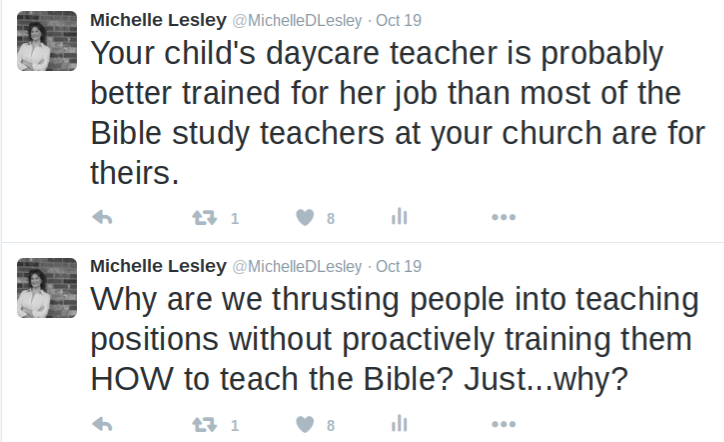
I hear this kind of thing over and over and over again. Churches aren’t even attempting to train people to properly teach the Bible, and Bible study “teachers,” (often through no fault of their own) either don’t know they need to be trained, or don’t have training available to them, or they’re unwilling or unable to put in the time and effort to be trained and to prepare lessons.

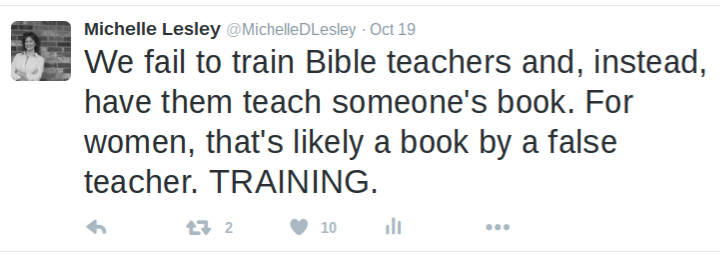
We have classes that need teachers, so we take whoever is available and willing, and we stick them in front of a group of people, hand them a take out bag of McBible Studies written by the celebrity Christian du jour and say, “Here. Feed the church family.”

That’s a problem in and of itself, first and foremost, because relying solely on pre-fab studies due to the fact that no one is trained to instruct the people of your church in the word of God isn’t biblical. The Bible says that pastors, elders, and teachers in the local church body should be “able to teach.” Not facilitate. Not read aloud what someone else wrote. Not “able to work a DVD player.” Teach.

But recruiting “teachers” who are unskilled in handling God’s word to lead a pre-packaged study often morphs into another dangerous problem, especially in the area of women’s Bible study: importing false doctrine into your church. Here’s a list of LifeWay’s top selling books for 2015. Every single non-fiction book on this list that’s likely to be used for a women’s group or individual Bible study (seven of the twelve by my count- which is a staggering proportion considering LifeWay also sells men’s studies, theology books, training manuals, “Christian living” books, and a wide variety of other non-fiction topics, but I digress) is written by a false teacher. Every. single.one.
screenshot-2016-11-10-at-12-31-31-pm

In my research of women’s Bible study authors and teachers, I estimate that approximately ninety-five per cent of the the female authors and teachers on the shelves at your local Christian retailer are false teachers. That goes way beyond a biblical “diet” laden with cholesterol and fat. Now, we’re talking about spiritual food tainted with E.coli. If you’ve got a woman in your church who’s facilitating a class using materials by one of these false teachers because she’s not competent enough in God’s word to teach the Bible, how in the world is she going to be able to catch and correct the false doctrine these Christian celebrities are teaching her class?

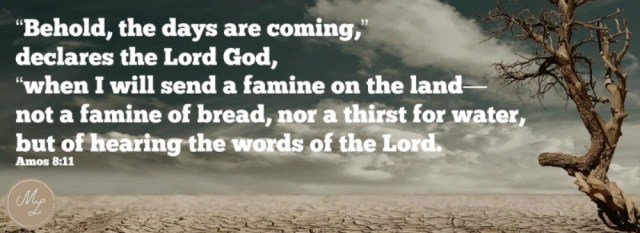
The answer is: she’s not. In fact, her awareness of her own incompetence in Scripture and her assumption that the Christian celebrity knows what she’s talking about (Because, after all, she’s a celebrity and LifeWay sells her materials, so she must know what she’s talking about, right?) will have the exact opposite effect. She will downplay and keep quiet about any nagging doubts – assuming she knows her Bible well enough to even have those doubts – in her own mind that the Christian celebrity is teaching things contrary to sound doctrine, and she will affirm the false doctrine that’s being taught. Then, this harmful bacteria of false doctrine will spread from woman to woman and class to class, and discerning women, knowing that the kitchen is contaminated, will grow emaciated from a lack of clean cuisine to feed on. We end up with a church full of “Bible” study and Sunday School classes that teach fluff and false doctrine instead of the unadulterated word of God. To borrow from Coleridge: “Food, food, every where, nor any bite to eat.” We’ve got a famine of God’s word, right in His very own house.
Church, pastors, women’s ministries- we’ve got to put a stop to this. People teaching Sunday School, Bible study classes, and, particularly, women’s Bible study classes must be trained in basic hermeneutics, the competent handling of God’s word in context, and the ability to teach sound doctrine as well as to refute the false. Do we not believe Scripture, or somehow think our church is exempt from it, when it says:

Do your best to present yourself to God as one approved, a worker who has no need to be ashamed, rightly handling the word of truth. 2 Timothy 2:15

or

Not many of you should become teachers, my brothers, for you know that we who teach will be judged with greater strictness. James 3:1

Where is our fear of God and our obedience to His word? We would never think of letting an untrained, incompetent teacher teach our children math or science in school when all that’s at stake is their academic education. Why are we satisfied to let untrained people teach the Bible at church when people’s eternities are at stake?

It doesn’t take years of seminary training. I never went to culinary school, but I’m still able to cook and feed my family a healthy diet because of what I’ve learned from others. Pastors can train teachers. Skilled Bible teachers can train others to teach. There are even great books and materials that can help as you teach people how to teach the Bible.

A doctrinally sound book study can be a fun, interesting, or useful supplement to the regular, straight teaching of Scripture in a Bible study class, but even these shouldn’t be used in place of training teachers. The best theologian out there isn’t a living and active member of that class. He doesn’t know the strengths and weaknesses of the class’s theology. He can’t address their current struggles and questions. He doesn’t love them, care about them, pray for them, and labor in the Word for them.

Only real life, trained, biblically competent teachers can do those things. They are vital and they are irreplaceable.

So let’s quit shoving Happy Meals into the hands of women who are starving for the pure milk and meat of God’s word. Let’s offer some cooking classes and set the table so the members of our churches can sit down to a healthy, home cooked diet of nourishing food that will help them grow to spiritual maturity in the grace and knowledge of the Lord Jesus Christ.

And, now, if you’ll excuse me, I’ve got to go start supper.
Apologetics, Bible

Without Apology: 7 Reasons Not to Be Ashamed of the Hard Parts of the Gospel

7-not-ashamed

I am not ashamed of the gospel…

Romans 1:16ย is such a great verse, isn’t it? And one of the things that’s great about it is that we can all agree on it. I mean, no self-respecting Christian would dream of saying she’s ashamed of the gospel, would she?ย It’s a rallying cry for evangelism and for standing against persecution.ย Of course we’re not ashamed.

In theory. But in practice?

You see, the gospel is the good news of salvation. And, while we don’t tend to share the entire Bible when we share the gospel with someone, the good news starts in Genesis with a holy God who created a perfect world, and moves on to the first people who messed everything up with their sin, a whole bunch of subsequent people who couldn’t be faithful to God and keep His Law, Christ and His redemption of sinners, and the Revelation of the hope of His return at the end of time. So, “the gospel” really stretches from the front cover of your Bible to the back cover.

Are there any parts of it you shy away from in evangelism, discipleship, or teaching?

What about the atheist you’re witnessing to who denigrates your God for committing genocide in the Old Testament?

Were you afraid to speak up the last time you were the only Creationist in a room full of evolutionists?

Have you ever seen some poor pastor or male teacher tiptoe his way through the minefield of a passage on marital submission or the biblical role of women in ministry lest the wrath of church ladies befall him?

Are you reluctant to be known as someone who believes and will unequivocally say that homosexuality and other deviant sexual behavior is a sin?

Hey, we’ve all been there and failed. These are tough passages for sinners to hear, after all! When they come up, we should certainly approach them wisely and lovingly with people, but we should take care never to wish these things (and others) weren’t in Scripture, feel embarrassed about them, apologize for them, or act as though we have to make excuses for God about them. We need to be just as willing, bold, kind, and comfortable saying, “The world did not evolve, God created it,” and “You must repent of homosexuality along with all your other sin,” as we are saying, “God is love.” Why?

1. The Bible is God’s word.

Scripture is the very words of the God of the universe. It’s not a storybook or a policy and procedure manual dreamed up by men. Scripture isย God speaking to us. To be ashamed of any part of His word is to be ashamed of Him, what He has done, and who He is. We dare not.

2. The Bible glorifies God.

The mere existence of Scripture brings honor and glory to God. No other god has spoken personally, so magnificently, and in a living and active book, to his people. The Bible brings glory to God when His people believe and obey it. We exemplify His goodness and holiness to a watching world. And even when the Bible isn’t believed and obeyed, God is glorified by showing us in His word that His way is right and perfect and man’s way is not.

3. The Bible is perfect.

God didn’t leave anything out of the Bible or put anything extra in that shouldn’t be there. The Bible is perfect just the way it is. God doesn’t need us to help Him out by editing it. If He wanted it to say something different, it already would.

4. The Bible is right.

When God’s word says something is a sin, it is right. When God’s word tells us He, in His holiness, did something we think is unfair or distasteful, it is right. When God’s word requires us to do something, it is right. When someone balks at what the Bible says, it’s not the Bible that’s wrong. It’s that person’s sinful flesh that thinks it knows better than God what is good, appropriate, loving and fair. If a person comes up against the Bible, the Bible does not bend. That person bends. The knee. To God. If you are standing on the rightly divided word of God, you can be confident that you are in the right because the Bible is right. There’s no need for reticence.

5. The Bible is a blessing.

If you’ve ever studied the history of how you got the Bible sitting on your coffee table, you know just how amazing it is that you own one. Thousands of years, scores of writers, so many people who were martyred for penning it, protecting it, and translating it. How could we be ashamed of such a precious gift from God Himself?

6. The Bible is good for us.

God put those tough passages in the Bible because they’re good for you. And they’re good for the person who’s foaming at the mouth over the one you’re trying to explain to her, right now, too, she just doesn’t know it yet. God is a kind and loving Father who always does what is best for us. Those difficult passages would not be in the Bible if God didn’t want them there to benefit us in some way.

7. The Bible is useful.

ย I can’t say it better than Scripture itself does:

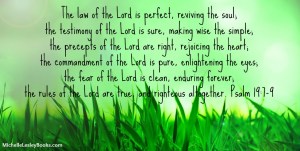
All Scripture is breathed out by God and profitable for teaching, for reproof, for correction, and for training in righteousness, that the man of God may be complete, equipped for every good work. 2 Timothy 3:16-17

God uses every verse of Scripture – even the hard ones – to save us, grow us, conform us to His will, equip us, and reveal Himself to us. Why would we deny those saving, growing words to people who desperately need to hear them by shying away from them just because they’re difficult to say or unpleasant to hear?

Steve Lawson once said, “The Bible is not hard to understand. It is just hard to swallow.” And he’s so right. It’s not difficult to understand the concept that wives should submit to their husbands or that the God who sovereignly gave people life has every right to take it away. What’s difficult for us is to humble ourselves and cede control to Someone else. We think we know best. We want to run things and make the rules. We don’t want to submit to God’s authority.

In the end, there really aren’t any tough passages. There are only passages that come up against tough hearts. Tough hearts that need to be broken by the gospel, that they might repent of their sin and be forgiven by a great and merciful God.

And that’s nothing to be ashamed of.

ps-19-7-9

Calvinism/Arminianism, Mailbag

The Mailbag: What is Reformation Day?

The Protestant Reformation. Outside of biblically recorded events and the closing of the canon of Scripture, it is arguably the most important event in church history, and one of the most important events in world history as well, yet many Christians today are unaware of this landmark incident in their heritage which birthed the Protestant church.

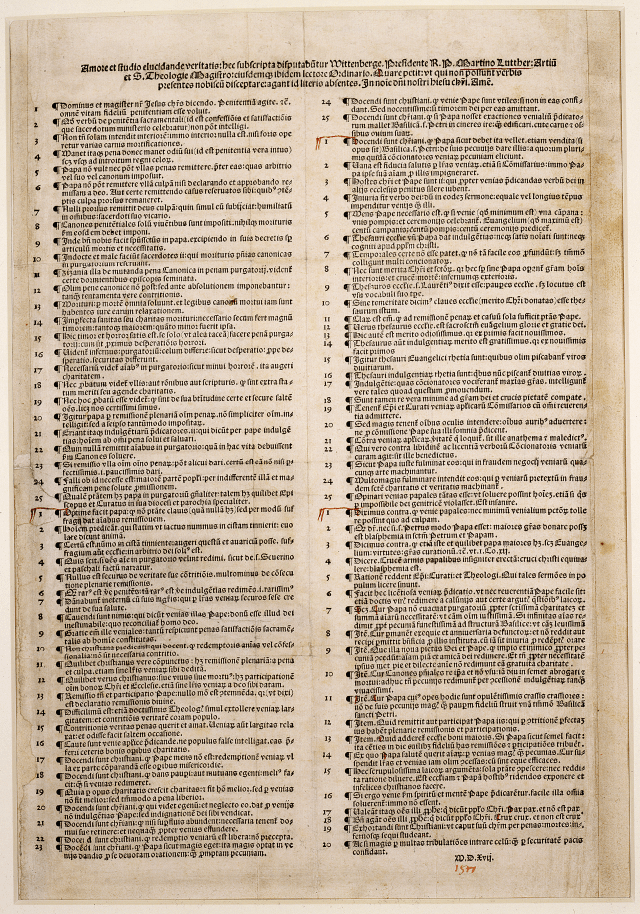
The year was 1517. A monk named Martin Luther gripped his hammer and nailed a list of biblical grievances against the Roman Catholic Church to the door of Castle Church in Wittenberg, Germany, much like we might post a notice to a community bulletin board today. These 95 Theses protested the Catholic Churchโ€™s unbiblical policy of selling indulgences,  part of an effort to raise funds for the building of St. Peterโ€™s Basilica in Rome. The Catholic Church had created the idea of the Treasury of Merit, sort of a โ€œbank accountโ€ of merit deposited by Christ, Mary, the saints, and others as a result of their good works. When church members sinned, they could purchase an indulgence, which was akin to asking the Church to โ€œtransfer fundsโ€ from the Treasury of Merit to the sinnerโ€™s account. The indulgence basically excused the sinner from a certain amount of time in purgatory and/or temporal punishment for that sin.

In addition to protesting the sale of indulgences, Lutherโ€™s 95 Theses called the Catholic Church to conform to Scripture by abandoning its unbiblical practices and teachings regarding the doctrines of salvation, religious authority, the nature of the church, and the essence of Christian living.

Lutherโ€™s calls for reform spread quickly throughout Europe, inspiring the likes of church fathers Ulrich Zwingli (Zurich), John Calvin (Geneva), and John Knox (Scotland) to join the effort in their own locales. As they worked to address the issues raised in Lutherโ€™s document, these men codified what we know today as the โ€œFive Solas of the Reformation,โ€ the basis of Protestant church doctrine. The five solas are:

1. Sola Scripturaโ€“ Scripture alone is the basis for all church doctrine, belief, and practice. (2 Timothy 3:16-17)

2. Sola Gratiaโ€“ Salvation is by grace alone. It is an unmerited gift of God based solely on His goodness, not our own (because we donโ€™t have any). (Ephesians 2:8-9)

3. Sola Fideโ€“ Salvation is through faith alone. Faith is a gift bestowed by God. We are saved only by placing that faith in Christโ€™s finished work on the cross, not by doing good works or by any other attempts to earn salvation. (Ephesians 2:8-9)

4. Solus Christusโ€“ Salvation is found in Christ alone. As Acts 4:12 says, โ€œAnd there is salvation in no one else, for there is no other name under heaven given among men by which we must be saved.โ€

5. Soli Deo Gloriaโ€“ God saves man for Godโ€™s glory alone, and Believers are to live our lives to glorify Him alone. (Romans 11:36)

One of Lutherโ€™s most cherished ideals, from which we still benefit today, was that common people should have access to both the Scriptures and worship services in their own language. Prior to the Reformation, the Bible was only available in Latin. Likewise, all masses and other church services were conducted in Latin. Luther translated the Bible into German, and was later followed by William Tyndale, Myles Coverdale, David Brainerd, and others who translated the Bible into various languages.

On Reformation Day, we commemorate the work, zeal, and sacrifices of Luther and the other reformers. Reformation Day is observed on October 31.


Additional Resources:

Why do we celebrate Reformation Day? – A Word Fitly Spoken

What are the 95 Theses of Martin Luther? – Got Questions

Why Weโ€™re Protestant: The Five Solas of the Reformation and Why They Matter by Nate Pickowicz

Luther: In Real Time (podcast)-  Ligonier Ministries

Reformation Resources to Feed your Heart and Mind– G3 Ministries

Mailbag

The Mailbag: My “Christian” Family Member Bears Rotten Fruit

mailbag


I have a family member, *Fran, who claims to be a Christian, but follows several major false teachers, drinks, habitually lies, is very proud, boastful, and manipulative. She has been shown that these teachers are false but chooses to follow them anyway.

Should I treat her as though she were a sister in Christ by going to her and rebuking her and going through the โ€œdisciplinaryโ€ steps in hopes of reconciliation? Or should I go about it as if she werenโ€™t a sister in Christ?ย  I have been praying for her and for wisdom for myself to handle this in a God honoring way.
(*Name changed)

It’s always difficult to watch a loved one choose sin over Christ and false doctrine over sound doctrine. Praying for Fran and for God’s wisdom and guidance are the first and best step.

You’ve asked about “going through the ‘disciplinary’ steps in hopes of reconciliation.” I believe what you’re referring to here is the process described in Matthew 18:15-17:

If your brother sins against you, go and tell him his fault, between you and him alone. If he listens to you, you have gained your brother. But if he does not listen, take one or two others along with you, that every charge may be established by the evidence of two or three witnesses. If he refuses to listen to them, tell it to the church. And if he refuses to listen even to the church, let him be to you as a Gentile and a tax collector.

This is the basic outline Christ has given us for disciplining sin in the local church. One thing to notice about that last step is that if the person sinning does not listen to the church, the church is to excommunicate (remove, or disfellowship) him from membership and regard him as someone who is lost and in need of the gospel. This brings us to the question of whetherย Fran is a member of your church or another church. A church obviously can’t excommunicate someone who isn’t a member of that church. This helps us to see that each local body is responsible for disciplining its own members.

If Fran is a member of your church, then, yes, the steps in the Matthew 18 passage should be applied. The wisest course of action, especially if you’ve never done something like this before, is to seek the counsel of your pastor or an elder as to the best way to approach Fran and handle the meeting. Set aside some one on one time to talk to Fran, and be sure you listen to her as well. Part of that one on one meeting is forย you– to make sure you are correctly assessing the situation, not, for example, reacting to a rumor you heard, a misunderstanding of an incident, etc. Lovingly and humbly point her to the Scriptures she has transgressed. Pray with her if she is willing.

After that initial meeting, give her some time to consider what you’ve said and to respond to the Holy Spirit’s work in her heart. Check back in with her at a later date and find out if she has repented. If not, prayerfully gather two or three others Fran likes and respects and repeat the process. If she still doesn’t repent, take those two or three people, meet with your pastor or the appropriate elder, and seek his guidance on the next step to take.

You didn’t specify in your e-mail, but it sounded as though Fran is not a member of your church. In this case, you really don’t have any ecclesiological redress (i.e. excommunication) to back you up. What you have is a family member who appears to be a false convert because she is bearing the fruit of someone who is unsaved rather than the fruit of someone who is saved.

I would again encourage you to meet with your pastor, an elder, or a godly, older, spiritually mature woman at your church for counsel as to the best way to proceed. It might be possible to carry out the first two steps of the process simply as an act of love and concern, considering what steps you would take in your personal relationship with Fran if she refuses to repent. First Corinthians 5:9-13 is a good passage to study as you consider this situation:

I wrote to you in my letter not to associate with sexually immoral peopleโ€” not at all meaning the sexually immoral of this world, or the greedy and swindlers, or idolaters, since then you would need to go out of the world. But now I am writing to you not to associate with anyone who bears the name of brother if he is guilty of sexual immorality or greed, or is an idolater, reviler, drunkard, or swindlerโ€”not even to eat with such a one. For what have I to do with judging outsiders? Is it not those inside the church whom you are to judge? God judges those outside. โ€œPurge the evil person from among you.โ€

This passage is also written to the church body regarding church discipline, but we can glean from it, as well as from the Matthew 18 passage, that there is to be some noticeable degree of separation between Christians and individuals who call themselves Christians yet unrepentantly persist in sin.

As you mentioned, the whole point of lovingly confronting someone you care for about her sin is to – for the good of her own soul – point her back to Christ so that she may first be reconciled with Him through repentance and forgiveness, and then be reconciled with her church family and others. Two good Scriptures to remember and take to heart when we have no other choice but to approach a sinning sister are:

And as you wish that others would do to you, do so to them. Luke 6:31

For with the judgment you pronounce you will be judged, and with the measure you use it will be measured to you. Matthew 7:2

It can be difficult, painful, and embarrassing to hear someone tell you you’re in sin. Put yourself in that sister’s shoes. Treat her as kindly and mercifully as you would want someone to treat you.ย Weย never confront another in her sin with the motive of shaming, punishing, seeking revenge, or proving her wrong and ourselves right. That is not the gospel. It is not how Christ treats us when we sin. If she repents when you approach her, forgive and rejoice with her in the good work Christ has done in her heart.

Additional Resources:

What is Excommunication in the Bible? at Got Questions

What does the Bible say about church discipline?ย at Got Questions

A Church Discipline Primerย at 9 Marks

In Order that You May Know at Grace to You


If you have a question about:ย a well known Christian author/leader, a Bible passage, an aspect of theology, a current issue in Christianity, or how to biblically handle a family, life, or church situation, comment below (Iโ€™ll hold all questions in queue {unpublished} for a future edition of The Mailbag) or send me an e-mail or private message. If your question is chosen for publication, your anonymity will be protected.

Sin, Throwback Thursday

Throwback Thursday ~ 9 Things that Are Still Sins Whether We Agree or Not

Originally published June 19, 20159 still sins


I do it all the time, Mother, and I’ve decided something-
it’s not a sin.

I heard this line several years ago on a popular sitcom, spoken by an adult daughter to her Christian mother about a behavior the Bible unambiguously calls a sin. I mean, it’s right smack dab in the middle of the Big 10; “thou shalt not” and everything.

It’s one thing to say, “I know it’s a sin, but I don’t care. I’m going to do it anyway,” but how depraved is the world when they think they – in God’s place – are the ones who get to define what sin is? And what’s even worse is that the church has begun to adopt this audacious depravity as well, whether approving of sin by fiat or by simply ignoring God’s word and letting sin slide without rebuke.

When it comes to what’s a sin and what’s not, God made up His mind a long time ago. And He’s not changing it, regardless of what you or I or Joe Politician or Jane Celebrity might think. Maybe we all need a remedial course in hamartiology, so let’s start with the basics. These things are all still sins whether the world and the church agree with God or not:

1. Homosexuality

Let’s just get it out of the way right up front. I don’t care how many celebrity “pastors” and “Christian” authors twist God’s word to say otherwise, or how many people declare themselves to be (unrepentant, practicing) “gay Christians,” or how many homosexuals declare that God made them that way, God’s word is clear: homosexual lust and behavior are sins.

2. Abortion

Abortion is the taking of an innocent human life. We don’t murder people because they’re small or sick or inconvenient or will hinder our sucess. God didn’t say, “You shall not murder, except when…” He said, “You shall not murder.” Period.

3. Extra-Marital (Heterosexual) Sex

Adultery, fornication, whatever form it might take, if you’re not legally married to the person you’re engaging in sexual activity – up to and including actual intercourse – with, you’re sinning.

4. Cohabitation

See #3. And don’t try to whitewash it by saying you’re living together but not sleeping together. A) The Bible says we’re to flee temptation, not move in with it, and B) we’re supposed to avoid every form of evil, even the appearance of it. If you call yourself a Christian and you’re shacking up, you’re living in sin (that’s why they call it “living in sin”). Repent and move out or marry up.

5. Divorce

Yep, still a sin, except in two cases: unfaithfulness or an unsaved spouse leaving a saved spouse. In those two cases the spouse who was wronged is not sinning and is free to marry again.

6. Swearing

The air is saturated with it. Foul language coming from our TVs, music, movies, social media, and the people we’re around all day. But expletives have no place in the vocabulary of a Christian. Is your potty mouth on Saturday the same one you praise God with on Sunday?

7. Taking God’s Name in Vain

It’s gotten to the point where we think so little of casually punctuating our sentences with, “Oh my G-d,” ย or using the name of Jesus as an exclamation that pastors are even doing so from the pulpit these days. God’s name is high and holy and should be spoken only reverently and worshipfully. How can we look people in the eye and call them to repentance and faith in a Person whose name we use as a cuss word?

8. Gluttony

We have almost completely amputated gluttony from the spiritual realm by cordoning it off as merely a physical or medical issue. We’ve renamed it “overeating,” but that doesn’t change the fact that it’s a sin. God created good food for us to enjoy, but just as with all the other good gifts He gives us, He expects us to exercise Spirit-enabled self control when we receive it.

9. Female Usurpation

God makes it abundantly clear in His word that women are not to instruct men in the Scriptures or hold authority over them in the church. Women sin when they pastor churches, preach sermons in church, teach men in Sunday School classes, and hold other positions of authority over men in the church. Men, however, bear the primarily responsibility for this when they sin by failing to rebuke usurping women, or when women feel they have no other choice but to take on male responsibilities in the church because men are shirking their own duties before God.


We don’t get to decide what sin is. That’s God’s job. And all of us – whether we’ve committed one of these nine sins or not – are guilty of sinning against Him. That’s the bad news.

But, in Christianity, we never give the bad news without following it up with the good news. And, oh what wonderfully good news it is: forgiveness. Jesus paid for our sin at Calvary so that if we will only turn from it and trust Him, He will forgive us for all nine of these sins and countless others.

If we confess our sins, he is faithful and just to forgive us our sins and to cleanse us from all unrighteousness.
1 John 1:9