Uncategorized

In Case You Missed It…

There’s a lot of great stuff going on in Christendom lately, and I didn’t want you to miss out (especially if you’re not on social media)! So, “in case you missed it”…

Several weeks ago, just for fun and encouragement, I put out the call on social media for women who are using one of my Bible studies – either individually or in a class – to send in some pictures of their study time. Here are the responses I’ve received so far:
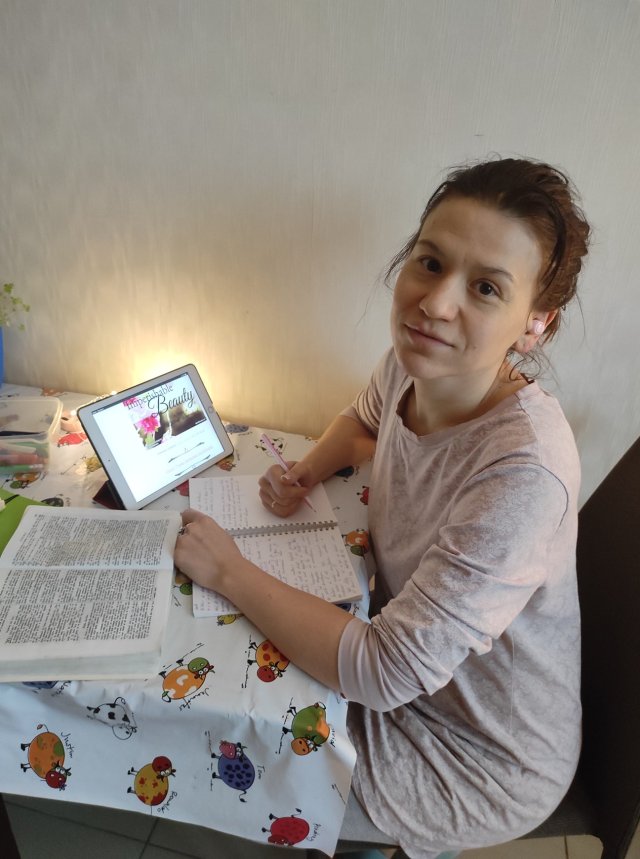
Natasha lives in Kiev, Ukraine and is currently working on Imperishable Beauty: A Study of Biblical Womanhood. (She has also completed Living Stones: A Study of 1&2 Peter.) Natasha says: “I pray that God will help me understand and study His Word. And this is not easy since I have 4 children and three of them are under the age of 4โ€ฆBut God is good to me.” I’m sure many of us can relate to that!
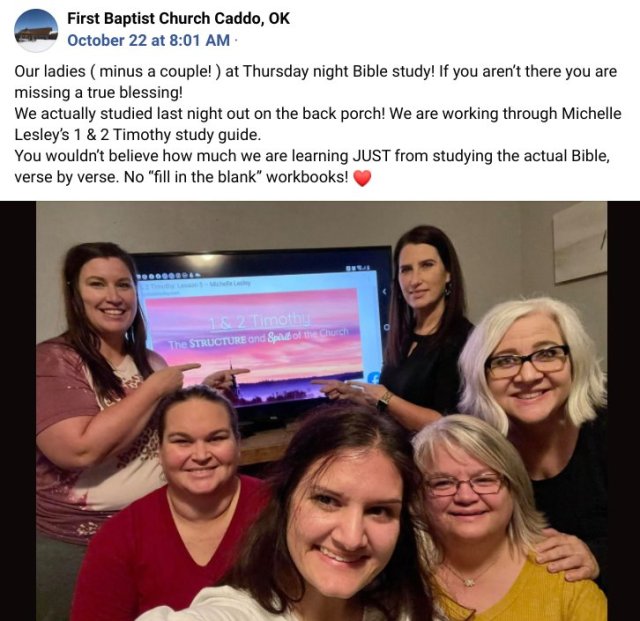
My friend, Robin Self says, “Our ladies are LOVING studying verse by verse!” They are working through 1 & 2 Timothy: The Structure and Spirit of the Church.
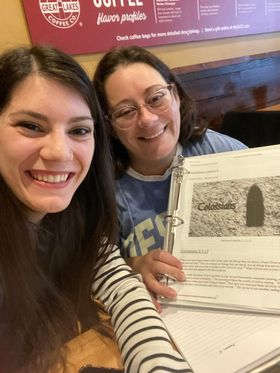
Megan says: “My friend Paige and I are working through the Colossians Bible Study!! Itโ€™s been so refreshing to actually study the Bible, not someoneโ€™s book!! We have a group on Facebook1 for people to join (WOMEN ONLY, but we’d love to have more ladies join us!) and watch any recordings if they canโ€™t meet. We got to meet in person for the first time this morning to work through the 5th lesson! Thank you so much for what you do!”

1Just a reminder, Facebook groups, pages, and Bible studies – even mine – are great, but they are not a biblical substitute for active, faithful membership in a local church.

Are you or your ladies’ group working through one of my studies? Send me a picture (email or social media private message), including the study’s title image, if possible, the name of the study you’re using, and a brief comment. I’d love to share it on social media and/or the blog!

Can you believe my A Word Fitly Spoken podcast partner, Amy Spreeman, and I have only spoken at one women’s conference together? We’d like to change that. If you’d like to book both Amy and me to speak at your next women’s event, please click here.

Did you know that G3 Ministries has a shiny new church finder? Check it out, and if your church isn’t listed, pass the link for the application page on to your pastor.

Don’t despair that you can’t find a church in your area or that there are so few listed. For a brand new site with an application process, this is quite a good number of churches. I’ve got it all linked up at my Searching for a new church? tab (in the blue menu bar at the top of this page), so you can keep checking back from time to time to see which new churches have been added.

If you’re looking for a new church right now and you can’t find anything near you on G3’s map, be sure to check out all the other wonderful church search engines and resources at Searching for a new church? I highly recommend the Founders and Master’s Seminary search engines.

And speaking of G3, the hits just keep on coming! You’ve loved their national conference, maybe you’re looking forward to a regional conference, and you’ve probably heard about their expository preaching workshops for pastors. But did you know they’ve added another workshop specially geared toward worship pastors?

Grab this link for G3’s first Biblical Worship Workshop, and pass it along to your pastor or worship pastor. (And you might want to tell them to hurry up and register. I’m really surprised it isn’t already at capacity.)

The singing portion of this video was recorded at my church. You can briefly see yours truly (at the 0:05 mark, near the top of your screen) in the pink glasses and black sweater. Fun stuff! :0)

Another reason I’m excited about this particular G3 workshop is that one of my own pastors, Laramie Minga, is going to be one of the instructors. He knows his stuff, and your pastor will really benefit from sitting under his teaching. (The other guys are good, too! :0)

Also, in case it wasn’t clear from my saying that this workshop is for pastors, this one is for men only, ladies, particularly men who are already pastors or who are on track to becoming pastors.

Interested in becoming a certified biblical counselor? Spring 2022 regional training events are coming to Baton Rouge, Louisiana, Bardstown, Kentucky, and Moore, South Carolina, so get signed up! Find out more about training and other events at the Association of Certified Biblical Counselors (ACBC) website.

Speaking Engagements

Report Back: Faber, Virginia Conference

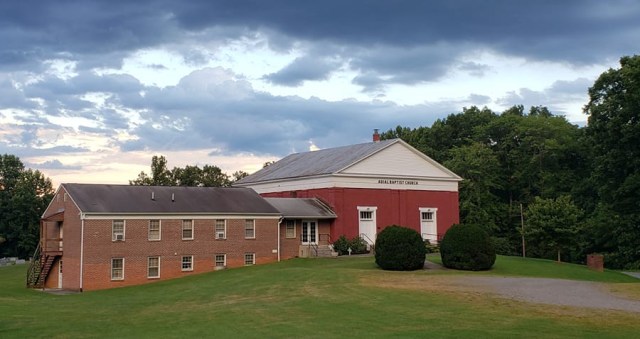
Recently, I traveled to scenic Faber, Virginia, and had a wonderful time sharing with the ladies of Pop Up Church, Adial Baptist Church, and many from the surrounding areas.

Tucked away amid winding country roads in the mountains of central Virginia,
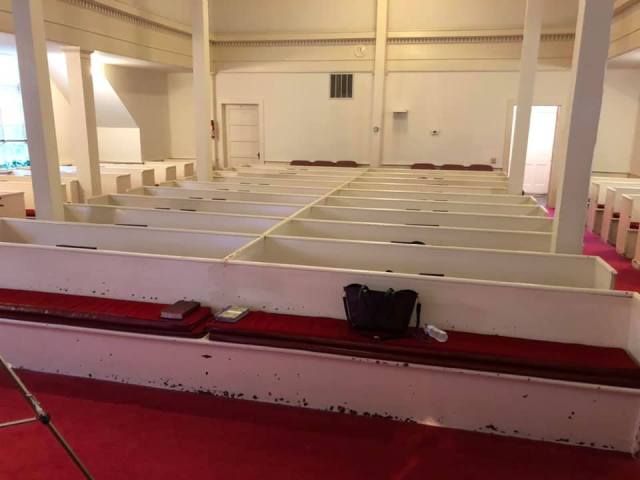
Adial Baptist is a beautiful, historic church built in 1856.
When ABC was first built, men and women were segregated during the service,
and even entered and exited through separate doors,
which you can see in the rear of the sanctuary.
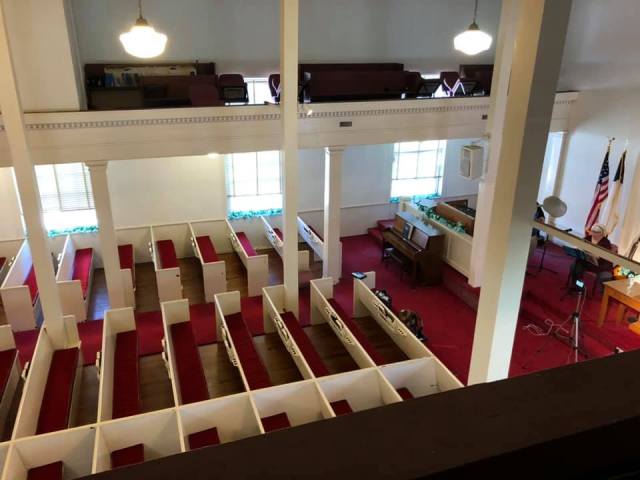
A sad reminder of our sinful past in the South. I am standing in one of the side balconies looking across to the other. This is where the slaves sat during the worship service. They also had separate entrances into the church.

The decor for the conference was welcoming and charming. The windowsills in the sanctuary were strewn with these delightful blue roses.

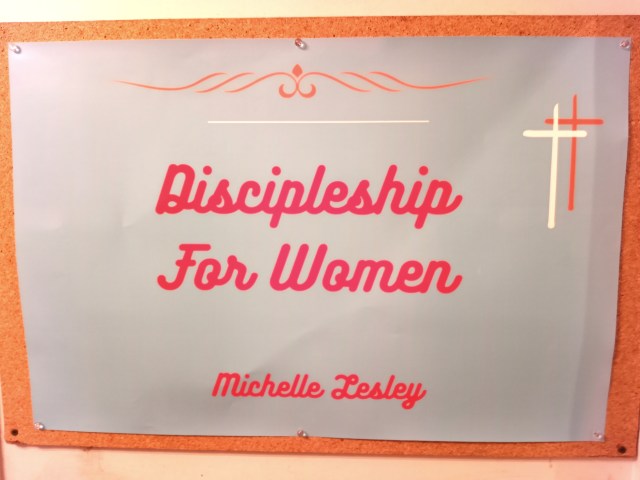
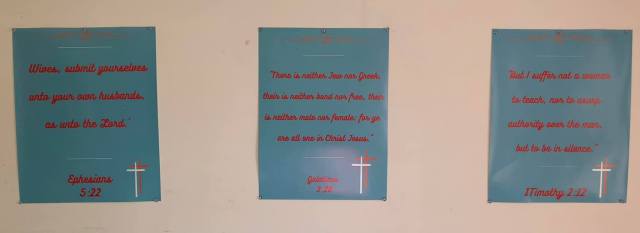
And don’t you just love these posters? The Bible verses were from my teaching sessions.

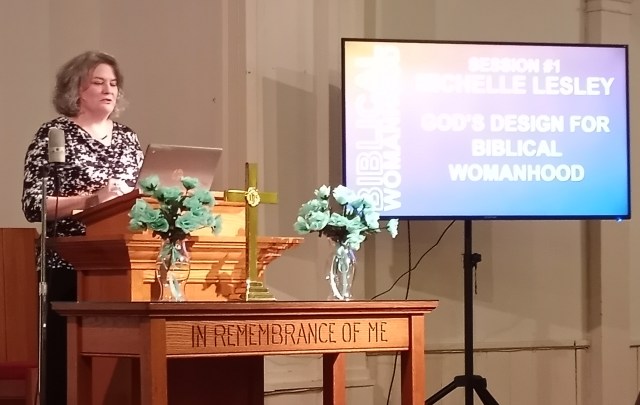
Friday night kicked off with a delicious lasagna dinner. Then, in our first teaching session, God’s Design for Biblical Womanhood, we looked at Godโ€™s unique design for womankind. God ingeniously created us differently from men because His creation wasnโ€™t complete without womanhood in the world.

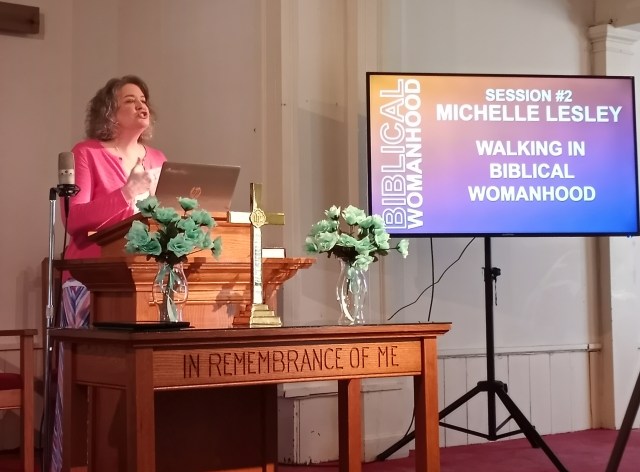
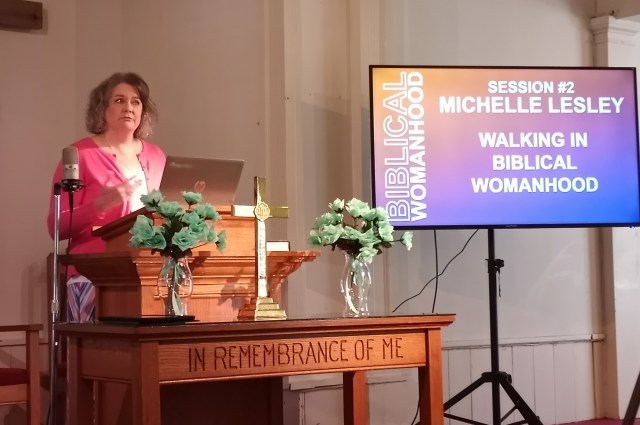
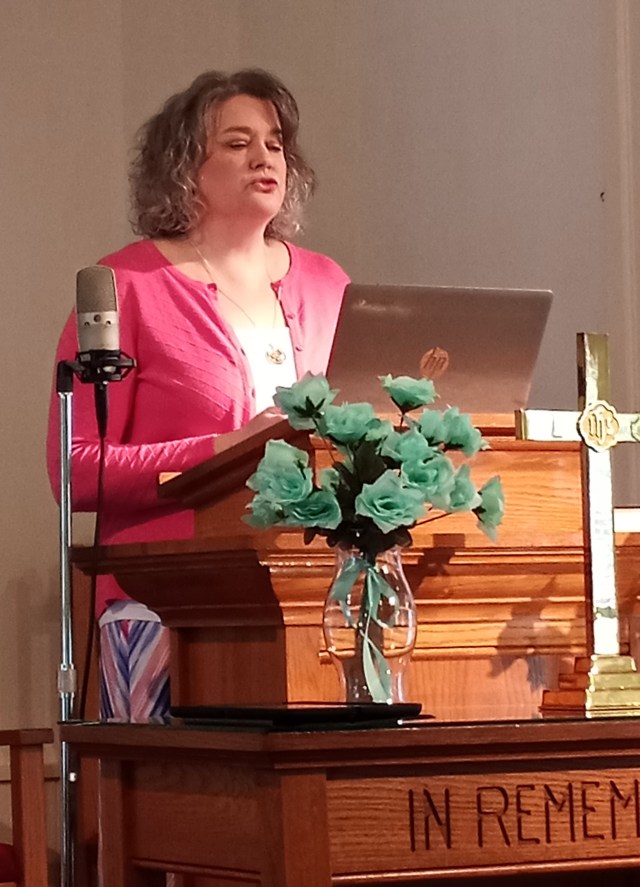
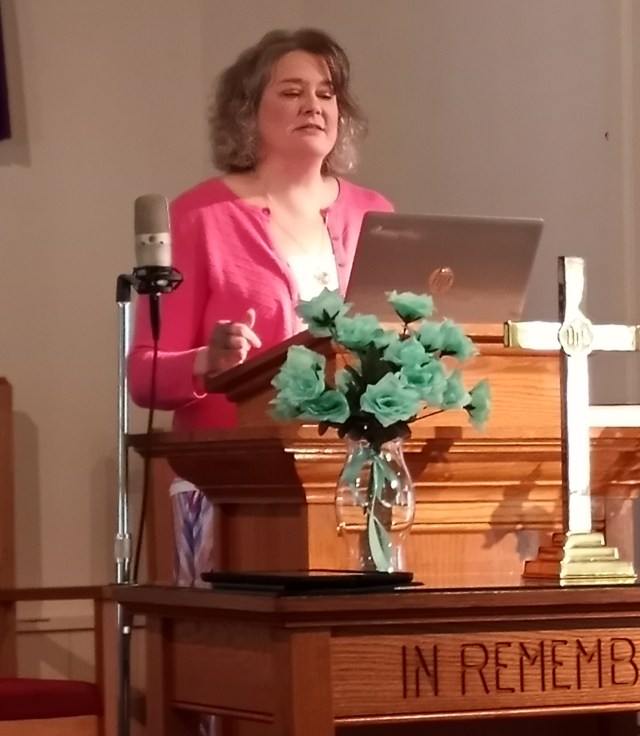
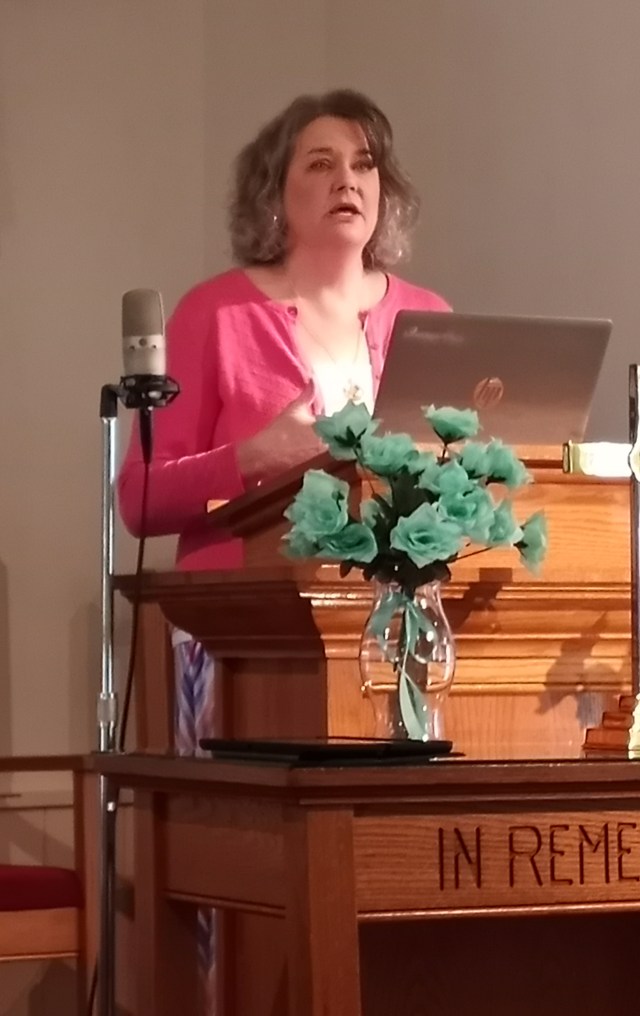
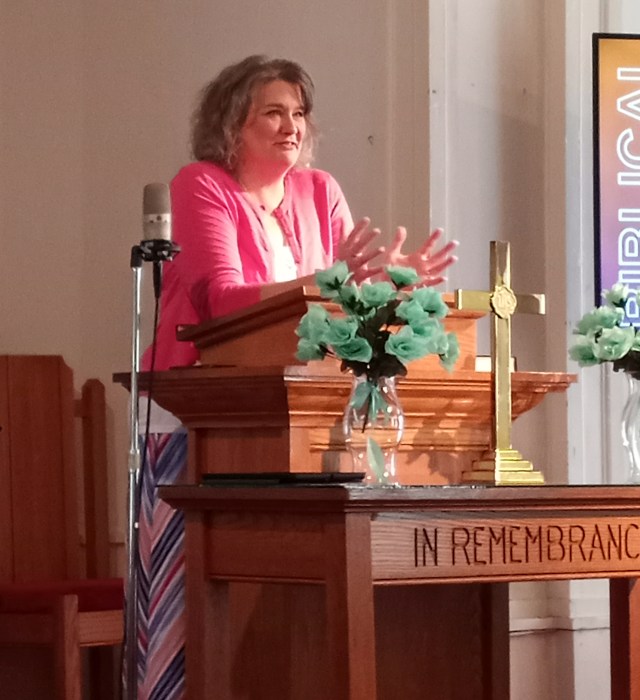
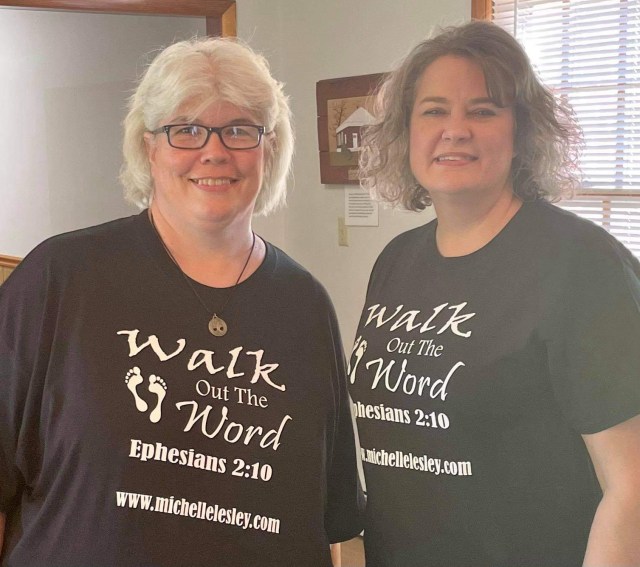
Saturday morning started with a wonderful time of doughnuts, coffee, and fellowship. In our first teaching session, Walking in Biblical Womanhood, we learned how to rock our role as godly women, walking out biblical womanhood in our day to day lives. Then we wrapped up the day with an awesome Q&A session.

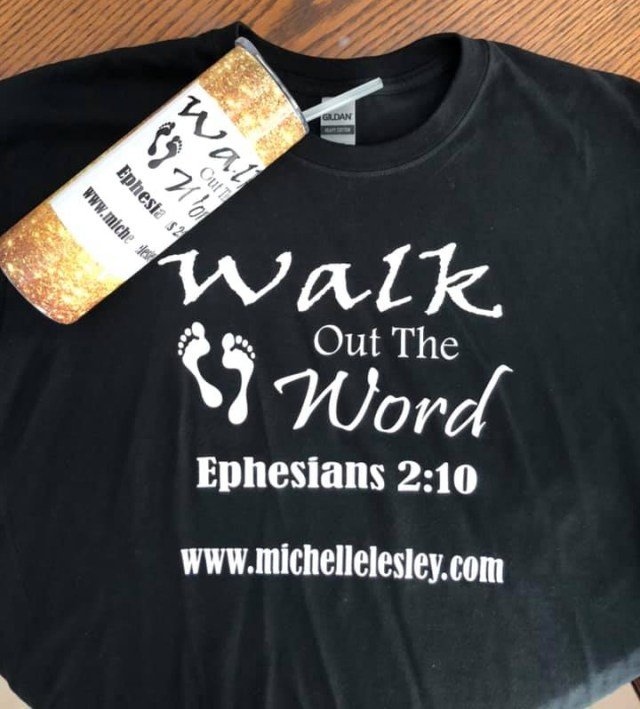
Conference swag and snacks! (Thank you to my anonymous friend who made me the beautiful potholder!)

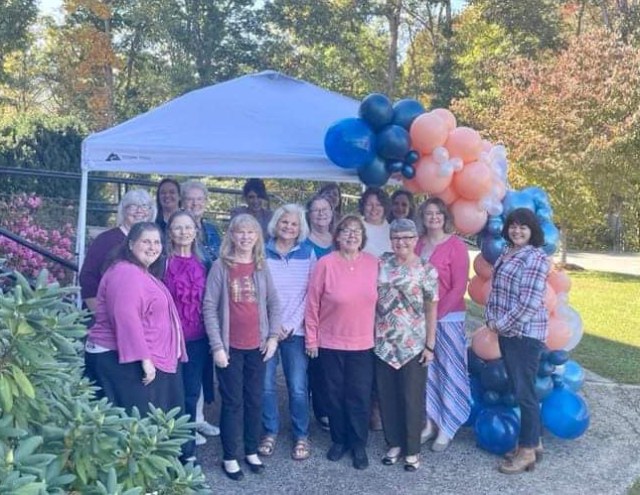
Some of the lovely ladies who attended the conference. I’m forever grateful to Melissa (in the burgundy top, bottom left), who was a superb hostess and went out of her way to make me feel at home and show me all the local points of interest. (Melissa also shared her photos and thoughts about the conference here.)

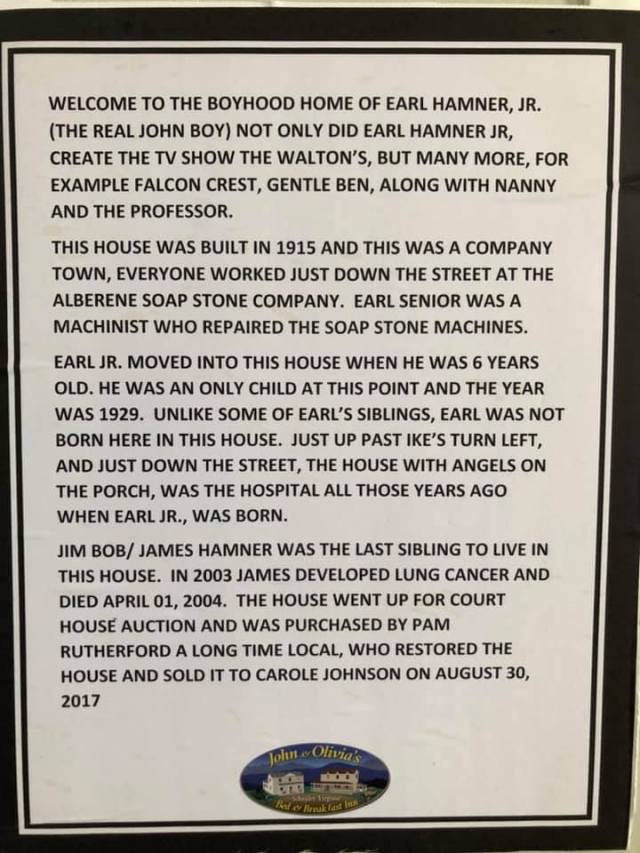
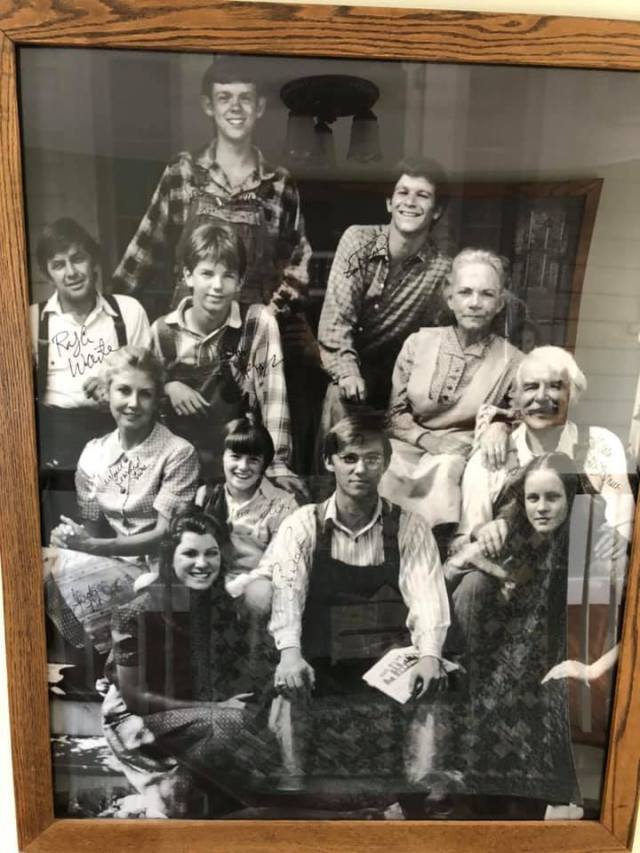
If you’re familiar with the television show, The Waltons, from the 1970’s, you may recall that it was based on the real life and memoirs of Earl Hamner. Earl was born and raised in Schuyler, Virginia, right down the road from where I was staying. He and Melissa’s dad even went to school together as children. Melissa was kind enough to take me up “Walton’s Mountain” to Schuyler to see all of the Waltons/Hamner sights.

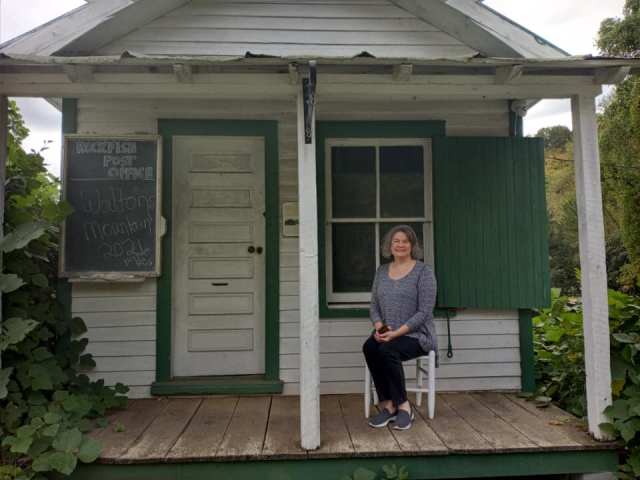
On the way up to Schuyler, we passed through Rockfish, a neighboring town that played a major part in the show. All that’s left on the main road is the old post office and the nearby railroad tracks.

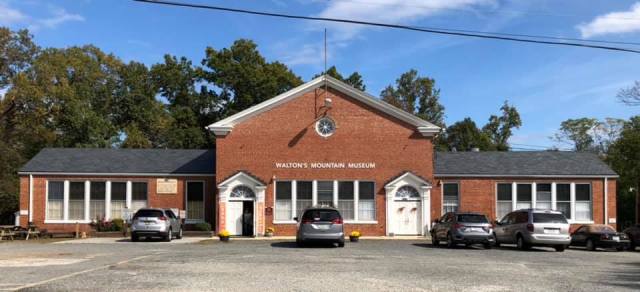
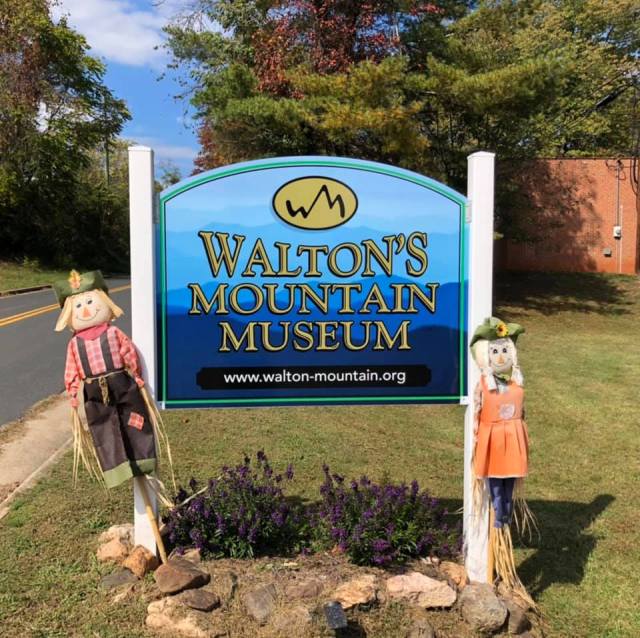
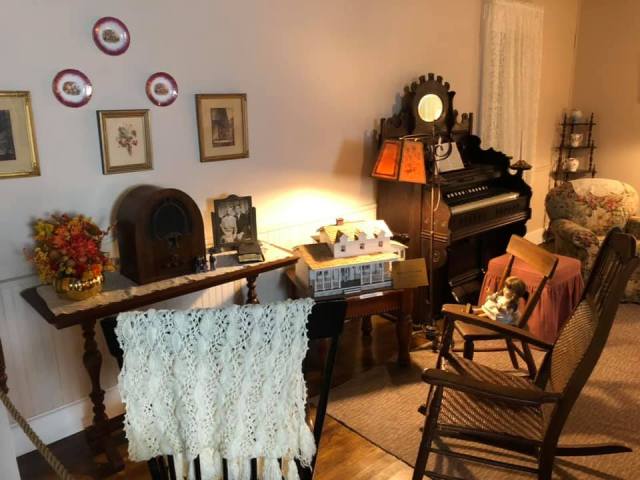
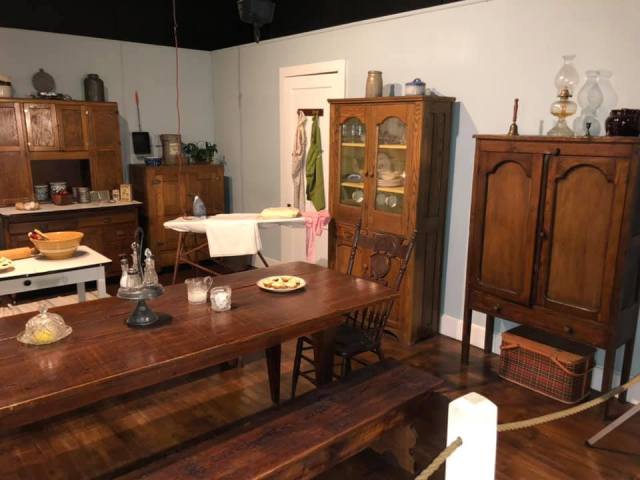
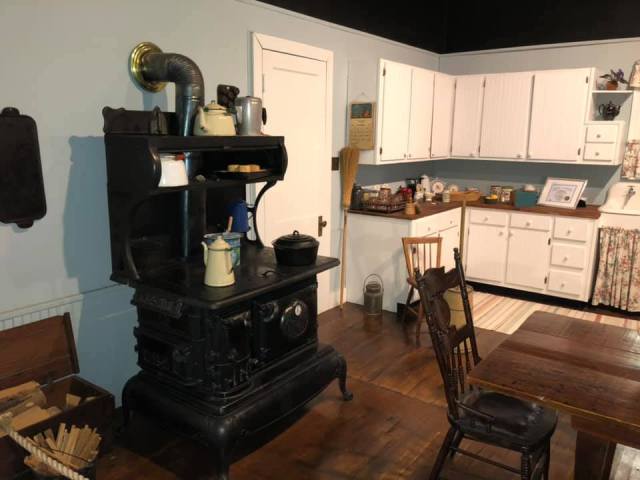
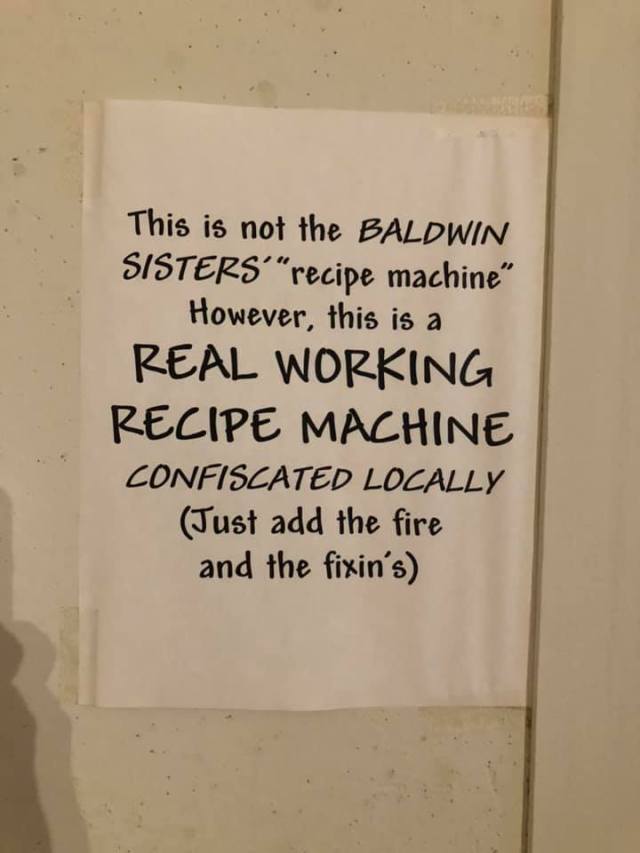
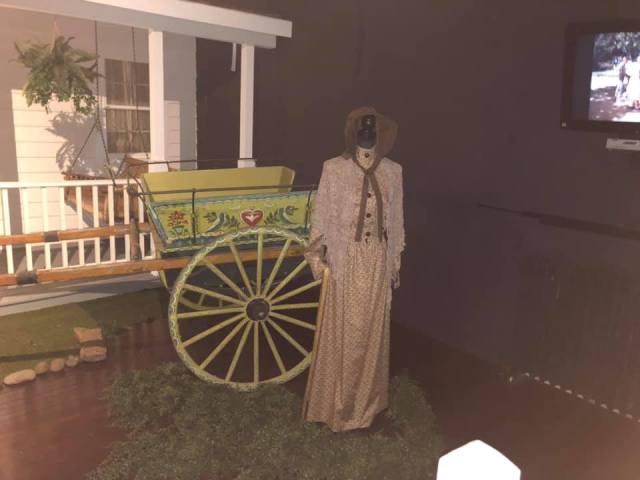
When we got to Schuyler, the first place we went was the Walton’s Mountain Museum. It is actually housed in the old Schuyler Elementary School where Earl Hamner (and Melissa’s dad) attended. They have converted several classrooms into replicas of the various sets from the television show: John-Boy’s bedroom, Ike’s store, the kitchen, the living room, and the Baldwin sisters’ parlor and “recipe machine”.

Across the street from the museum is a delightful bed and breakfast which was built to mimic the Walton home from the show.

Next door to the bed and breakfast was the actual house Earl Hamner grew up in.

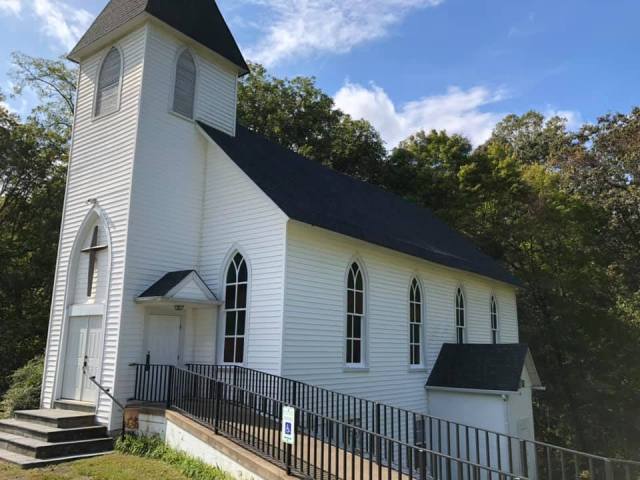
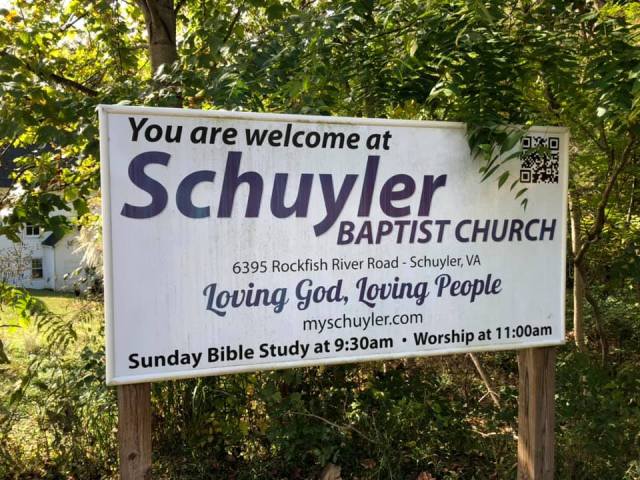
Nearby in Schuyler are Schuyler Baptist Church (the church the Hamners attended), the site of Ike’s store (the original store burned down in a fire years ago), and some other points of interest.

Many thanks to Melissa, Pastor Mike Hevener, and all of the ladies and gentlemen of Pop Up Church and Adial Baptist Church who worked so hard to put on a great conference and made me feel so at home.


If your church or organization is ever in need of a speaker for a womenโ€™s event, Iโ€™d love to come share with your ladies as well. Click here for more information.


Photo Credits

Photo of exterior of Adial Baptist Church and balloon photos courtesy of Adial Baptist Church.

All photos of Michelle by Melissa Morris.

All other photos by Michelle Lesley.

Church, Discernment

Throwback Thursday ~ Build the Wall and Station a Guard: A Plea for Pastors to Protect 6 Areas of the Church Vulnerable to False Doctrine

Originally published August 5, 2016

The Great Wall of China

The Wailing Wall

The walls of Jericho

Walls. Sometimes they go up, and sometimes they come a tumblin’ down. When I was a kid it was, “Mr. Gorbachev, tear down this wall!” Now it’s, “Elect me and I’ll build a wall between the United States and Mexico.”

There was a time in history when it was common practice for a city to have a wall built around its perimeter. Walls have historically been built for protection, to keep inhabitants safe from attacking marauders. When Israel returned to Jerusalem after Babylonian captivity, their first priority was to rebuild the altar – their focal point of worship. Next came the temple – to consecrate, or set apart, their worship. And, finally, the city wall – which protected everything, including their worship.

Today, when Christians plant a church, we start off with our focal point of worship, the author and finisher of our faith, Jesus Christ. He is the foundation of the church, the center of our worship, our rallying point.

As the church grows, we consecrate it, setting it apart from other organizations and gatherings by buying or constructing its own special building. It’s not a store or an office or a restaurant. It’s a church. It’s where believers gather to worship, fellowship, and be trained in God’s word.

But somehow we never get around to protecting our churches from enemy attack. Indeed, it hardly ever occurs to most pastors and church members that there’s a need for a wall.

But there is. A huge need. And for some churches, it’s already too late.

Pastor, I plead with you- it’s time to build a wall around your church. A “walls of Jericho”-high wall. A chariot races on top- thick wall. And an armed guard posted at the gate. Not to keep out visitors or people who might look or act differently from your congregation- God forbid! It’s to keep out the false doctrine that’s infiltrating and attacking the Body in so many ways. And some areas of your wall are going to need extra fortification because they’re protecting these six vulnerable areas.
1. The Preaching of the Word

Pastor, the buck starts and stops with you. Are you preaching the Word? In season and out of season? Are you rightly handling God’s word? Preaching sound doctrine and rebuking those who contradict it? Declaring the whole counsel of God? Or is your focus on preaching to entertain, to keep people happy, to encourage giving, or to keep from rocking the boat? Only you can answer these questions. Strong preaching is the first step in building a strong wall to protect your church.

2. The Teaching of the Word

How much do you know about how, and what, your Sunday School, Bible study, or other small group leaders teach? Have you ever observed, evaluated, or interviewed any of your teachers? Does your church have any formal qualifications for teachers? Are they required to go through any sort of training? Who are their spiritual influencers? Which celebrity pastors and authors are they recommending to their classes?

A teacher who is listening to or reading materials by false teachers during the week is going to have her theology shaped by those false teachers, and she’s going to bring that warped theology into the classroom where it will infect the students. A teacher whose main discussion questions are, “How do you feel about this verse?” or “What does this verse mean to you?” is not handling God’s word properly and, thus, not properly training her students. Find out what’s going on in your Sunday School classrooms, and strengthen your wall by strengthening your teachers.

3. Sunday School/Small Group Curricula

Because so few teachers are properly trained, churches tend to rely heavily on the Sunday School curricula to do the actual teaching. Have you examined your curricula lately? Are the lessons anchored in copious amounts of rightly exposited Scripture or are they mainly comprised of inspirational stories and illustrations? Are the discussion questions watered down pablum or do they challenge people to think and search the Scriptures for understanding? Does the curriculum recommend supplementary materials or music from doctrinally sound, or questionable, sources? Does the curriculum recommend “homework assignments” that include unbiblical practices such as contemplative prayer or yoga? Build a solid wall with solid curricula.

4. Women’s Bible Study

This is an area of your wall which needs major fortification. In many churches, it is the primary avenue through which false teaching infiltrates the Body. Is your women’s ministry using studies or materials by a best selling author like Beth Moore, Priscilla Shirer, Christine Caine, Joyce Meyer, Lysa TerKeurst (Proverbs 31), Jen Hatmaker, Lisa Harper, Lisa Bevere, Victoria Osteen, Jennie Allen, Rachel Held Evans, Ann Voskamp, Sheila Walsh, or anyone with “Jakes” in her name? Are they attending conferences, retreats, or simulcasts headlined by any of these people? Then the women of your church are being taught false doctrine. Your men’s Bible study curriculum also needs to be examined, but women’s Bible study is a major foothold of false doctrine.

5. Music

If your church uses KLOVE’s playlist to formulate its worship set, you’re probably importing false doctrine right into your worship service. You’ve got to vet both the lyrics (hymns don’t get a pass on this, by the way) and the artists for sound theology. When it comes to contemporary worship music, the most popular and common sources of false doctrine are Hillsong, Elevation, and Bethel/Jesus Culture. Here’s another good resource.

6. Ecumenism

Is your church partnering or fellowshipping with other local churches outside your own denomination? Are you thoroughly familiar with their beliefs and practices? Are those beliefs and practices biblical? Where do they stand on female pastors, elders, and teachers? Homosexuals as church members or leaders? Abortion? The inerrancy, infallibility, and supremacy of Scripture? Extra-biblical revelation? Signs and wonders? Works righteousness? Do they have a biblical statement of faith “on paper” but stray from it in practice? Not every organization that calls itself a Christian church actually is one by biblical standards, and we are not to partner or fellowship with those whose beliefs and practices do not line up with Scripture.

That’s a lot of vetting to do for a pastor who’s probably already overwhelmed and stretched thin. May I make a suggestion? Don’t try to do it alone. After all, those cities with protective walls hired soldiers to guard the gates. Is there an associate pastor who could take on vetting curricula and fellow churches and conference speakers? Is there a mature, discerning layman or woman you trust who would be willing to lend a hand with researching your music or women’s Bible study books? Do you have a “master teacher” capable of training your Sunday School and small group teachers? Ask your people for help. Use the able. Train the willing. Get that wall built to shut out false doctrine, and station your armed guards at the gates to check out everything that comes in.

The enemy is out there, dear pastor. Let’s make sure that’s where he stays.

Judges Bible Study

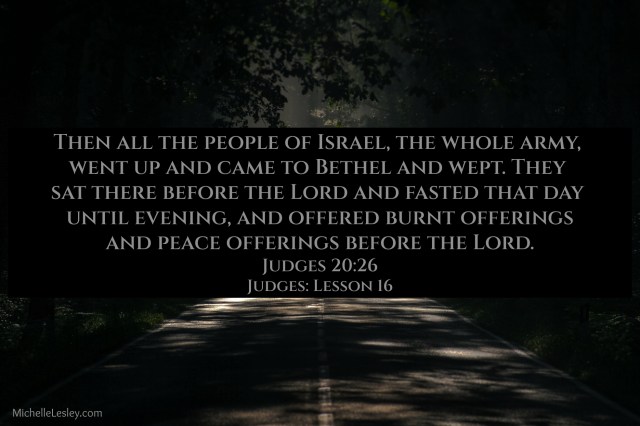
Judges ~ Lesson 16

Previous Lessons: 1, 2, 3, 4, 5, 6, 7, 8, 9, 10, 11, 12, 13, 14, 15,

Read Judges 20

Questions to Consider

1. Go back to lesson 3 (link above) and review your answer to the first part of question 5, Israel’s pattern of sin and repentance in 2:16-23. How does today’s passage fit this pattern? How does today’s passage fit the theme verse of Judges (21:25), “In those days there was no king in Israel. Everyone did what was right in his own eyes.”?

2. Chapter 20 is a continuation of the story that began in chapter 19. Briefly review lesson 15 (link above) to refresh your memory.

3. Read 1-6. What does it mean that the men of Israel assembled “to the Lord”? (1) Why had the Levite dismembered his concubine and sent her body parts to each of the tribes of Israel?

No doubt what the men of Gibeah did to the concubine was heinous (5), but how did they have access to her in the first place? (Notice the Levite leaves out that part of the story.) What has the Levite’s sin of using his concubine – someone vulnerable and weaker than himself, someone he should have been protecting – as a piece of expendable property to protect himself led to? Trace this story back to its roots: explain how this entire story would have turned out differently if the Levite had played the man and defended and protected the concubine. Go even further back: would this story have even taken place if the Levite had followed God’s plan for marriage and was the husband of one wife instead of committing adultery with the concubine? How does this demonstrate the principle that sin begets sin?

Contrast the way the Levite treated this woman with a) the way God loves and values women and b) the way God wants men, especially husbands, to treat, love, and value women / their wives.

4. Read 8-17. Consider all the evil and sin we’ve seen one or more of God’s people commit in the book of Judges thus far. Has it been mostly “vertical” (directly against God) sin or mostly “horizontal” (directly against other people) sin? Which is worse? We’ve reached the climax of the book of Judges. Israel at long last sees the depravity of sin and is moved to action. What sin finally moves them – their own vertical sin of idolatry or someone else’s horizontal sin against the concubine, the Levite, and the community? Why is it easier to see and rightly respond to someone else’s sin rather than our own sin? Why do we often see horizontal sin as worse than vertical sin? How did the Israelites not see that their outrage and grief over the men of Gibeah’s sin was nothing compared to God’s outrage and grief over their sin of idolatry? How is it God’s grace to us to show us our sin against Him by letting us see one person’s sin against another?

Did Israel immediately go in and destroy the whole tribe of Benjamin? What was Israel’s initial demand? (13a) What was Benjamin’s response? (13b) What happened – how did things escalate – as a result of Benjamin’s covering for the men of Gibeah’s sin, refusing to hold the men accountable, and refusing to deal with sin in the camp in a biblical way? How does this compare to church discipline situations today? What effect does it have on a church when sin in the camp is ignored, covered up, and not dealt with in a biblical way? In what ways do we often put practical concerns ahead of doing things God’s way in situations like these?

5. Read 18-28. How many times did Israel inquire of the Lord in this passage? Compare their first (18), second (23), and third (26-28) inquiries. Why and how did each inquiry intensify? Were they demonstrating a worldly sorrow or a godly sorrow over their sin? Does this scenario remind you of this passage? How?

Verse 18 is the first place we’ve seen God present (see question 4 in lesson 15, link above) with His people in quite a long time. What has been standing between Israel and God, and what is the first thing He deals with when He “shows up”? Explain why sin is always the first thing that has to be dealt with and biblically resolved in any church’s or individual’s relationship with God.

Consider what happens to Israel in 18-28 in light of what Hebrews 12:5-11 says about discipline. How did God apply painful discipline to Israel in 18-28? Were they “trained by it,” and did this discipline “yield the peaceful fruit of righteousness” for them?

6. Read 29-48. Revisit the second part of question 4. What did Benjamin lose – practically / temporally and spiritually – by covering for the men of Gibeah’s sin, refusing to hold the men accountable, and refusing to deal with sin in the camp in a biblical way? Who actually defeated Benjamin? (35)

7. What did this chapter teach you about sin, sinners, and the nature and character of God?


Homework

Think about the most outrageous sin someone has committed against you or that you’ve seen committed against another person. Now compare that sin, and your grief and outrage over it to your own sin against God. How is it God’s grace to us to show us our sin against Him by letting us see or experience one person’s sin against another? How is our sin against God exponentially worse than one person’s sin against another? List three ways this should inform how you think about your own sin against God, and three ways this should inform how you think about others’ sin against you. Is there any way you’ve been sinning against God that you need to repent of? Is there anyone you need to forgive for sinning against you?


Suggested Memory Verse

Holidays (Other), Mailbag

The Mailbag: Halloween vs. Yoga?

I read your article Should Christians Participate in Halloween? and I am hoping to get a point cleared up in my head. I donโ€™t want to be legalistic, and hope not to come across that way. I am just very confused about it. I agree with you on every other theological point. But I donโ€™t see this as [adiaphora] in the same way I donโ€™t see practicing yoga as [adiaphora]. I asked you this same question last year and did not get a reply. Maybe I asked in an offensive way. Honestly want clarity on this issue. How is partaking in any way with a pagan practice any different than practicing yoga? Thanks in advance.

This is a really great question. I appreciate how you’re thinking this through and wanting to be biblically consistent. I want to be biblically consistent, too, so let’s dig into this:

I asked you this same question last year and did not get a reply. Maybe I asked in an offensive way.

Let me quickly address this point of policy first. Although I don’t respond to people who come after me in an angry, argumentative, attacking way, that isn’t the only reason I don’t respond to emails, messages, comments, etc. In fact, it’s not even the main reason, because that’s a very small percentage of the correspondence I receive. So it’s very unlikely that’s the reason I didn’t respond to your question. (I apologize, but I don’t remember receiving the question.)

The main reason I don’t respond to most of the correspondence I receive is that I simply don’t have time. If you’d like a longer explanation about that, click here.

How is partaking in any way with a pagan practice any different than practicing yoga?

It isn’t. “Partaking in a pagan practice” is the reason yoga is unbiblical.

But that’s not what my Halloween article said nor what it was about. I know you actually read the article, and I really appreciate that, but a lot of people either didn’t read the article and only responded (vehemently) to the title of it, or they skipped, missed, or didn’t understand these very clear statements in the opening paragraphs:

…Halloween activities available to you that do not violate scriptural principles or your conscience or cause you to become a stumbling block to someone weaker in the faith…

Please understand that when I say [should Christians participate in?] โ€œHalloween-related activities,โ€ I am including things like handing out candy and tracts to your neighborhood trick-or-treaters, participating in your churchโ€™s trunk or treat {assuming no sin is being committed and the gospel is being shared}, etc.

The article in no way suggests that it’s OK for Christians to take part in paganism or sin. It just doesn’t. In fact, the Scriptures I quote in the article as well as my commentary on them, and all of the additional resources at the end of the article explicitly say that Christians are not to take part in those kinds of things.

But sharing the gospel with the children who come to your door, the acquaintances you talk with in your yard, the neighbors your kids trick-or-treat from, or the families who drop by your church’s candy-fest because it’s safe and non-scary is not, in any conceivable way, sinful, demonic, unChristian, celebrating Satan, or any of the other epithets that come my way every year when I run that article. And it certainly isn’t participating in paganism. How could sharing the gospel in any circumstance be demonic or any of those other things? It’s blasphemous to say such a thing.

Dear sister who sent in the question, I know you didn’t mean it that way, but please indulge me a tangent for a moment: I think some of the others who commented on the article didn’t think things through enough to realize this is what they were inadvertently saying with their broad brush remarks – that sharing the gospel in the midst of evil is itself evil.

Do we not remember that Jesus was a guest in the homes of prostitutes, tax collectors, and sinners – as evil an environment to the “Christians” of His day as Halloween is to Christians today? Do we not remember it was the Pharisees who rebuked Him for doing so and for (supposedly) defiling Himself?

Jesus didn’t defile Himself by going into those homes because He wasn’t participating in, nor approving of, any sin which took place there. He met those people where they were, called them to repentance, and planted the seeds of the gospel. And that’s exactly what many Christians do on Halloween. (And they often receive from their fellow Christians the same Pharisaical judgment Jesus received.)

And this is the crux of the answer to your question, my sister. Participating in dark, evil, pagan, or debaucherous aspects of Halloween is just as wrong as participating in yoga. How is participating in non-sinful aspects of Halloween different from participating in yoga?

Think of it this way: A kid rings your doorbell on Halloween. You hand him a tract and some candy. That tract is the good news that the celebration of death, evil, and darkness all around him is wrong and that Jesus is the light of the world and the Lord of life. You’re leveraging the good news of the gospel against the evil, pagan, and sinful aspects of Halloween. When you do yoga, you’re taking part in paganism, cooperating with it, and tacitly approving of it – not fighting against it.

I donโ€™t see [Halloween] as [adiaphora] in the same way I donโ€™t see practicing yoga as [adiaphora].

That’s good, because while participating in non-sinful aspects of Halloween, such as the aforementioned, is an issue of adiaphora (Christian liberty), participating in the pagan (Hindu) worship ritual of yoga is not, so you shouldn’t see them the same way.

All of this, of course, is not to say that you can’t avoid Halloween altogether if it makes you uncomfortable. You don’t have to take part in your church’s fall fest or hand out tracts at your door. You can go out to dinner, go to a Reformation Day worship service, go to bed early, or whatever you like. But what you can’t do is bind the consciences of your brothers and sisters in Christ who want to do something on Halloween that isn’t sinful and might even be evangelistic. You cannot unbiblically judge them by your personal convictions. And you certainly can’t call them names or question their salvation as I’ve had the misfortune of seeing some professing Christians do. You have to follow your biblically-informed conscience on issues of Christian liberty. Your brothers and sisters have to follow their own consciences. You will answer to God for your decisions. They will answer to God for theirs.

Additional Resources:

Christian Liberty at A Word Fitly Spoken

Christian Liberty with Michelle Lesleyย at Echo Zoe Radio


If you have a question about: a Bible passage, an aspect of theology, a current issue in Christianity, or how to biblically handle a family, life, or church situation, comment below (Iโ€™ll hold all questions in queue {unpublished} for a future edition of The Mailbag) or send me an e-mail or private message. If your question is chosen for publication, your anonymity will be protected.