Can you recommend a Bible study we can do with our teens/children?
Next to being asked whether or not a particular teacher is doctrinally sound, this question, or some variation of it, is the one I’m most often asked. And, to be honest, it’s a question I have a love-hate relationship with.
I love (LOVELOVELOVELOVE) that women ask me this question because it means two things: they want to study, or teach their children, the Bible and they want to be sure what they’re learning or teaching is doctrinally sound and in line with Scripture. That’s the central reason my ministry even exists- I want Christian women to be grounded in the Bible and sound doctrine, and it brings me unbelievable joy and encouragement when I see women seek that out.
The hate part has nothing to do with the people asking the question, but with the prevailing line of thought in evangelicalism that has led them to ask the question. Namely, that the people in the pew aren’t capable of studying and understanding the Bible for themselves- they need some Christian celebrity to tell them what it means.
This is scarily reminiscent of the pre-Protestant Reformation ideology that ruled Roman Catholic “Christianity.” The pope and the priests, not the Scriptures themselves, told Christians what to believe. Catholic rulers prohibited the people from having copies of the Bible in their own language and martyred many Bible translators and Reformers. Only the elite, those in leadership, were supposedly able to comprehend the Scriptures and dispense doctrine to the common Christian.
Twentieth and twenty-first century evangelicalism hasn’t taken that direct and violent route, but rather, has gradually brainwashed – whether intentionally or unintentionally – Christians into thinking that if they’re going to study or teach the Bible, they have to have a curriculum, book, or DVD study in order to do so. Teach straight from the Bible with no leader’s guide or student books? It’s practically unheard of in the average church, and hardly anyone is equipped to do so. Why? Because for the past several decades, that’s how Bible study has been presented to church members. You walk into Sunday School and you’re handed a quarterly. Somebody wants to teach a women’s Bible study? She’s sent to peruse the shelves of LifeWay for a popular author, not to her prayer closet and her Bible. Using teaching materials written by somebody else is just assumed.
Well in my opinion, it’s time for another reformation. A Bible study reformation. And, so, with hammer in hand, I have one resolution I want to nail to the door of Church As Usual:
I will no longer help perpetuate the stranglehold the pre-packaged Bible study industry has on Christians. If you are a 21st century believer with access to a Bible in your native language and doctrinally sound preaching and teaching I will not recommend a Bible study book or program to you. You need to pick up the actual Bible and begin studying the God-breathed text for yourself, and teach it to your children.
“…my conscience is captive to the Word of God. I cannot and will not recant anything, for to go against conscience is neither right nor safe. Here I stand, I can do no other, so help me God. Amen.”1
Ladies, I know you may feel inadequate, but don’t give in to those feelings. Try. Pick a book of the Bible, start at the beginning, and read it through to the end, taking as much time as you need. You might just be pleasantly surprised at how well you grasp it. That’s because, if you’re a believer, the Holy Spirit resides within you and will help you to understand the Word He authored.
Read directly from the Bible to your children. Ask them simple questions about the passage: How was this Bible character obedient or disobedient to God? What can we learn about what God is like from this chapter? What does this passage teach us about prayer, forgiveness, loving each other, kindness, etc.? Explain any big words they might not understand, or look them up together.
Afraid you might get something wrong? Confused by a particular verse? That may happen from time to time, and that’s OK. Bible study is a skill just like everything else. Nobody ever tried a new task and was perfect at it the very first time. But God has not only given you the Holy Spirit who will never lead you into doctrinal error, He has given you a pastor, elders, teachers, and brothers and sisters in the Lord to help disciple you. Ask questions, trust God to illumine your understanding, and keep right on practicing.
There are also a myriad of reference materials that can hone your skills and help as you study your Bible (see the “Additional Resources” section below). And there are some fantastic, easy to read books on theology by trustworthy authors that can give you greater clarity on various points of doctrine. By all means, read as many as you can get your hands on.
But when it’s time for Bible study, study your Bible. When it’s time to teach your children, teach them the Bible. You can do this, ladies. Women with less education and fewer resources than you have access to have done it for centuries and have flourished in their walk with the Lord.
¹Just a little tribute to Martin Luther at the Diet of Worms
If you have a question about: a Bible passage, an aspect of theology, a current issue in Christianity, or how to biblically handle a family, life, or church situation, comment below (I’ll hold all questions in queue {unpublished} for a future edition of The Mailbag) or send me an e-mail. If your question is chosen for publication, your anonymity will be protected.
If you are considering commenting or sending me an e-mail objecting to the fact that I warn against certain teachers, please click here and read this article first. Your objection is most likely answered here. I won’t be publishing comments or answering emails that are answered by this article.
This article is kept continuously updated as needed.
I get lots of questions about particular authors, pastors, and Bible teachers, and whether or not I recommend them. Some of the best known can be found above at my Popular False Teachers tab. The teacher below is someone I’ve been asked about recently, so I’ve done a quick check (this is brief research, not exhaustive) on her.
Generally speaking, in order for me to recommend a teacher, speaker, or author, he or she has to meet three criteria:
a) A female teacher cannot currently and unrepentantly preach to or teach men in violation of 1 Timothy 2:12. A male teacher or pastor cannot allow women to carry out this violation of Scripture in his ministry. The pastor or teacher cannot currently and unrepentantly be living in any other sin (for example, cohabiting with her boyfriend or living as a homosexual).
b) The pastor or teacher cannot currently and unrepentantly be partnering with or frequently appearing with false teachers. This is a violation of Scripture.
c) The pastor or teacher cannot currently and unrepentantly be teaching false doctrine.
I am not very familiar with most of the teachers I’m asked about (there are so many out there!) and have not had the opportunity to examine their writings or hear them speak, so most of the “quick checking” I do involves items a and b (although in order to partner with false teachers (b) it is reasonable to assume their doctrine is acceptable to the false teacher and that they are not teaching anything that would conflict with the false teacher’s doctrine). Partnering with false teachers and women preaching to men are each sufficient biblical reasons not to follow a pastor, teacher, or author, or use his/her materials.
Just to be clear, “not recommended” is a spectrum. On one end of this spectrum are people like Nancy Leigh DeMoss Wolgemuth and Kay Arthur. These are people I would not label as false teachers because their doctrine is generally sound, but because of some red flags I’m seeing with them, you won’t find me proactively endorsing them or suggesting them as a good resource, either. There are better people you could be listening to. On the other end of the spectrum are people like Joyce Meyer and Rachel Held Evans- complete heretics whose teachings, if believed, might lead you to an eternity in Hell. Most of the teachers I review fall somewhere in the middle of this spectrum (leaning toward the latter).
If you’d like to check out some pastors and teachers I heartily recommend, click the Recommended Bible Teachers tab at the top of this page.
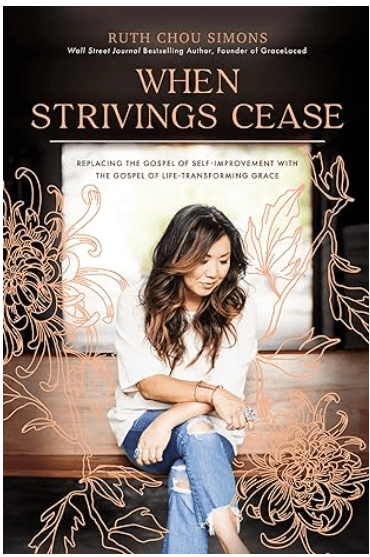
Ruth Chou Simons Not Recommended
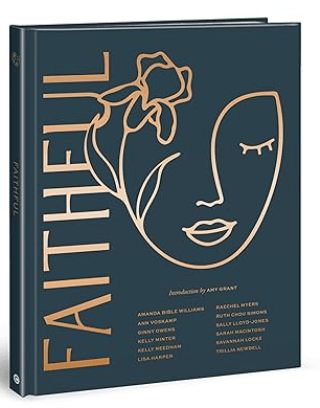
According to her website, “Ruth Chou Simons is a Wall Street Journal bestselling and award-winning author of several books… She is an artist, entrepreneur, and speaker, using each of these platforms to spiritually sow the Word of God into people’s hearts. Through her online shoppe at GraceLaced.com and her social media community, Simons shares her journey of God’s grace intersecting daily life with word and art. Ruth and her husband, Troy, are grateful parents to six boys—their greatest adventure.”
“Birds of a feather flock together.”
“If you lie down with dogs, you’ll get up with fleas.”
The Bible teaches us, and even the world seems to know, that ungodly people will have a deleterious influence and effect on us. This is one reason the Bible commands us over and over not to associate ourselves or have anything to do with false teachers or those who claim to be Christians, yet live in willful unrepentant sin (persistent false teaching being one of those sins). In fact, to associate with false teachers and fail to rebuke them for their false doctrine disqualifies pastors from ministry. Dare we expect any less from female teachers?
Unfortunately, unrepentantly yoking with false teachers has become a major snare for Ruth Chou Simons. Teachers are under a stricter judgment, and this rampant sin disqualifies her.
Partnering with, and Influenced by False Teachers (Including Female “Pastors”/Preachers)
Ruth’s life and ministry are absolutely saturated with false and problematic teachers, nearly to the exclusion of doctrinally sound teachers (at least this is the way publicly available information about her ministry associations makes it appear).
There are so many examples of her partnering with false teachers that it would be impossible to cite them all, but here is a sampling:
Television
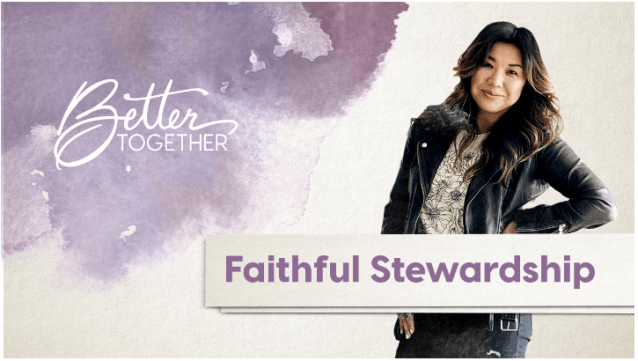
Ruth has appeared numerous times on TBN’s Better Together. If you’re not familiar, it’s a little bit like a “Christian” version of The View without the studio audience. A group of several (varying) women’s “Bible” study celebrities discuss life issues and biblical topics. And par for the course for TBN, they’re all problematic at best, raging heretics at worst. (There’s a reason TBN is often wryly dubbed the “Total Blasphemy Network”.)
Ruth has also participated with the IF:Gathering team to create other media.
*See the final section of this article, “Other Issues of Interest and Concern” for a compelling, biblical review of Ruth’s 2020 IF:Gathering teaching session.
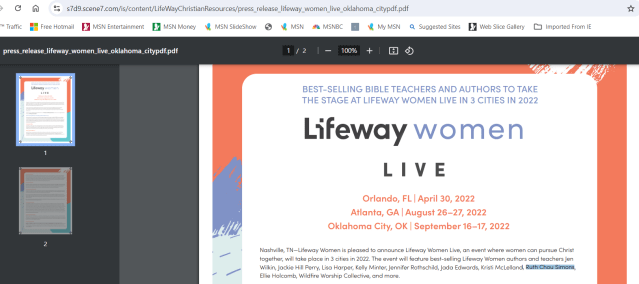
Ruth is part of Lifeway Women’s (the women’s division of Lifeway) stable of authors and conference speakers. The prototypical Lifeway Women author/speaker preaches to men, yokes with false teachers, and teaches false doctrine. (This is why you can feel comfortable making an across the board decision not to follow, listen to, or purchase the materials of a teacher if she’s platformed by Lifeway Women.) Ruth and her materials have been featured in articles, podcasts, giveaways, and so on a number of times at Lifeway Women.
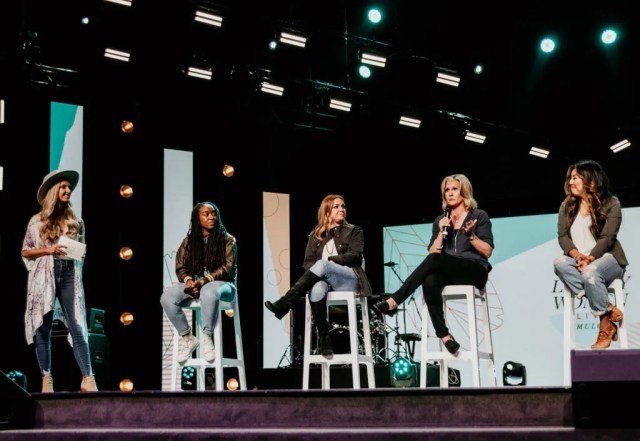
Lifeway Women Live 2021. Photo courtesy of Lifeway Newsroom. Seated L-R: Jackie Hill Perry, Angie Smith, Kristi McLelland, and Ruth Chou Simons
The Gospel Coalition (TGC) should be avoided in general. While it may have been doctrinally sound 15-20 years ago, it has been on a progressive trajectory ever since. Today, TGC is woke, egalitarian, soft on perversion, has a social justice bent, and mishandles Scripture.
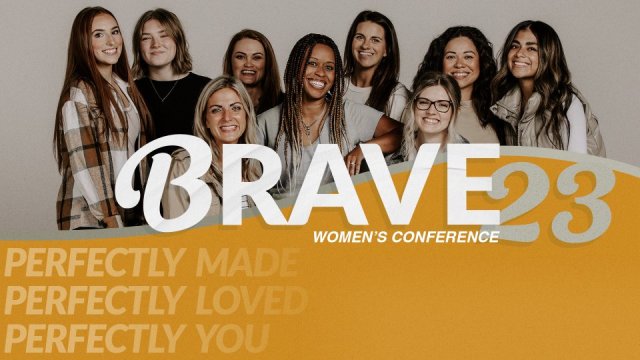
Ruth has spoken at some recent TGCW conferences alongside too many false teachers, women preachers/pastors, and “same sex attracted Christians” (yes, you read that right – I told you TGC has gone progressive) to list. One of these was TGCW24 (you can see all of the speakers listed here).
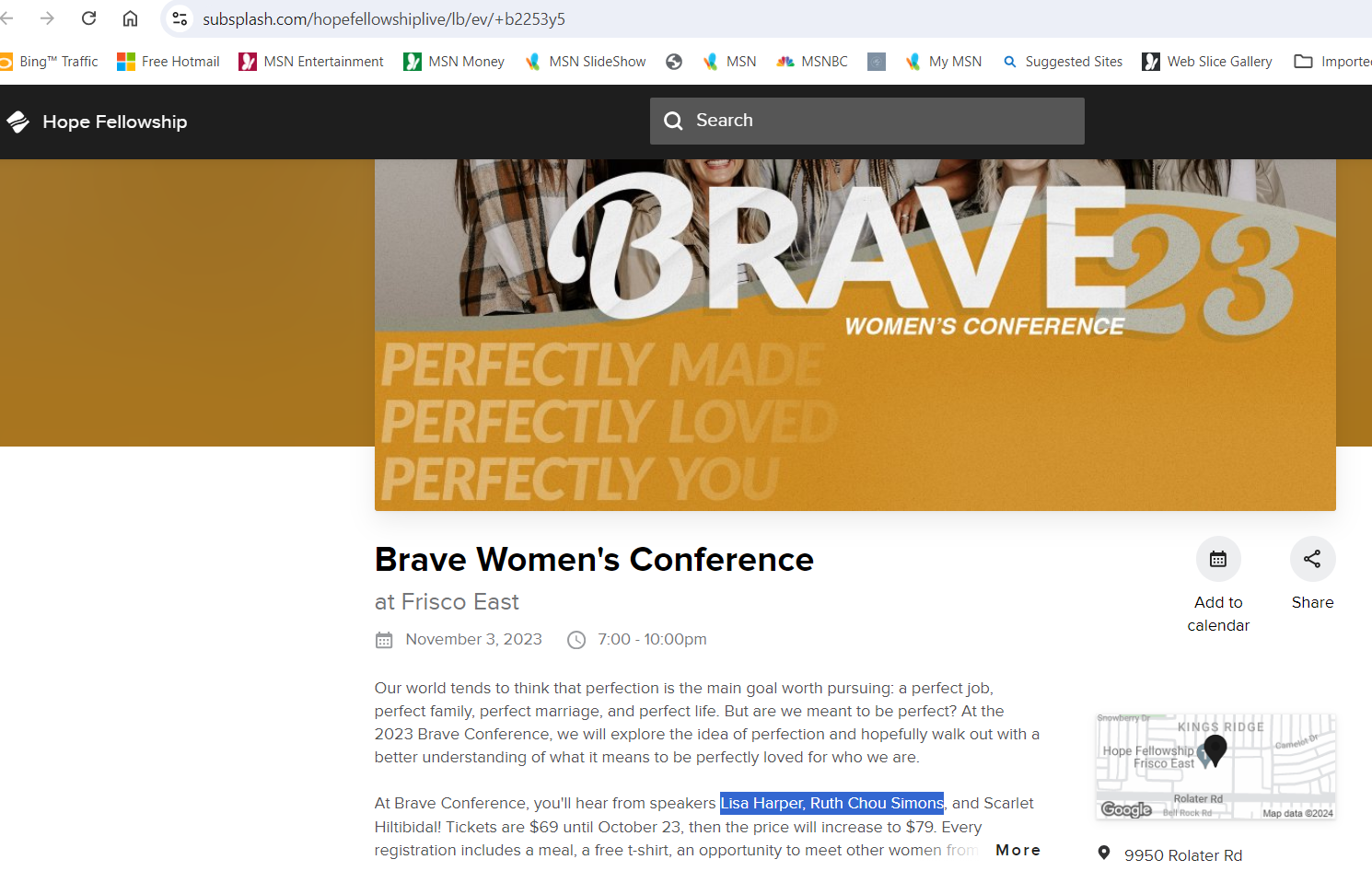
Women of Joy is a women’s conference organization that, for all its extensive proclamations of being “Bible first” and “Bible-based” (“No need to worry about the content that you will hear”!), seems to book false teachers – including women “pastors” and women who preach to men – as speakers almost exclusively.
“Extraordinary Women’s mission is to host Christian women’s events and provide resources that equip women to handle life’s difficulties while enriching their hearts, encouraging their souls and expanding their ministries.” Somehow they hope to do this by booking mainly false teachers to speak at their events.
Come and See Foundation fundraiser. Ruth will be speaking at a private event for this foundation, the purpose of which is to raise money for the production, translation, and distribution of the hideously unbiblical program, The Chosen.
In this episode of Ruth’s podcast, she featured the audio of her panel discussion with Jen Wilkin and Jada Edwards (who preaches frequently at the church her husband pastors) at Ruth’s “Pilgrim Stories” event.
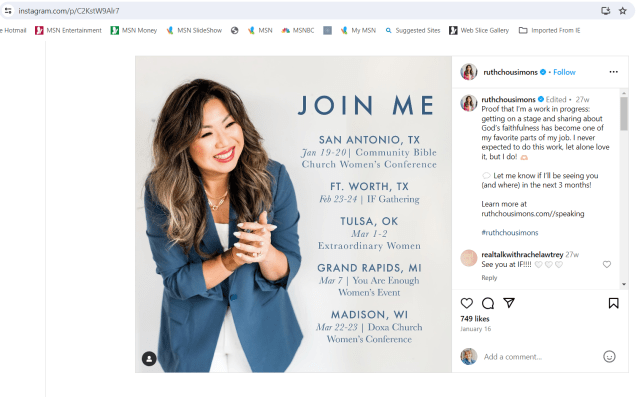
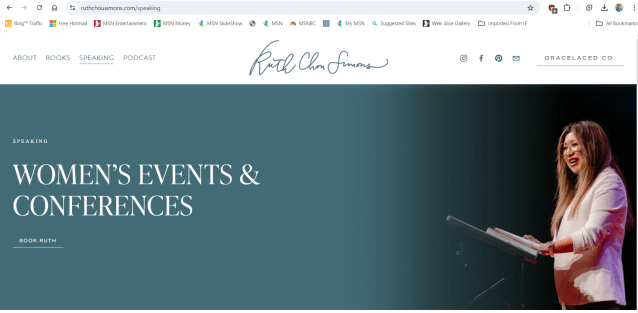
If you’re not paying careful attention, and you don’t dig a little, you might be misled by the banner at the top of the Speaking page of Ruth’s website. “WOMENS EVENTS & CONFERENCES,” it boldly proclaims. Perhaps your initial reaction is (as mine was), “Great! That means she only teaches at women’s events!”.
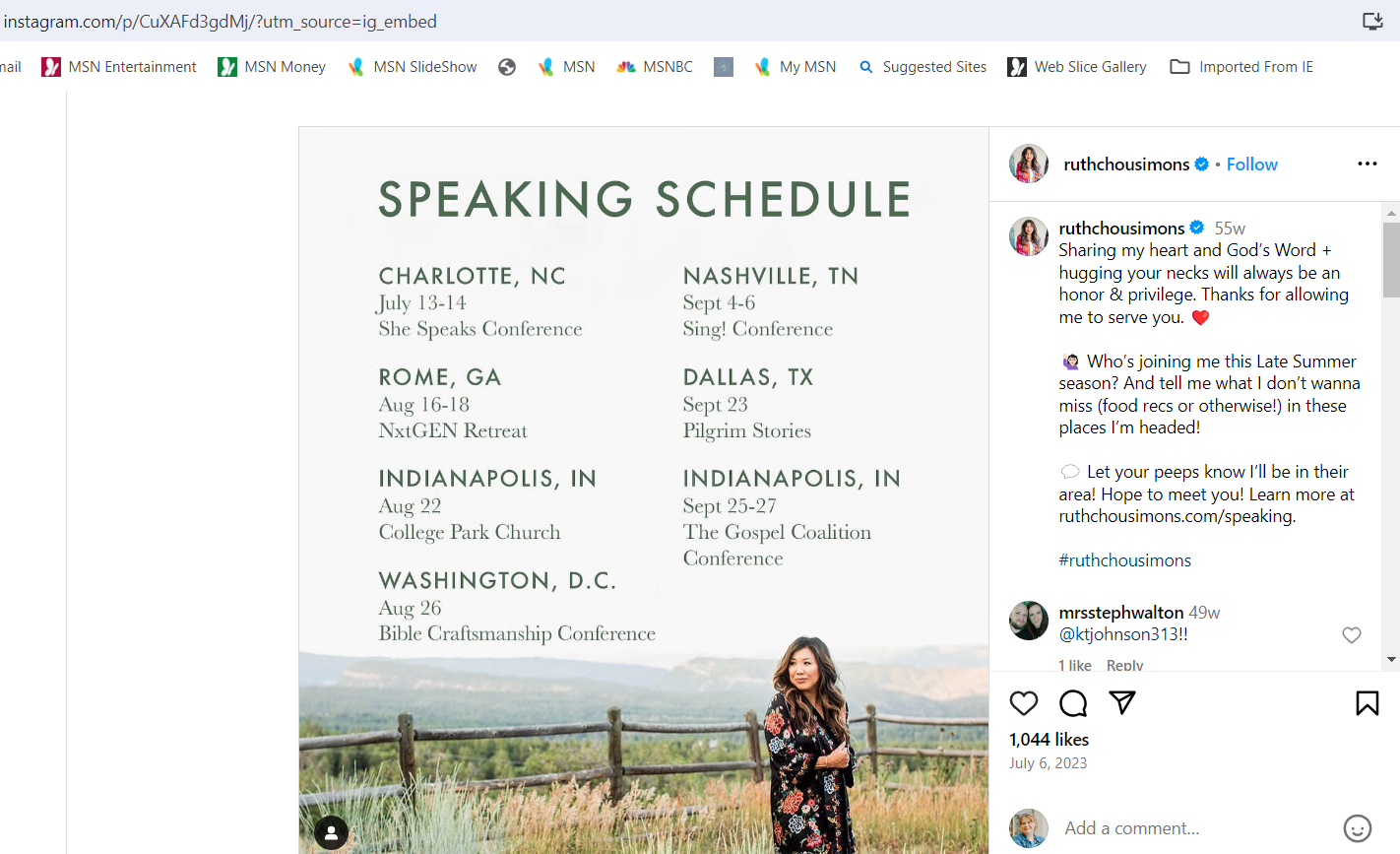
Unfortunately, this is not the case. Ruth does – regularly and unrepentantly – violate Scripture by preaching to and instructing men in the Scriptures. Currently listed on her calendar of events are three co-ed evangelical events, at which it is reasonable to presume she will be speaking to co-ed audiences on biblical topics: the Sing! Conference, the Come and See Foundation Fundraiser, and the Turning Point Summit*.
*There is a women’s luncheon “hosted by a special guest” one of the days of the Summit, so, although Ruth’s calendar indicates she will be there for the whole event, it’s possible she’s only speaking at this luncheon and not to any co-ed audiences. This doesn’t lessen the point that she preaches to men, I just want to be accurate.
Previous events at which Ruth has preached to men:
Ruth was a keynotespeaker at the 2024 Asian American Leadership Conference. According to the FAQ page, “This conference is primarily for pastors and leaders serving in or adjacent to Asian American ministry contexts. However, this conference is not exclusively for pastors or ministry leaders.”
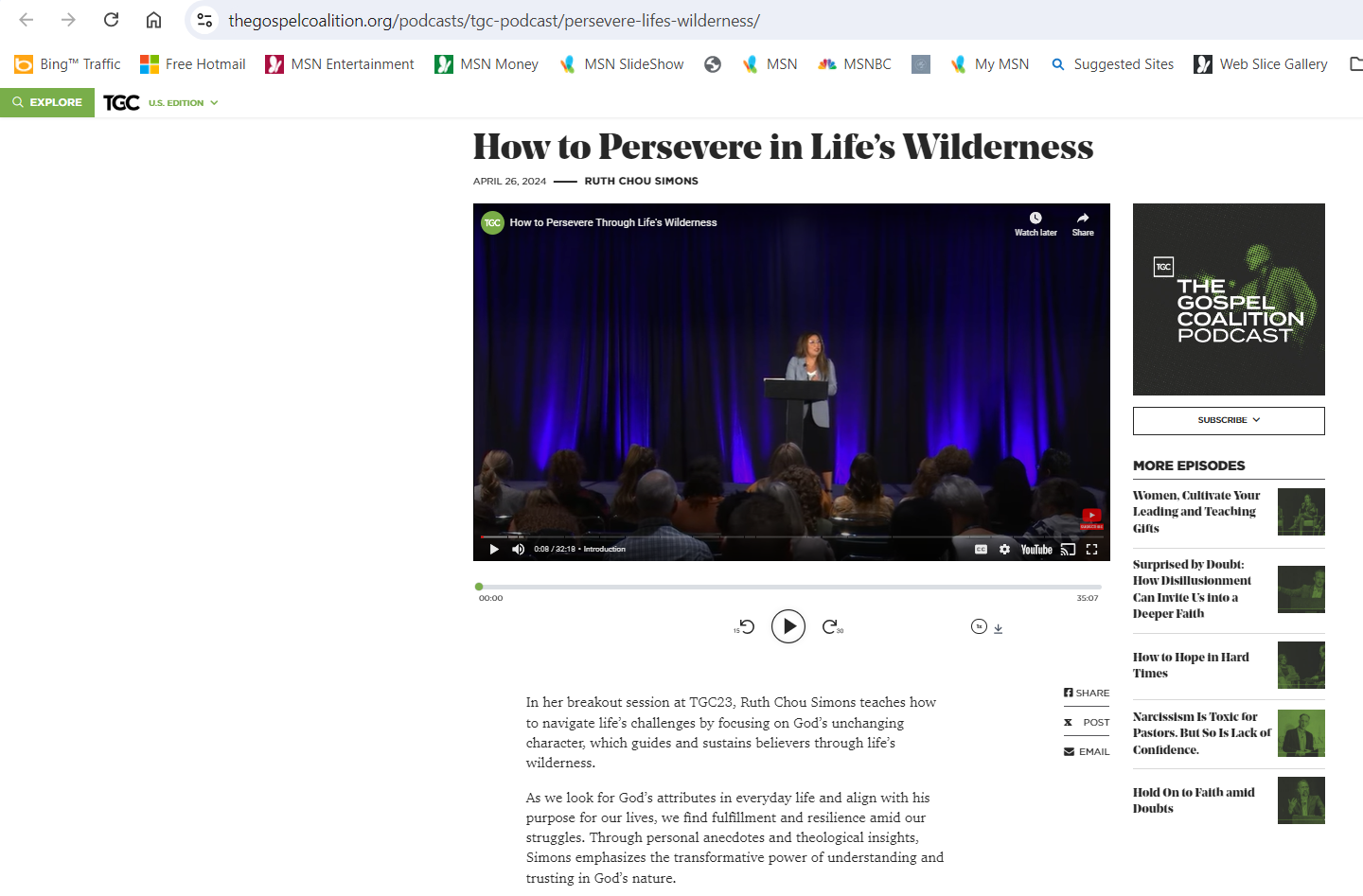
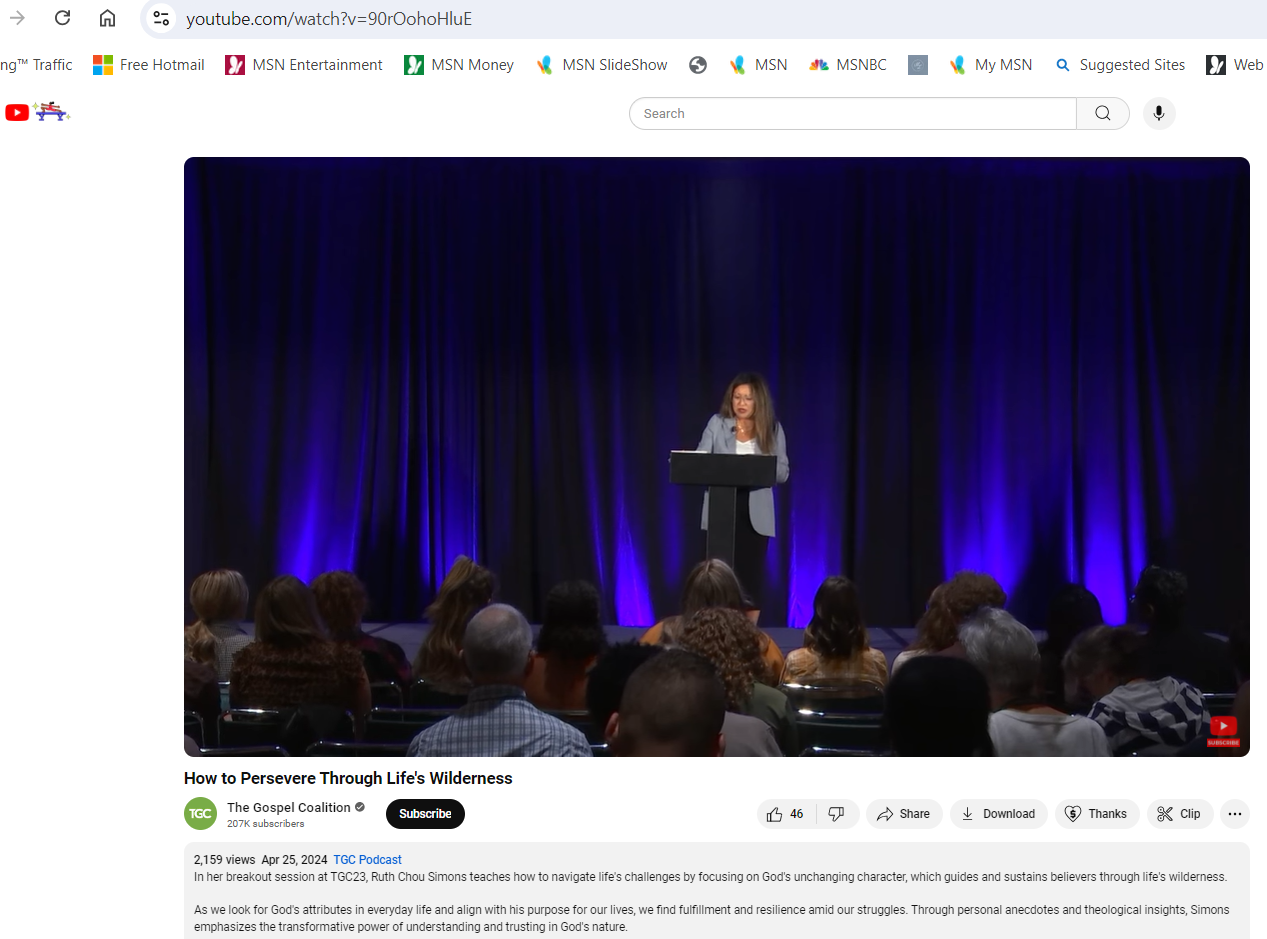
TGC23 – The Gospel Coalition’s National Conference (not their women’s conference, but the annual TGC conference which is co-ed). Men are clearly visible in this co-ed breakout session audience from the beginning of the video.
And, while one of her sessions at the2024 conference was geared toward moms, the other session she taught, “Preaching the Truth to Yourself and Your Child” was in the “Family Discipleship” track. It was not labeled as being for women and since fathers are responsible for leading family worship/discipleship, it is reasonable to assume there were men in attendance. Let me reiterate: a woman teaching men how to be the spiritual leaders of their homes.
Ruth preached a 2018 chapel service to the (co-ed) student body at Oklahoma Baptist University. Chapel attendance is required of all students as course credit for graduation.
Both I and a couple of my eagle-eyed research team members noticed that in several interviews (such as the one on Revive Our Hearts’ Grounded podcast above), in a series on her own podcast, and in various other discussions, articles, teaching sessions, and so on, Ruth talks a lot about “spiritual formation” and “spiritual disciplines”.
There’s a good bit of confusion these days in evangelicalism over spiritual formation. Spiritual Formation proper is an unbiblical system of mysticism led by people like Richard Foster and the late Dallas Willard. Some churches and individuals are not aware of this, and think the term “Spiritual Formation” is just a trendy, cutting edge synonym for “biblical discipleship” or training in Christian character, and, unfortunately, that’s how they use the term, creating no end of confusion.
Until the Spiritual Formation movement came along and co-opted it to include unbiblical, mystical practices, spiritual disciplines was legitimate theological terminology for practices taught in Scripture that help us to grow in Christ: Bible reading, prayer, worship, Scripture memory, giving, serving the church, evangelism, etc. Many doctrinally sound churches and Christians still use this term correctly and it does not mean they’re into mysticism or Spiritual Formation. (One example is Don Whitney in his excellent and doctrinally sound book, Spiritual Disciplines for the Christian Life, which was the subject of Ruth’s aforementioned podcast series.)
Unlike The Daily Grace Co. (and some other evangelical teachers and organizations) which has espoused Spiritual Formation proper, from what I can tell without examining every single thing she’s ever written or said on the subject, Ruth seems to fall into the second category of evangelicals who use the term “spiritual formation” to mean “biblical discipleship” and use the classical (biblical) definition of “spiritual disciplines”.
I listened to Ruth’s Spiritual Disciplines podcast episode on silence and solitude, Worthy of Your Full Attention. In Spiritual Formation proper, silence and solitude are for the unbiblical practices of lectio divina, contemplative prayer, some sort of Christian-y mindfulness, or the like. But this is not what Ruth describes. She talks about unplugging, going for a walk or being in a quiet room, and appreciating the beauty of God’s Creation, reciting and/or reflecting on Scripture, or praying. It’s not exactly your every day, formal Bible study and prayer time, but it’s a perfectly biblical way to rest your mind at other times.
From what I’ve seen so far, and unless I see hard evidence to the contrary, I don’t believe Ruth is teaching Spiritual Formation proper.
Discontent and Hollow Hope
I have no doubt whatsoever that Ruth loves and cherishes her children. She even says so at the beginning of this brief interview about her book Now and Not Yet: Pressing In When You’re Waiting, Wanting, and Restless for More.
That’s why it gave me pause when she described raising her children as “tedious” and as a stage of her life where she was “not getting where she wanted to go”. The subtle message that comes across is that motherhood is not a purposeful, God-glorifying end in itself. It’s a way station on the journey to where you really want to be, the thing that’s really important and purposeful.
So I read the sample chapter of the book that’s available at Amazon, and that’s the same impression I got of the overall theme of the book: “First, let’s commiserate in how tough things are right now, girlfriend, but cheer up! One day you’ll be where you really want to be in life.” This is not biblical. It reinforces sinful discontentment by training the reader to covet and put her hope in better life circumstances that God has not ordained for her at this time.
Now, not having read the entire book, perhaps I’m wrong. Perhaps somewhere after chapter 1, she really does stop telling personal anecdotes and experiences, she drills down into rightly handled, in context Scripture, and she teaches the biblical perspective on all of this: contentment. The Bible doesn’t teach us to get through trials and frustrations by putting our hope in better days ahead. The Bible teaches us to be content and put our hope in Christ, whatever our circumstances.
I have learned in whatever situation I am to be content. I know how to be brought low, and I know how to abound. In any and every circumstance, I have learned the secret of facing plenty and hunger, abundance and need. I can do all things through him who strengthens me. Philippians 4:11b-13
Count it all joy, my brothers, when you meet trials of various kinds, for you know that the testing of your faith produces steadfastness. James 1:2-3
Nothing, not a word about focusing on a brighter future to get us through the unpleasantness of the moment. Contentment in Christ. Joy in being conformed to the image of Christ. That’s what the Bible teaches us about our difficult circumstances.
At the end of the interview when the host asks Ruth for a parting word to the audience, she has the perfect opportunity to share the gospel – to share real hope in Christ with millions of people. And she punts to, “Your ‘someday’ is made up of thousands of ‘right nows’.” Something any Buddhist, New Ager, or atheist could have come up with. A hollow shell of an empty promise. Not the gospel.
One of my researchers described her style as “self-help”. I would describe my impression of Ruth’s teaching as “evangeligirl life management”. Ruth doesn’t handle Scripture well. She talks around the gospel and clear cut, hard hitting biblical doctrine and principles, opting instead for fuzzy, watercolored Christianese platitudes and practical tips expressed in pretty penmanship with a Bible verse sprinkled in here and there. I would say her theology is a mile wide and an inch deep, but that would be grossly overestimating how wide it is. There’s just no substantive biblical there there. And to bring things full circle, that’s due, in no small part, to the influence false teachers have had on her.
I’d like to be able to recommend Ruth to you as a trustworthy source of biblical teaching. I really would. She seems fun and very nice, and I greatly admire her artistic talent. But when you have difficulty rightly handling Scripture, and you rebel against God’s Word by preaching to men and yoking with false teachers, you’re not a trustworthy source of biblical teaching, no matter how sweet and talented you are. I would encourage you not to follow or receive teaching from Ruth Chou Simons.
Many thanks to my research team for providing some of the links and information above. If you’d like to become part of my research team, click here.
1. Was there anything new God taught you in this study that particularly impacted you? What was it, and why was it so significant?
2. How is your walk with the Lord different after this study than it was before?
3. What did you learn from this study about the nature and character of God?
4. What did this study teach you about the kinds of false doctrine which are most prolific in evangelicalism today?
5. What did this study teach you about how to “do” discernment (how to vet teachers/ministries, how to talk to a friend about false teachers, etc.)?
6. Have there been any passages or concepts in this study that God used to convict you of disobedience and lead you to repentance? How will you walk differently in this area from now on?
7. Describe one specific, practical way you will apply to your life something you learned in this study.
Homework
Spend some time in prayer this week asking God to show you how to put into practice one thing you learned from this study.
Using what you’ve learned from this study and the resources that have been provided in each lesson, vet a teacher or ministry whose doctrine you’ve been wondering about. If you’d like to take a practice run at it first, go to the Popular False Teachers & Unbiblical Trends tab in the blue menu bar at the top of this page, select a name from the list – without clicking on it – and do your research. When you’re done, go back to that tab, click on the name, and “check your work” against mine. (Let me know if you turn up any new information that needs to be included in one of my articles!)
Recite all of your memory verses from this study. Which one is most meaningful to you right now?
Responding Biblically to the News that You’re Following a False Teacher
Today’s Scripture passages are embedded in the body of the study. Please click the links in each question.
Questions to Consider
Throughout this study we will be looking at various passages of Scripture rather than working our way through a book of the Bible verse by verse. Because of that, we will need to be extra vigilant to rightly handle these passages in context. I will always attempt to provide the context you need for understanding these passages correctly, but if you need more clarity please feel free to read as much of the surrounding text as you need to – even the whole book, if necessary – in order to properly understand the passage presented.
Someone loves you enough to risk her relationship with you to show you from Scripture that your favorite pastor, author, or evangelical celebrity is a false teacher. How will you respond?
1. Whether or not your favorite author or teacher actually is a false teacher, try to imagine how you would feel if someone told you that person is a false teacher. What would be your initial gut level reaction or emotions?
Consider these passages, keeping in mind your answer to the question above. The Bible often describes the heart as the seat of our “passions” or deep seated emotions. What do these passages tell us about the nature or quality of our heart/passions/emotions? Why should we not be enslaved to our passions? As born again Believers, whose slaves are we? Should we, as Believers, react to any situation – including being told we’re following a false teacher – out of raw, fleshly emotion? How, and with what character traits, do these passages (particularly the last four) describe the way we’re to use our minds to think and respond to life’s circumstances?
Summarize what you learned from these passages into Principle 1 for responding to the news that you’re following a false teacher:
I will respond to the news that I’m following a false teacher by:
2. Study these Scriptures. If someone tells you you’re following a false teacher, should you just blindly believe that person and take her word for it? Be aware that there are biblically demonstrable false teachers, false converts (people who think they’re Christians, but aren’t), and doctrinally unsound “discernment ministries” out there who will tell you, due to their own unbiblical beliefs, that some of today’s most godly, doctrinally sound pastors and teachers are false teachers. How can you know if you’re dealing with someone like that or if it’s a doctrinally sound, discerning Christian warning you against someone who really is a false teacher? What do these passages say to do? How can, for example, a video of a woman preaching to men, or a book or sermon excerpt of someone teaching false doctrine serve as “witnesses” or “evidence” supporting the charge that someone is a false teacher?
Summarize what you learned from these passages into Principle 2 for responding to the news that you’re following a false teacher:
I will respond to the news that I’m following a false teacher by:
3. Examine these passages. Once you have thoroughly searched the Scriptures (rightly handled and in context) and find that the charges your friend has brought against the teacher are true – she really is a false teacher as demonstrated by Scripture – what should you do about continuing to follow and receive teaching from that teacher? What if you find that – according to rightly handled, in context Scripture – the charges are unbiblical, and the teacher you’re following is not a false teacher? Review your answers to questions 1 and 2. How should you respond, point by point, to the allegations that have been made? How did Jesus respond to Satan’s temptations and unbiblical ideas in Matthew 4:1-11 (hint: see 4a, 7a, 10a)? Did Jesus respond with an emotional outburst or personal, subjective opinions?
Summarize what you learned from these passages into Principle 3 for responding to the news that you’re following a false teacher:
I will respond to the news that I’m following a false teacher by:
4. Often, women who follow false teachers feel as though they are in a loving, bonded relationship with those teachers. Examine these Scriptures. What do they teach us about loving Christ compared to loving other people? Does Christ allow us to love those who are most dear to us – our parents and our children – more than we love Him? What does He say about people who do? If we can’t love even our closest family members more than Christ, what do you think He would say about loving your favorite author or teacher more than you love Him? If you don’t love Christ enough to obey Him and stop following your favorite false teacher, what does that say about your love for that teacher versus your love for Christ? How are false teachers a test of our love for and obedience to God? Will you pass the test?
Summarize what you learned from these passages into Principle 4 for responding to the news that you’re following a false teacher:
I will respond to the news that I’m following a false teacher by:
5. Sometimes when someone finds out she has been following a false teacher, she feels betrayed and deeply hurt (as well she should). She wonders how she’ll ever again be able to trust a spiritual authority figure. “If I was duped by this teacher,” she thinks, “what’s to keep me from being duped by the next teacher? I’m not putting myself through that again.” Sadly, at this most vulnerable point, she gives up on church, pastors, and Bible teachers altogether and adopts a “just me and Jesus” perspective.
God’s people as His sheep is a major motif of Scripture. Read these passages. Why do sheep need a good shepherd? How does a shepherd protect and provide for the sheep? How does being in a flock, in the safety of a sheepfold protect a sheep? What happens to a sheep when it strays away from the flock? Does God ever, in these passages or any other you know of, speak as though a sheep being separated from the flock is a good thing?
The majority of the New Testament is about the church. Just off the top of your head (or search for church in a concordance), name 5-6 aspects of church life the New Testament teaches us about. Does the New Testament ever teach us about how to live and grow in Christ as “Lone Ranger Christians” or “just me and Jesus” Christians who are not joined to a local church? Why not? Is it fair to say that God’s perspective, as the Author of the New Testament, is that there is no such thing? If membership in a local church were optional or no big deal to God, why would He have spent so much time and effort establishing it, instructing it, and caring for it?
Why does God command us to be faithful members of a local church? Thinking back to your answers about the sheep, how do the church, and godly, doctrinally sound pastors and elders protect and provide for Christians?
In what ways can a good, doctrinally sound church help someone whom God has delivered from the clutches of false doctrine or a false teacher?
Summarize what you learned from these passages into Principle 5 for responding to the news that you’re following a false teacher:
I will respond to the news that I’m following a false teacher by:
6. Summarize your five principles into a paragraph or two about responding biblically to the news that you’re following a false teacher.
Homework
Read (and listen) more on the passages and topics from today’s lesson:
Do you have a friend or loved one who is following a false teacher? Set aside some focused time in prayer this week to pray for her and for how you might talk to her about it. Consider each of the five principles you wrote in today’s lesson. Is there anything you can do to make it easier for her to respond in those biblical ways?
Today’s Scripture passages are embedded in the body of the study. Please click the links in each question.
Questions to Consider
Throughout this study we will be looking at various passages of Scripture rather than working our way through a book of the Bible verse by verse. Because of that, we will need to be extra vigilant to rightly handle these passages in context. I will always attempt to provide the context you need for understanding these passages correctly, but if you need more clarity please feel free to read as much of the surrounding text as you need to – even the whole book, if necessary – in order to properly understand the passage presented.
In today’s evangelical world, many professing Christians object to rebuking false teachers and warning the church about false teachers. They believe it is unloving, unChristlike, divisive, or slanderous. But is that true according to Scripture?
1. Warning and rebuking requires evidence and a posture of due process. Review lesson 9 (link above). As stated at the beginning of lesson 9…
We can’t just go around willy nilly calling everyone a false teacher. A false teacher is someone who unrepentantly, despite biblical correction, consistently teaches, either implicitly, explicitly, or via his or her behavior, doctrine that is in direct conflict with clear cut Scripture.
Read these passages. Are the Matthew and 1 Timothy passages instructions about how to deal with public false teaching in the public square or how to deal with sin inside a local church? (Read #1 here if you can’t tell from the passages.)
What we’re looking at in these passages is not step by step instructions about how to warn against or rebuke false teachers. We’re looking at the biblical principles of evidence and due process found in these passages, which we see reflected even in many of our secular laws and judicial processes today.
Make a list of all of the principles of biblical due process found in these passages. Explain how they reflect God’s attributes of justice and fairness.
When, in the judicial process, does “conviction and sentencing” take place? Take the Matthew 18 passage, for example. Would it be right to treat someone “as a Gentile and a tax collector” immediately after going to him one on one (15-16a)? Why not?
What do the Deuteronomy 19 and Exodus passages teach us about false witnesses and false accusations? How might this relate to falsely accusing someone of being a false teacher?
In much the same way that a police officer can’t arrest you because he doesn’t like your haircut, you can’t deem someone to be a false teacher because she sometimes wears slacks and you prefer for women to always wear skirts. Why? Because in neither case has the allegedly guilty party actually broken the law. What is the standard we use for determining whether or not a teacher has “broken the law” and is a false teacher?
Before warning against or rebuking someone you think is a false teacher, you must extend that fellow image bearer the due process of fairly researching her and providing accurate, current, in context evidence of her ongoing, unrepentant false teaching. According to these passages and others, what biblical principles and commands are you violating if you don’t? If you don’t fairly research her and provide appropriate evidence that she’s a false teacher, aren’t you being “unloving, unChristlike, divisive, or slanderous”?
2. Instructions to warn others / examples of warning others about false teachers/doctrine.Read these passages. Determine whether each passage is an instruction to Christians to warn others about false teachers/doctrine, or an example of someone in Scripture warning his contemporaries about false teachers/doctrine. (Some passages are a mixture of both.) Which warning words and phrases (e.g. “watch out”) does each passage use?
Do any of these passages (or any other Scriptures you’re familiar with – rightly handled and in context) exemplify or instruct Christians not to warn others away from false teachers? Do any of these passages (or any others you’re familiar with) describe warning others as unloving, unChristlike, divisive, or slanderous? What do these passages tell you about how God views Christians warning others about false teachers?
In each of these passages, who is doing the warning or giving the instruction to warn? (Hint: You may need to look up who the author of each book is or read a little more of the passage to find out.) What does this tell us about the responsibility of those in leadership or with greater discernment to warn others about false teachers?
How would you characterize these warnings or instructions to warn? Timid? Assertive? Wishy washy? Direct? Hateful? Loving? What is the stated or implied reason for warning others in each of these passages? How does warning for these reasons demonstrate love for God, for His Word, for His church as a whole, and for individual brothers and sisters?
3. Is naming names biblical? Is it biblical to warn against specific false teachers or movements by name? Read these passages. Make a three column chart. For each passage list:
Who is warning against the false teacher or group
Which person or group is being warned against by name
Why the person or group is being warned against (if the passage says or if you know)
Which groups are being warned against in some of these passages? What was the false doctrine each group centered around? (Use your cross references.) What are some groups or movements today that center around false doctrine that we should warn other Christians against? (see lesson 9, link above, for an example) Do any of these passages (or any others you know of) teach that we should always refrain from warning against specific false teachers and groups by name?
Have you ever heard a pastor or any other professing Christian say we shouldn’t give the names of specific false teachers or groups? What reasons did he give? Why is it important to warn fellow Christians about specific false teachers and groups by name?
When we plead with people to follow Christ, we tell them exactly who He is and why they should follow Him. Why, when we plead with people not to follow antichrists, would we not tell them exactly who those false teachers and movements are, and why they shouldn’t follow them?
4. Warning / rebuking false teachers themselvesRead these passages. Determine whether each passage is an instruction to Christians to rebuke false teachers, or an example of someone in Scripture rebuking false teachers. Do any of these passages (or any others you’re aware of) teach that we should not rebuke false teachers?
Carefully examine the Deuteronomy and Jeremiah passages. In what ways did God – directly, through His true prophets, and through His people – rebuke false prophets? What does this tell you about God’s perspective on false prophets/teachers and false prophecy/doctrine? Does He still rebuke false teachers in any of these same ways today? Does that mean He has “gone soft” on false teachers since the Old Testament? Why does He deal with false teachers differently today?
How would you characterize Jesus’ rebuke of false teachers in the Matthew passages? What were the false doctrines He was rebuking them for in chapter 23? How did He inform or set an example for the church’s rebuke of false teachers?
Starting with the Titus 1 passage and finishing with the Galatians 1 passage, write a detailed description of the ways and reasons pastors and churches are to rebuke false teachers. How does rebuking false teachers benefit the false teacher, the church at large, and individual Christians?
What is the goal of rebuking false teachers?
5. What should be our manner of warning and rebuke?Read these passages. For each passage, answer the following questions:
How does this passage describe or rebuke false teachers/doctrine? Make a list of the adjectives and descriptive phrases used.
Does this passage seem mostly positive or negative toward false teachers/doctrine?
If I saw or heard someone describing or rebuking a false teacher this way today, would I be offended? Would I think that person was being unChristlike, unloving, etc?
How do the examples of “sharp” rebuke and negative descriptions of false teachers not contradict the fruit of the Spirit (love, kindness, gentleness) and the 2 Timothy 2:25 admonition to correct opponents with gentleness?
Re-read Matthew 23: Was Jesus being unkind, unloving, or disobeying His own instruction (2 Timothy 2:25) to correct opponents with gentleness as he addressed the scribes and Pharisees? (Hint: Consider the James, Proverbs, and Ecclesiastes passages as you answer.) Are there times when sharp rebuke is required over soft words, and vice versa? Give an example of a situation requiring each.
Many professing Christians today would say that sharp rebuke and negative characterizations of false teachers are unloving. How do each of these passages demonstrate love for…
God
God’s Word
False teachers
The church as a whole
Followers of false teachers
Homework
Is there someone you think might be a false teacher? Apply the biblical principles of due process you learned today and research her fairly, giving her the benefit of the doubt when possible. You may wish to look at some of my articles at the Popular False Teachers & Unbiblical Trends tab in the blue menu bar at the top of this page as an example. My article Is She a False Teacher? 7 Steps to Figuring it Out on Your Own may also be helpful.
Think it through: Using the Old Testament passages you’ve studied today (and any other applicable OT passages you like), address this issue: Jesus lived His entire earthly life in “Old Testament times” because the new covenant, Christianity, and the church were not established until after His ascension. Under Old Testament law, false prophets – those who “presume to speak a word in [God’s] name that [He had] not commanded him to speak…that same prophet shall die.” (Deuteronomy 18:20) Did the Pharisees’ legalism (equating their man made rules with God’s Word and declaring those violating them to be in sin) qualify them as false prophets under Old Testament law? If so, why didn’t Jesus demand, or at least teach, that they should be put to death instead of merely rebuking them (see Matthew 23, 7:15-23)?