It’s that time of year again. Time for love and good cheer. Peace on earth. Joy to the world.
And war.
Over the last several years, there’s been a sometimes quiet and respectful, sometimes loud and obnoxious battle raging between conservative Christians and merchants over whether said merchants use the term “Merry Christmas” or the more general “Happy Holidays” or “Season’s Greetings” in their advertising and in greeting customers at their stores.
I don’t know about you, but it’s driving me bananas.
Would I prefer for everybody to say “Merry Christmas”? Sure. But on my list of things to have an aneurysm about, it falls somewhere between my dentist telling me I should floss more and deciding where to get the dog a pedicure. I just really don’t care that much. And I’m wondering, in the grand scheme of things that should be pressing upon Christians’ hearts, should something this minor even register on the scale of issues that upset us?
What Do We Expect?
Speaking strictly numerically and statistically, genuine Christians– not just people who say they’re Christians and/or go to church, but people who have actually been regenerated by the blood of Christ –are a very small minority. Despite what you may hear to the contrary, the United States is not a Christian nation. It may have been founded on Biblically inspiried principles, but in practical societal terms today, this is a nation mostly made up of lost people.
This means that it’s a safe bet that the majority of the people at the helms of these corporations are lost. And guess what? Fish gotta swim, birds gotta fly, and lost people gotta act like lost people (Romans 8:7). What this means is that their decision whether to use “Merry Christmas” or “Happy Holidays” has nothing to do with Jesus or respecting the “true meaning of Christmas”. Their decision is going to be based on what’s going to make the corporation the most money. If saying “Merry Christmas” will get more customers in the door, that’s what they’ll do. It doesn’t mean they’re honoring Christ, it mean’s they’re pandering to Christians.
When we exert pressure on these corporations to say “Merry Christmas”, what real change are we effecting? Are we not just creating more people who honor God with their lips while their hearts are far from Him (Isaiah 29:13)? Are we not sending them the subtle message that external behavior, rather than a reborn spirit, is what counts? One day, every knee will bow and every tongue confess that Jesus is Lord (Philippians 2:10-11). One day. But that day is not today. We can’t force change in people’s hearts by coercing them into saying “Merry Christmas”. And, to God, a change of heart is the only thing that matters.
Where Should Our Passions Lie?
I used to belong to a Christian “social issues” organization. In many ways, it’s a great organization. I got frequent e-mails from them regarding which social issues various corporations were investing their profits in, where politicians stood on the issues, and lots of other helpful information and resources.
But every autumn they would begin their annual “Merry Christmas” campaign. They have buttons you can order that urge people to say “Merry Christmas”. They have leaflets and stickers and videos you can order for your church to promote saying “Merry Christmas”. They publish a “Naughty and Nice” list of merchants who use “Merry Christmas” (nice) or some other wording (naughty), so you’ll know which stores to shop and which to boycott.
And it made me stop and think– how many man hours go into that campaign every year? How much money does the organization invest in it? How much money do churches and individuals spend on their materials? Is investing that much time and money in promoting “Merry Christmas” good stewardship?
We have brothers and sisters all over this planet who would give anything to own a copy of the Bible. There are crisis pregnancy centers that operate on a shoestring trying to help women and their babies. There are missionaries who live in poverty in third world nations taking the Gospel to those who have never heard it. There are people starving. There are children who have been kidnapped by human traffickers.
And “Merry Christmas” is what we want to get all worked up about?
What’s more upsetting to us, the fact that someone says “Happy Holidays” or the fact that the person who said it might die and spend an eternity in hell? Where do our passions truly lie? Are we passionate about the same things God is passionate about?
This Christmas, can we just focus on what’s important? We have a God who loves every person so deeply and so intensely, and whose mercy and grace are so unfathomable, that He came here personally to redeem us.
And there are people all around us who don’t know that.
And they desperately need us to love them enough to tell them that in Jesus there’s hope. A way out of their sin. A way to get clean. A secure eternity. Peace.
God and sinners, reconciled. Oh, what a Merry Christmas!


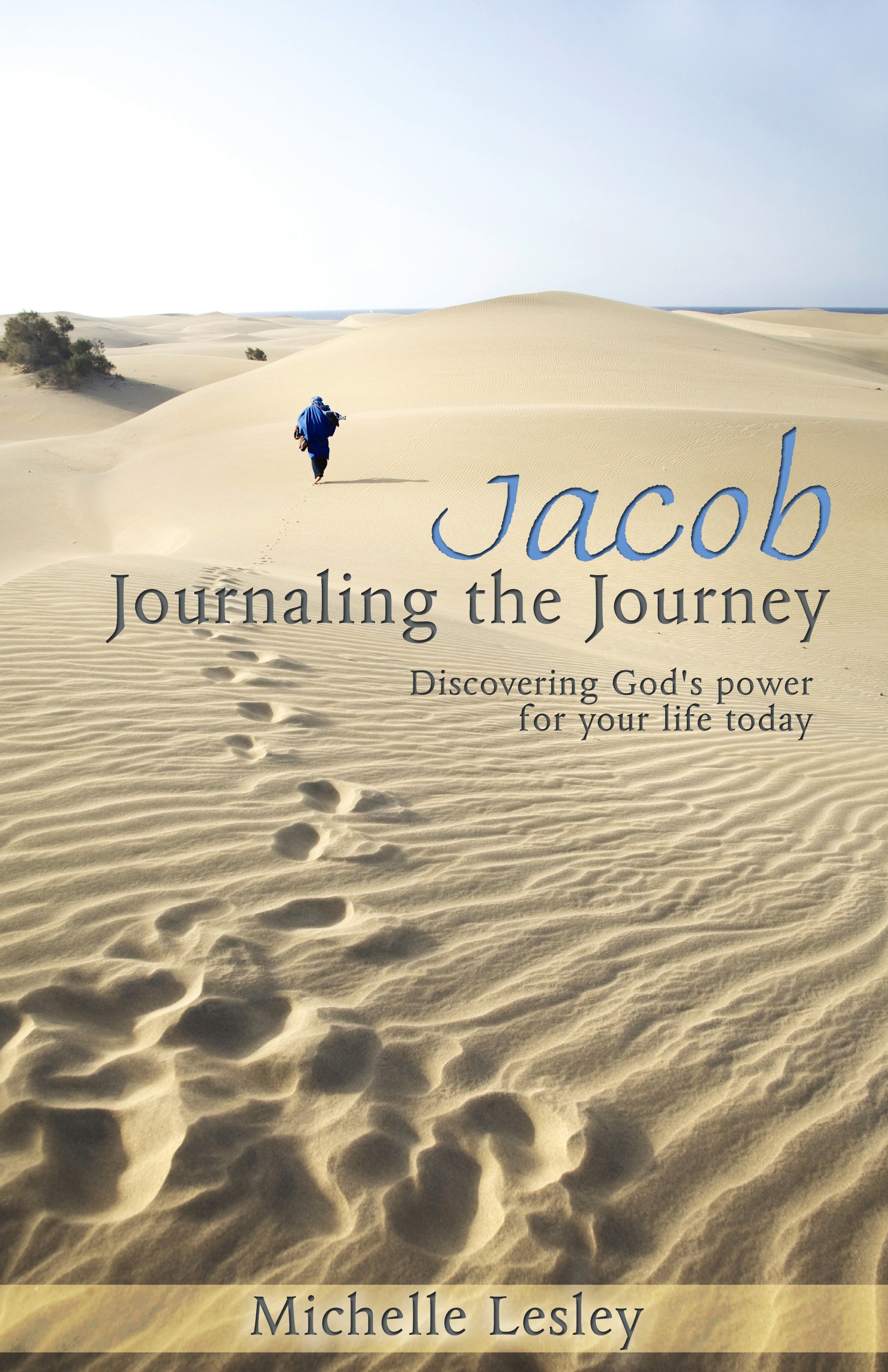 In addition to the giveaway and interview on Diane Estrella’s blog (now through Nov. 25), Home Educating Family has also posted a very kind book review and a giveaway of a copy of “Jacob” (now through Dec. 8). Head on over and enter to win!