Christian women, Complementarianism, Rock Your Role

Rock Your Role: All Things Being Equal (Galatians 3:28)

Being a church lady can be really confusing at times, am I right? There are so many questions and Scriptures to sort through and figure out. We want to serve the body of Christ in a godly way, but sometimes it’s hard to know how to go about that.

Rock Your Role is a new series I’m starting today that will examine all of the “go to” Scriptures that help us understand our role as women in the church. Some of these passages are – let’s just be honest – tough. Tough to understand. Tough to accept.

As we tackle tough passages like these, it’s important to ask ourselves a few equally tough questions, search our hearts, and answer honestly. Before reading each article in the Rock Your Role series, I’d like to ask you to prayerfully consider these questions:

1. Do I really believe God’s rightly handled, in context, written Word has the final say when it comes to what I (and the church) should believe and do?

2. If so, am I truly willing to “put my money where my mouth is” and back up that belief with action and obedience, even if I don’t initially like or fully understand a certain biblical concept or command?

3. Is this passage a tough one for me because it challenges my preconceived notions and opinions? Am I willing to put my ideas aside and hear what God’s Word has to say so I can obey it?

Ready to dive in? Let’s get started with…

There is neither Jew nor Greek, there is neither slave nor free, there is no male and female, for you are all one in Christ Jesus.
Galatians 3:28

For those of you who have been around the blog for a while, you might be surprised that I’m kicking things off with this verse. I’m about as complementarian as they come, and Galatians 3:28 is the rallying cry for egalitarians. But this verse is foundational to our understanding of the role of women in the church because it tells us who we are in Christ.

Before we zero in on verse 28, though, let’s zoom out and look at the book of Galatians as a whole. Galatians was written by Paul to the churches at Galatia to combat the false doctrine of the Judaizers- those who taught that the Gentiles must first become Jews (be circumcised and follow the Mosaic law) before they could become Christians. The Galatians were being seduced by this teaching, allowing it into their churches, and many were being drawn away from the truth of the gospel. Paul wrote to straighten them out and remind them – and us – that we are justified (saved and made right with God) through repentance and faith in Christ, not by keeping the law.

Galatians 3 is a perfect showcase for Paul’s theme of justification by faith. Take a moment and read the whole chapter now.

Paul reminds the Galatians that they were saved by faith, not works of the law, just like Abraham was. Paul explains that the law came with a curse attached for those who disobeyed it, but that Christ redeemed us from that curse. In fact, the whole purpose of the law was to teach us we can’t keep it and push us to faith in Christ as our only hope for salvation.

Wait a second. What’s all this talk about the law and faith and salvation and stuff? Isn’t this passage about women being equal to men and that they can serve in any capacity or office in the church that men can?

Wait a second. What’s all this talk about the law and faith and salvation and stuff? Isn’t this passage about women being equal to men and that they can serve in any capacity or office in the church that men can? Um…no. No, it’s not.

Um…no. No, it’s not. And that’s where the wheels fall off of the egalitarian argument. The entirety of Galatians chapter three is about salvation by faith instead of works. It says nothing about women serving in the same roles in the church as men. Nada. Zip. Zero.

It tells us something better. Something far more precious to the women of that time – and to us – than we realize. Let’s look at verse 28 in its immediate context:

But now that faith has come, we are no longer under a guardian, 26 for in Christ Jesus you are all sons of God, through faith. 27 For as many of you as were baptized into Christ have put on Christ. 28 There is neither Jew nor Greek, there is neither slave nor free, there is no male and female, for you are all one in Christ Jesus. 29 And if you are Christ’s, then you are Abraham’s offspring, heirs according to promise.

Do you see that? We’re no longer under the guardianship of the law. Anyone can come to Christ in repentance and faith- Jew or Gentile, slave or free, male or female, all are welcome. The ground is level at the foot of the cross. No one is more important than anybody else. We are all equally saved, equally loved, equally forgiven of our sin, equally precious in God’s eyes. In a time when women were considered less important, less valuable, less intelligent, less everything than men, this would have been joyous news, indeed. It should be to us, as well.

But equality in salvation does not translate to equality in church roles. A king and a pauper might have worshiped side by side in the Galatian church, but when it came to the role of giving, the church would not have expected the same offering from the pauper as from the king. This didn’t make the king more important than the pauper, it just gave him a different area of responsibility because of who he was. Likewise, men and women are equally saved and forgiven in God’s eyes, but still fulfill different roles in the body of Christ because of who they are.

Equality in salvation does not translate to equality in church roles.

Let me illustrate this another way. My husband and I have 6 children. Each and every one of us are all equally Lesleys even though I married into the family and the rest of them were born into the family. No family member is more loved or important than another. However, we all have different roles, which come with different blessings and responsibilities. My 12 year old might not be able to drive the car, but he doesn’t have to work eight hours a day and pay bills, either. I no longer have to do homework (thank you, Lord!), but I do have to do housework. Our family would not operate in a healthy way if I tried to take on my son’s role or my husband tried to take on my role.

It’s the same way in the church. God loves, forgives, and saves each one of us equally. But he also loves us each individually. And it’s because of that individual love that He gives each of us unique roles to fill in the church so that it will operate in a healthy way. As we’ll see throughout this series, the role of women in the church is precious and vital to the well being of the body of Christ. So is the role of men. They are both equally important, yet God has specially gifted women to fulfill the roles He has designed for us just as He has specially gifted men to fulfill the roles He has designed for them.

Ladies, you have a Savior who loves and values you as a woman, and your role in the church is no less important than any man’s just because it’s different from his role. There are no second class citizens in God’s kingdom.

Ladies, you have a Savior who loves and values you as a *woman,* and your role in the church is no less important than any man’s just because it’s different from his role.

1 John Bible Study

Am I Really Saved?: A First John Check Up ~ Lesson 5: Practicing Sin

Am I Really Saved? A First John Check Up
Lesson 5: Practicing Sin
Please Read: 1 John 3:1-10

Previous Lessons: 1, 2, 3, 4

Examine yourselves, to see whether you are in the faith. Test yourselves. Or do you not realize this about yourselves, that Jesus Christ is in you?—unless indeed you fail to meet the test!

2 Corinthians 13:5

1 John 3:1-3

The first three verses of this chapter are such a comfort to those who know Christ. John marvels over the love of God and the fact that He chooses to call us His children.

  • How does it impact your faith in Christ to know that you are loved by God and that you are His child?

John then goes on to assure Christians of our identity in Christ and His certain return.

  • What are three ways (v. 1b, 2, 3) that John identifies us with Christ or says we are, or will be, like Him?
  •  Christians tend to long for the return of Christ. Do you? Why or why not?

1 John 3:4-10

Am I Really Saved? Checkpoint 9: Do I Make a Practice of Sinning or Righteousness?

Everyone who makes a practice of sinning also practices lawlessness; sin is lawlessness. You know that he appeared in order to take away sins, and in him there is no sin. No one who abides in him keeps on sinning; no one who keeps on sinning has either seen him or known him. Little children, let no one deceive you. Whoever practices righteousness is righteous, as he is righteous. Whoever makes a practice of sinning is of the devil, for the devil has been sinning from the beginning. The reason the Son of God appeared was to destroy the works of the devil. No one born of God makes a practice of sinning, for God’s seed abides in him, and he cannot keep on sinning because he has been born of God. 10 By this it is evident who are the children of God, and who are the children of the devil: whoever does not practice righteousness is not of God, nor is the one who does not love his brother.

Here, John again uses polarizing words to draw a sharp contrast between the saved and the unsaved. Sin and righteousness. Children of God and children of the devil.

John also talks about the “practice” of sinning or righteousness. He has already made clear in chapter 1 (and other places) that Christians will fall into sin, but that they will confess their sin and be forgiven of it. Generally, Christians desire to practice righteousness and make an effort to do so.

Here, John focuses on those who make “a practice of sinning,” meaning a habitual lifestyle of unrepentant sin. He equates the habit of sinning with practicing lawlessness. The word “lawlessness” takes us beyond the surface “wrongness” of the particular sin that’s being committed to a deeper contempt for, and rebellion against the Law and the God who gave it.

  • Does John give any indication of how “big” the sins have to be or how often they have to be repeated to fall under the umbrella of a “practice of sinning,” or is his focus more on the attitude of the heart?
  • What do verses 6, 8, and 10 say about people who practice sinning? Are such people Christians?
  • Who is our standard for righteousness? (v.7) What are some attributes and personal habits of Christ that show us what righteousness is? Can you list some verses where Christ explained what it means to be righteous?
  • What do verses 7 and 9 say about people who practice righteousness? Is John talking only about outward, visible righteous behavior or righteousness that springs from a regenerated heart? How might 2 Corinthians 5:17 help our understanding of these verses?
  • Read Paul’s description of his battle against sin in Romans 7:15-25. Does this war between the desires of the flesh and the spirit seem familiar or foreign to you?
  • Verses 5 and 8b explain the reason Christ “appeared.” What was that reason, and what does the reason for His death have to do with whether people practice sinning or righteousness?

This week we’ve looked at one more checkpoint in our “Am I Really Saved?” study:

Do I make a practice of sinning or a practice of righteousness?

People who are saved look forward to the return of Christ in His glory. As they live day by day hoping in His return, God conforms them to the image of Christ so that they habitually walk in the direction of righteousness.

Unsaved people may dread or try not to think about the return of Christ and its implications on their eternities. They habitually sin – whether those sins are small or big in the eyes of the world – without repenting.

How are you doing so far as you examine your heart against the checkpoints in 1 John? If you think you might not be saved, please see lesson 3 or the “Good News” video (at the top of the left side bar) to learn how to repent of your sin and trust Christ for salvation. Need help? Please feel free to click on the “contact” tab at the top of this page and e-mail me.

Additional Resources:

1 John 3– Matthew Henry’s Commentary

True or False? A Study in 1 John– at Naomi’s Table (lessons 11-12)

1 John Bible Study

Am I Really Saved?: A First John Check Up ~ Lesson 4: Truth and Righteousness

Am I Really Saved? A First John Check Up
Lesson 4: Truth and Righteousness
Please Read: 1 John 2:18-29

Previous Lessons: 1, 2, 3

Examine yourselves, to see whether you are in the faith. Test yourselves. Or do you not realize this about yourselves, that Jesus Christ is in you?—unless indeed you fail to meet the test!

2 Corinthians 13:5

1 John 2:18-20

Am I Really Saved? Checkpoint 6: Do I want to be faithful to a doctrinally sound church?

Children, it is the last hour, and as you have heard that antichrist is coming, so now many antichrists have come. Therefore we know that it is the last hour. 19 They went out from us, but they were not of us; for if they had been of us, they would have continued with us. But they went out, that it might become plain that they all are not of us. 20 But you have been anointed by the Holy One, and you all have knowledge.

Let’s start off by looking at a few words in verses 18 and 19: “children,” “antichrist,” “antichristS,” and “they”.

It’s always helpful to keep in mind who the audience of a passage of Scripture is. “Children,” as I mentioned last week, reminds us that John is addressing the church, his “children” in the faith (which, by extension, includes Christians today). Apparently, the church had already been taught that Christ would be coming back and that the antichrist would be making his appearance before the Lord’s return. This antichrist is the one-world leader who will fight against and attempt to overthrow Jesus at the end of time.

But just as John has children in the faith, the antichrist (Satan) also has children, and these are the “many antichristS” to whom John refers. These were people, who at one time had been meeting with the church and seemed to be Christians, but who had left the church and become (or joined with) false teachers (see lesson 1 for more info.). This is who “they” in verse 19 is referring to.

John is making clear to the church that those who leave the fellowship of biblical Christianity to follow false teachers and teachings do so because they were never truly saved (“not of us”) in the first place. This is one way we can tell (“that it might become plain”) who is a believer and who is not. Those who are saved desire to stay in fellowship and assembly with a doctrinally sound body of true believers.

  • Have you left sound biblical doctrine behind to follow after false teachers (for example: Joel Osteen, Joyce Meyer, TD Jakes, Beth Moore, Paula White, Benny Hinn, etc.)? Do you argue with biblically knowledgeable Christian friends who show you from Scripture that you’re following a false teacher?
  • Have you stopped going to (a doctrinally sound) church because…

…you’re not sure you believe in God, the truth of Scripture, or that Jesus is the only way of salvation any more?

…what your professors are teaching, what your friends believe, or the tenets of a group you’ve joined seem to make more sense than the Bible?

…you’re just not interested in church any more and have better things to do?

…you’re tired of feeling guilty for participating in your favorite sin?

  • Do you love fellowshipping, worshiping, and studying God’s word with other believers? Do you faithfully attend (a doctrinally sound) church because your heart craves it? Would you rather hear sound teaching in which God’s word steps on your toes than false teaching that tickles your ears?

1 John 2:21-28

  • Again, John uses two polarizing words (as he did with “light” and “darkness” in chapter 1) several times in this passage to draw a sharp distinction between those who are saved and those who are not. What are the two words John uses? (v. 21, 22, 27)

Am I Really Saved? Checkpoint 7: Do I believe in the Jesus of Scripture?

I write to you, not because you do not know the truth, but because you know it, and because no lie is of the truth. 22 Who is the liar but he who denies that Jesus is the Christ? This is the antichrist, he who denies the Father and the Son. 23 No one who denies the Son has the Father. Whoever confesses the Son has the Father also. 24 Let what you heard from the beginning abide in you. If what you heard from the beginning abides in you, then you too will abide in the Son and in the Father. 25 And this is the promise that he made to us—eternal life.

Here, John continues to explain to the church what constitutes an antichrist and why antichrists are not believers. Notice what he says in verse 21, “no lie is of the truth.” It seems like such an obvious statement, but have you ever said, when told that a teacher you’re following teaches things that are unbiblical, “Oh I just chew up the meat and spit out the bones”? John is saying that if the teacher you were following were biblical, there wouldn’t be any bones to spit out. Doctrinally sound preachers, teachers, and authors might make a mistake and repent of it from time to time, but they don’t persist in teaching lies. No lie is of a true teacher.

Another thing to take note of in this passage, again, is that John is talking to believers. When he uses words like “Jesus,” “Christ,” “Father,” and “Son,” they, and we, understand that he means Jesus, Christ, Father, and Son as defined in Scripture alone. Even as early as John’s day there were false teachers who led people to believe in a Jesus who was a mere man, others who taught he was only God at certain times, and others who completely twisted the biblical definition of who God and Jesus are.

It’s the same today. Mormons are one good example. They say the believe in Jesus, but they aren’t using the biblical definition of who Jesus is. They’re using the Mormon definition of Jesus, the spirit brother of Lucifer, born of a sexual relationship between God and Mary. John is saying that if you deny the Jesus of the Bible, you are not a Christian.

  • Mormons may be a clear cut example of people who deny the biblical Christ, but are you sure you believe in the Jesus of Scripture? Have you ever said anything like:

The God I believe in would never send people to hell.

Jesus was just a good moral teacher.

God is love. He forgives everybody.

Jesus just wants people to be happy. He would be fine with me divorcing my husband/being a homosexual/living with my boyfriend/not attending church/etc.

  • What is “what you heard from the beginning” in v. 24, and what does it mean for “what you heard from the beginning” to “abide” in you? How does this phrase/concept help John pivot from talking about what an unbeliver is to what a believer is?
  • What is the “if/then” statement John makes in verse 24? What does God promise in verse 25 to the “then” people?
  • John uses the word “abide” several times in verses 26-28. Examine his meaning in each use of the word. What does verse 28 say the ultimate result of abiding in Christ will be?

1 John 2:29

Am I Really Saved? Checkpoint 8: Do I practice righteousness?

If you know that he is righteous, you may be sure that everyone who practices righteousness has been born of him.

Last week we were careful not to get the cart before the horse in that it is not good or righteous behavior that turns someone into a Christian. It’s the opposite. Genuine, visible righteousness springs from a heart that has truly been born again.

John also makes sure we know he’s talking about habitually being righteous like Christ was righteous. Remember, the Pharisees acted righteous, and Jesus saw right through them and gave them a piece of His mind.

  • Describe what it means that Jesus is “righteous”. What are some Scriptures that show how Jesus’ righteousness manifested itself during His earthly ministry?
  • Is Christlike righteousness a habit that springs from your heart because you love Jesus? What are some ways you see the righteousness of Christ working itself out in your daily life?
  • Do you ever find yourself having to “put on” outward righteous behavior in front of others to keep up the appearance that you’re a Christian?

This week we’ve looked at three more “Am I Really Saved?” checkpoints:

Do I want to be faithful to a doctrinally sound church?

Do I believe in the Jesus of Scripture?

Do I practice righteousness?

A saved person will be able to honestly answer “yes” to all of these questions. While none of us are perfect at it, we trend towards a desire for righteousness of both heart and behavior. We love the Jesus of Scripture and the churches, pastors, and teachers who dare to teach Him in all of His glorious truth and splendor.

An unsaved person might be able to put on righteous behaviors, but has no righteousness of heart, because she is still dead in her trespasses and sins. She may believe in a “Jesus” who conforms to her own opinions and worldly standards, but not the true Jesus of Scripture. And she certainly has no desire to attend a doctrinally sound church where her self-made label of “Christian” or “good person” will be challenged by a call to repentance and faith in the true Christ of the Bible.

Additional Resources:

1 John 2– Matthew Henry’s Commentary

Are You Really a Christian? by Todd Friel

True or False? A Study in 1 John– at Naomi’s Table (lessons 10-11)

1 John Bible Study

Am I Really Saved?: A First John Check Up ~ Lesson 3: Love and Hate

Am I Really Saved? A First John Check Up
Lesson 3: Love and Hate
Please Read: 1 John 2:1-17

Previous Lessons: 1, 2

(Helpful Hint: Using the cross-references {footnotes to related verses} provided in your Bible or in the Bible Gateway links I’ve provided will be very helpful as you study.)

Examine yourselves, to see whether you are in the faith. Test yourselves. Or do you not realize this about yourselves, that Jesus Christ is in you?—unless indeed you fail to meet the test!
2 Corinthians 13:5

1 John 1:8-2:2

The closing verses of chapter 1, as we saw in last week’s lesson, deal with whether or not a person walks in unrepentant sin. Lost people deny that they are sinners and continue, unrepentantly, in their sin. (1:8, 10) Saved people confess their sin and are forgiven through Christ. (1:9)

John continues his line of thought in the opening verses of chapter 2 (Remember, when he wrote this, there were no chapters and verses. It was just a letter like you might write today.). He’s not writing just to point out sin and how lost and saved people deal with sin differently. He’s writing so that people will not sin. (2:1)

But when Christians (“my little children” refers to John’s “children” in the faith), do sin, John reminds us, Christ has already paid the penalty for our sin. Verses 1-2 of chapter 2 encourage us to remember this, repent, and be forgiven.

And that’s not all. Look at those great little words at the end of verse 2: “but also for the sins of the whole world.” That means that if you examined yourself according to 1 John 1 and found that you are indeed a liar who walks in the darkness while claiming to belong to Christ (1:6), or someone who denies that she’s a sinner, or claims she’s not sinning when she does things the Bible clearly labels as sin (1:8, 10), and you’re grieved over that and want to repent, there is hope.

The perfectly sinless son of God, Jesus Christ, stepped between you and God (“advocate,” 2:1) and propitiated God’s wrath against you for your sin so that you could be reconciled to God. He offers this precious gift of salvation to anyone who will turn from her sin and place her faith in Christ. (2:2)

  • What did you discover last week when you examined yourself according to 1 John 1? Do you walk in the darkness or in the light? Do you agree with the Bible’s definition of sin and confess your sins, or argue against the Bible and continue in sin?
  • Has there ever been a time in your life when you came before God, confessed and admitted that He is right about your sin and you are wrong, asked His forgiveness, and placed your faith in Christ’s death, burial, and resurrection as payment for your sin? If not, I urge you to do so now.
  • If you are saved, this passage is also an encouragement to remember, when you sin – and you will – that Christ has already paid the penalty for your sin. Remember the hope you have in Christ. Repent and be forgiven.

1 John 2:3-6

Am I Really Saved? Checkpoint 3: Do I keep God’s commands?

And by this we know that we have come to know him, if we keep his commandments. 4 Whoever says “I know him” but does not keep his commandments is a liar, and the truth is not in him, 5 but whoever keeps his word, in him truly the love of God is perfected. By this we may know that we are in him: 6 whoever says he abides in him ought to walk in the same way in which he walked.

With this passage, we have to make sure we don’t get the cart before the horse. John is not, I repeat, not saying that you become a Christian by being a good person and obeying all of God’s rules. The Bible is exceedingly clear that salvation does not come from our good works but by grace alone, through faith alone, in Christ alone.

John is saying that people who have genuinely been born again keep God’s word out of a heart of love for Him. Apple trees just naturally grow apples because they’re apple trees. You could buy a bag of apples at the store and tie them to an oak tree, but that would not make it an apple tree. It would just be an oak tree with fake fruit hanging from it. See?

  • Examine your heart- do you desire to keep God’s commandments? Why? What is your motive for obedience to God’s word? Are you an apple tree growing apples or an oak tree trying to pass yourself off, with fake fruit, as an apple tree?
  • Verse 4 is very similar to 1:6. Do you claim to be a Christian while actively disobeying Scripture, justifying your sin, or giving no consideration to keeping God’s commands? What do 1:6 and 2:4 call people who do this? Is this the description of a saved person or an unsaved person?
  • What does it mean to “walk in the same way in which [Jesus] walked”? Are there any areas of your life that don’t match up with the way Jesus lived?

1 John 2:7-14:

Am I Really Saved? Checkpoint 4: Do I hate others? (9-11)

9 Whoever says he is in the light and hates his brother is still in darkness. 10 Whoever loves his brother abides in the light, and in him there is no cause for stumbling. 11 But whoever hates his brother is in the darkness and walks in the darkness, and does not know where he is going, because the darkness has blinded his eyes.

  • This passage talks about living a lifestyle of hate. Do you have an ongoing pattern of hate in your life? Do you hate a certain person? People who behave a certain way? A a certain racial group or class of people?
  • Compare this passage to 1:5-7. Which two words does John again use to draw a sharp contrast between sin and holiness? What does 2:9 say about people who claim to be Christians, yet whose lives are characterized by hate? What does 2:10 say about the one who loves his brother? Which characterizes the life of the Christian, love or hate?
  • Which three groups of people does John address in verses 12-14? What are the reasons he gives for writing to them?

1 John 2:15-17:

Am I Really Saved? Checkpoint 5: Do I love worldliness?

15 Do not love the world or the things in the world. If anyone loves the world, the love of the Father is not in him. 16 For all that is in the world—the desires of the flesh and the desires of the eyes and pride of life—is not from the Father but is from the world. 17 And the world is passing away along with its desires, but whoever does the will of God abides forever.

  • What does verse 15 mean when it says not to love “the things in the world”? How does verse 16 define this phrase? Can you give some real life examples of “the desires of the flesh”? “The desires of the eyes”? “The pride of life”? Why does verse 16 say these things are “not from the Father”?
  • What does verse 15 say about people who love the things of the world? If “the love of the Father is not in” a person, is that person a Christian? Instead of loving the world, what characterizes a Christian, according to verse 17? Which is temporary, the world, or the one who does the will of God? Which is eternal? (17)

This week, we are examining our salvation with three questions:

1. Do I keep God’s commands?

2. Do I hate others?

3. Do I love worldliness?

Christians, out of love for God, desire to obey Him, love others, and reject worldliness. Lost people may behave outwardly in a way that looks like obedience to God’s commands, but, because they have not been born again, there is no love for Him leading to true obedience and love for others. The lost person’s true love is the things of this temporal world.

Where do you stand in light of 1 John 2:1-17? Do you love the right things, such as God’s word, others, and the things of God? Do you hate the right things, like sin and worldliness? Prayerfully examine your heart, comparing your motives and actions to these Scriptures. Surrender your life to Christ if you find that you are not truly saved. If you are saved, repent of any sin God reveals to you and ask Him to help you “walk in the same way in which [Jesus] walked.”

Additional Resources:

1 John 2– Matthew Henry’s Commentary

Heaven’s Perspective on the Cross: Satisfaction– by John MacArthur

True or False? A Study in 1 John– at Naomi’s Table (lessons 7-9)

Evangelism, Missions

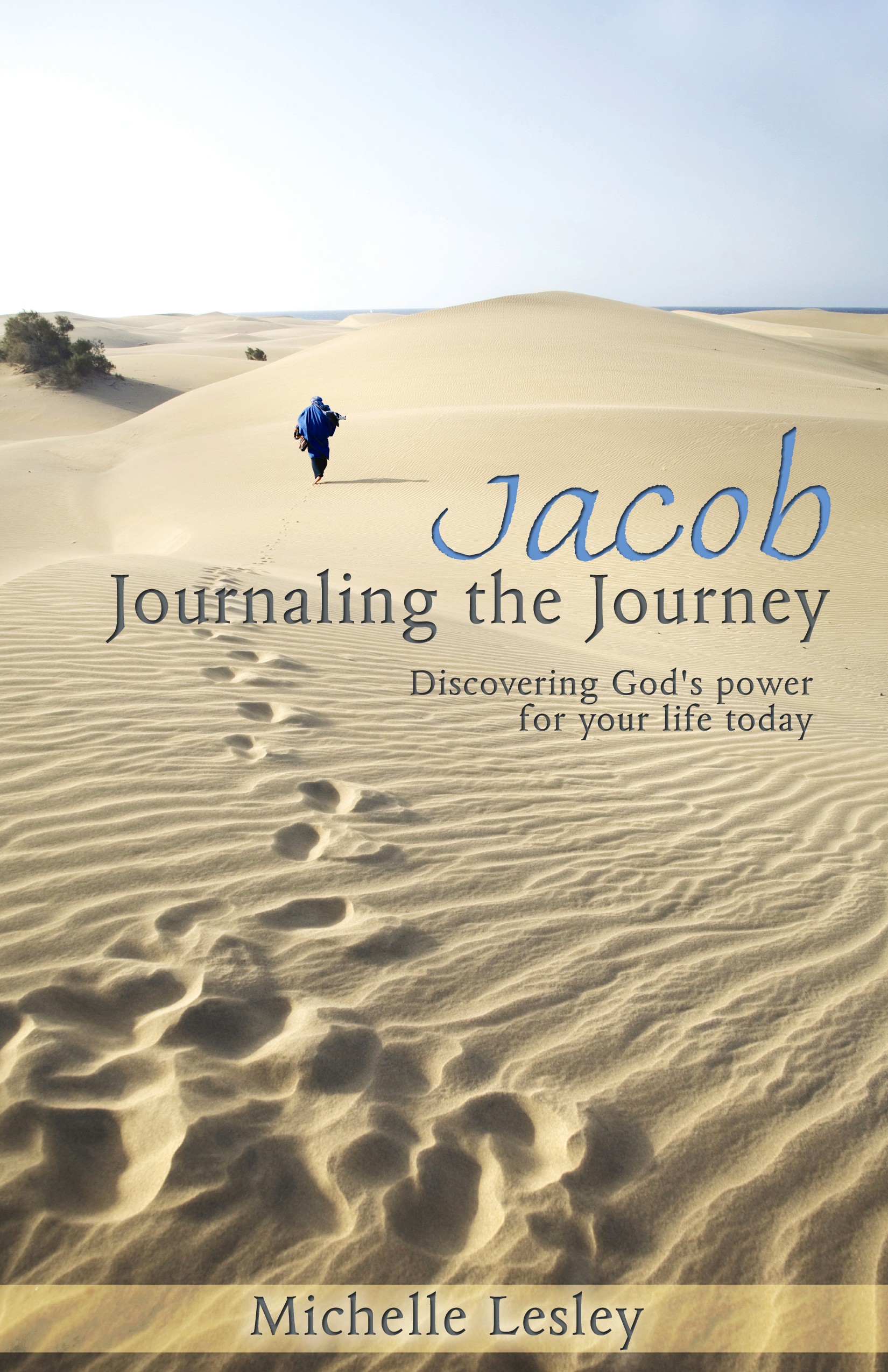
Missions Monday: Buy a Book ~ Be a Missionary

I’m just going to come right out and say it:

I want you to buy my book. I want you and your church and any other Christian organization you’re a member of to buy as many copies of my book as you possibly can.

Why?

Well, it’s certainly not because I want to become rich and famous and have a monopoly on Bible study sales at your local Christian bookstore. I really couldn’t care less about that.

And it’s not because I want to make a lot of money for my publishing house, or feed my ego, or prove myself to people, or score some sort of brownie points with God.

I want to be a missionary. And I want you to come with me.

How can buying my book turn you into a missionary?

Be a missionary to yourself:
If you’ve never turned from your sin and trusted in Christ’s death on the cross to pay the penalty for your sin, you’ll find out all about that in my book (and FYI– you do NOT have to buy the book for that. E-mail me at michellelesley1@yahoo.com, and we’ll chat, or click on the video “Good News!” on the side bar.) YOU are your first mission field.

If you have been born again, buy this book and use it to study God’s word so that He can build you up into an even mightier woman of God than you already are. Let Him turn you into a praying, studying, praising, worshiping, Gospel-sharing machine!

Be a missionary to those closest to you:
Give Jacob as a gift to someone who needs to know Jesus as Savior–a friend, your child’s teacher, your beautician… Give it to a Christian friend or loved one to help her grow in her faith. Give copies to your local battered women’s shelter. Start a lunchtime ladies’ Bible study at work. Invite the women of your neighborhood to study Jacob in a small group in your home.

Be a missionary to those far away:
All of my profits from the sale of this book–ALL of them- I am personally not making a penny from book sales– are going to the International Mission Board to reach an Unreached People Group in the Middle East with the Gospel of Jesus Christ. These are people who have never heard the name of Jesus or that He is the only way they can be forgiven of their sin and escape an eternity in hell. (Find out more by clicking the UPG tab at the top of this page.)

You can also buy copies to send with missions teams from your church to distribute to the people they’ll be ministering to, or ship them to an overseas church that your church supports.


And all you have to do is buy a book.