Judges Bible Study

Judges ~ Lesson 13

Previous Lessons: 1, 2, 3, 4, 5, 6, 7, 8, 9, 10, 11, 12

Read Judges 16

Questions to Consider

1. Go back to lesson 3 (link above) and review your answer to the first part of question 5, Israel’s pattern of sin and repentance in 2:16-23. How does today’s passage fit this pattern? How does today’s passage fit the theme verse of Judges (21:25), “In those days there was no king in Israel. Everyone did what was right in his own eyes.”?

2. Read verses 1-5. So far – that we know of (see lesson 12, link above) – Samson has gone against the wishes of his parents, married a pagan wife, broken his Nazirite vow, exhibited “hot anger” and personal vengeance, abandoned his wife, fornicated with a prostitute, fornicated with Delilah, and is about to lie multiple times (10, 13, 15). Why did God elevate someone so sinful to the position of judge over His people? Why did God use someone like that in His righteous purpose of delivering His people from the enemy, and to point ahead to Christ? Why would God commend someone like that by naming him in the “hall of faith” in Hebrews 11?

Why does God use you or me? Why does He continue to show us mercy when we continue to sin? Does the fact that God uses someone to accomplish His purposes mean He condones or overlooks that person’s sin? Can you think of any other instances in Scripture in which God used an unrepentant sinner or a pagan nation to accomplish His purposes? Examples of this from history? In your own life or the life of someone you know?

Compare the picture Judges paints of Samson and his sin to the picture Scripture paints of David and his sin. What similarities do you see? What differences?

What was God’s purpose (5) in Samson pulling up the gate and posts and carrying them to the top of the hill (3)?

3. Read 4-22. If Samson had not chosen to sin by shacking up with Delilah, would he have found himself in the position of feeling he had to lie to her, being betrayed by her, and having his life endangered by the Philistines? It has been said (and sung) that “Sin will take you farther than you want to go, sin will keep you longer than you want to stay, and sin will cost you more than you want to pay.” Explain this “snowball effect” of sin. How was this true in Samson’s life? Has this ever been true in your life? Have you repented?

How does this passage demonstrate this biblical truth: Trusting in the pleasures of this world and giving your heart away to this world (17-18) brings death, but trusting in the Lord and giving your heart away to the Lord brings life. Which Scriptures argue for this idea?

How could 2 Timothy 2:21-22 have been helpful instruction to Samson? How can this passage apply to your own life?

What does verse 20 mean when it says “the Lord had left him”? Why did the Lord leave him? Is this, as well as what the Philistines did to Samson (21, 24, 25), the logical, natural, and biblical consequence for his sin?

4. Read 23-31. Scripture clearly teaches that we are not to bring reproach upon the name of God in the eyes of pagans by sinning. Explain how Samson’s sin ruined his witness to the Philistines of the one true God and gave them opportunity to mock both Samson and God. Take a moment to imagine what Samson’s life and witness might have been like if he had spent his life pursuing holiness, loving God, and desiring to please Him.

Have you ever ruined your gospel witness to someone by sinning? Have you repented? What could you have done differently in that situation to glorify God with your words or actions in the eyes of the other person(s)?

What was Samson’s stated motive for wanting to kill the Philistines? (28) Was this a selfish or godly motive? What should his motive have been? Have we ever seen Samson pray or call out to God before verse 28 (see lesson 12, link above), or did Samson tend to act on his own volition in the flesh? How does 28-30 demonstrate that Samson’s humbling himself and acknowledging God led to his greatest victory: dying to self, and destroying the enemy?

5. Imagine you’re one of Samson’s brothers (31), and you’ve been given the task of giving his eulogy at the funeral. What would you say about Samson and his life? How could you use his life to point unbelieving funeral attendees to Christ?

6. Compare and contrast Gideon’s (lesson 6, link above) weakness and fear to Samson’s strength and arrogance. Which man’s condition led him to depend more greatly on the Lord? What were the results of Gideon’s dependence on the Lord versus Samson’s self-reliance? How do these two men help demonstrate the spiritual paradox of strength in weakness?

7. How did Samson’s miraculous physical strength point upward to God’s infinite and omnipotent strength?

8. Is the story of Samson a story about how great Samson was, how great a sinner Samson was, or how a great God showed great mercy to a great sinner? Think about this in terms of your own life story.


Homework

  • Certainly, all have sinned, sin is lawlessness, failing in even one point of the law makes us guilty of it all, and we have no righteousness of our own to boast in. Understanding all of that, is it right, biblical, and fair to view someone who loves Christ and lives her life to please Him, yet occasionally falls into sin, demonstrates godly grief over it, repents, and flees from it, as being in the same category, spiritually, as someone who lives to please himself and doesn’t really care whether or not he sins? Why or why not? Support your answer from Scripture.

    Which category do you think Samson was in? Which category are you in? If you think it might be the second category, I would urge you to examine yourself and consider whether or not you’ve truly been born again. Scripture is clear that those who unrepentantly persist in sin are not saved. You may wish to review the gospel and work through my study Am I Really Saved? A First John Check-Up.
  • In question 3 above, I said Samson “felt he had to” lie to Delilah. For Christians, would God ever put us in a position in which we have to lie? Back up your answer from Scripture, not circumstances. How could Samson have answered Delilah without lying? Have you ever been in a situation in which you “felt you had to” lie? How could you have answered instead? Were you in that situation due to the “snowball effect” of sin? Listen to this episode of the Truth Be Known podcast: Is Lying Always Sinful?

Suggested Memory Verse

Mailbag

The Mailbag: When is it OK to leave a church that’s begun embracing false doctrine?

Originally published September 12, 2016

The elders and pastor of my church have made it clear that they aren’t interested in my husband’s and my concerns about, among other problems, a new women’s study (by a false teacher) starting this month. He told me he would read the articles I sent him but that I was wrong. Is it OK to leave this church, and, if so, when? How long do we wait and not see change?

That’s a great question, and I’m afraid there’s no “one size fits all” answer. When a church begins slipping, biblically, and there’s a Christian in that church who’s wise and discerning enough to see it, God has put that Christian in that church to help biblically solve that problem, or at least to serve as a prophetic warning as to what God’s Word says about the issue and what will happen if the church does not correct its course.

Our very first priority in this situation is prayer. We must pray fervently for God to change the hearts of the pastors and other leaders, for wisdom to know how to best approach the problem scripturally, and for God to give us wisdom about how long to stay and when to leave. (For us married ladies, that decision ultimately falls to our husbands, so we need to be praying for them, too.)

When you’ve done what you can to help biblically solve the problem(s) and have consistently been rebuffed (and it sounds like that’s about where you and your husband are with this church), it may be time to leave. It is perfectly biblical to leave a church that is embracing false doctrine despite scriptural warnings (Titus 3:10-11, Romans 16:17-18, 2 John 9-11, 2 Corinthians 11:12-15, Mark 6:11, Matthew 7:6).

Sometimes, God will make it exceedingly clear as to when you should leave because the church will ask you to leave or, in some way, make it impossible for you to stay.

It sounds like you and your husband have tried to help this church. Just continue to pray for your church and its leadership, and for wisdom (especially for your husband) about staying or leaving. Then trust God to direct you (Proverbs 3:5-6).

If you do end up having to leave, make sure you immediately begin your search for a doctrinally sound church to attend. No church is perfect, but we need to obey God’s mandate to be faithful members of a local body of believers.

Additional Resources:

The Mailbag: How should I approach my church leaders about a false teacher theyโ€™re introducing?

The Mailbag: How to Leave a Church

Searching for a new church?


If you have a question about: a Bible passage, an aspect of theology, a current issue in Christianity, or how to biblically handle a family, life, or church situation, comment below (Iโ€™ll hold all questions in queue {unpublished} for a future edition of The Mailbag) or send me an e-mail or private message. If your question is chosen for publication, your anonymity will be protected.

Sermons

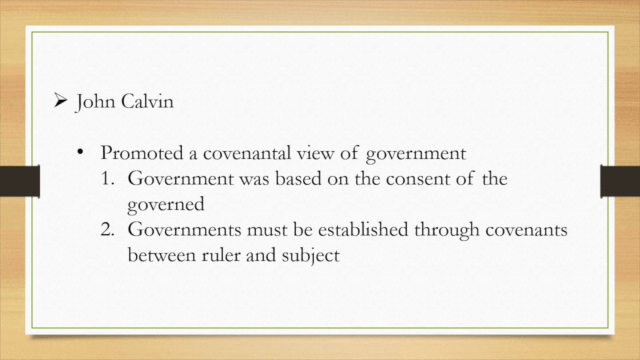
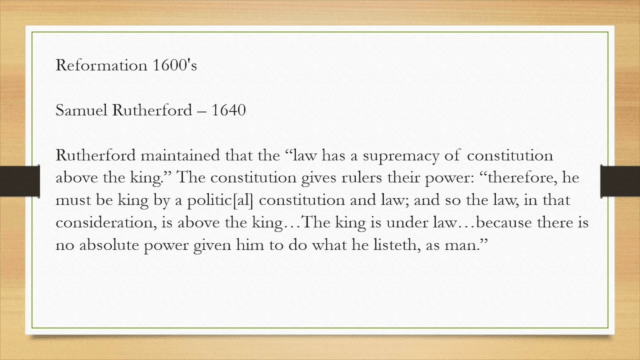
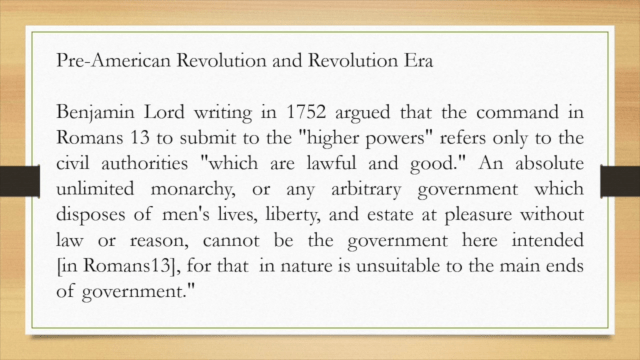
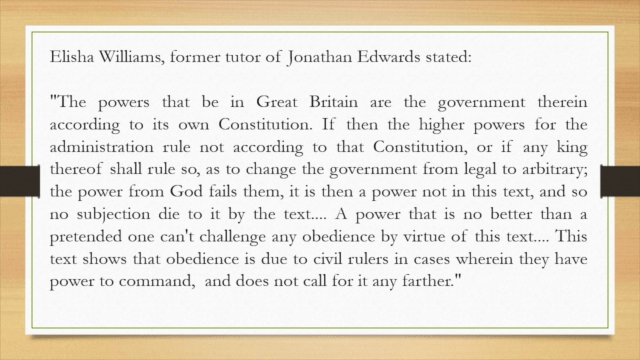
Romans 13:1-7

Title image courtesy of Woodlawn Baptist Church

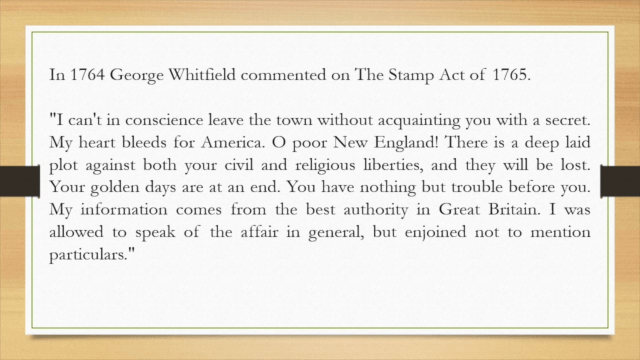
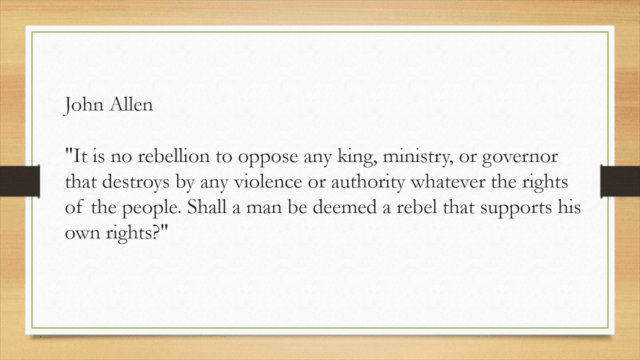
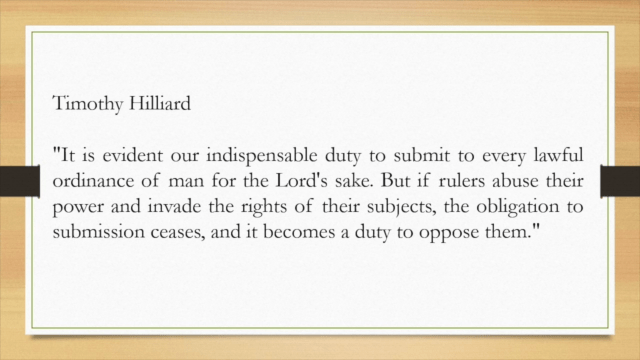
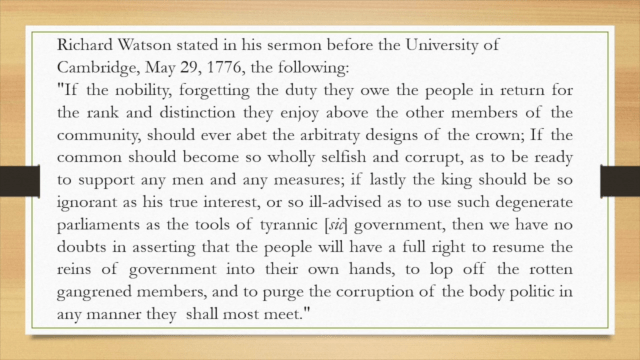
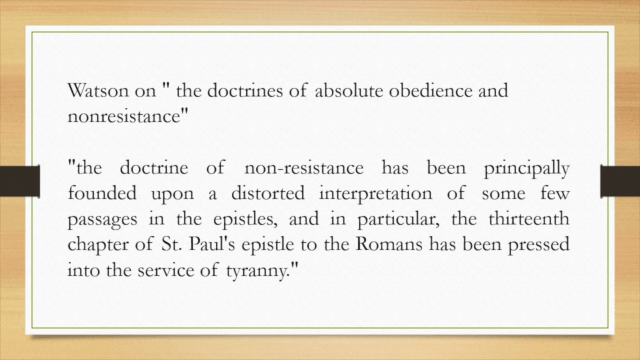
It used to be that John 3:16 was the most well-known Bible verse around. Then it was dethroned by Matthew 7:1. Nowadays, Romans 13:1-7 is giving them both a run for their money.

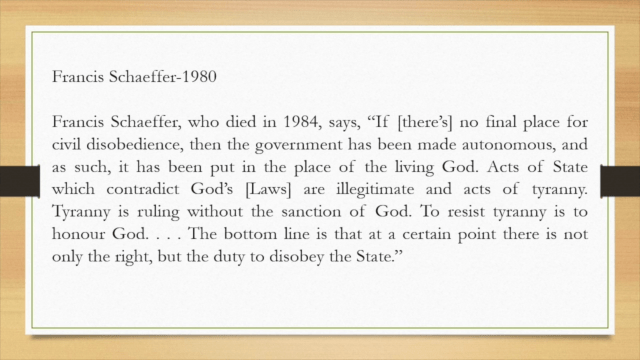
Christians are to obey the governing authorities, but what exactly does that mean? Just how far does the government’s authority extend? And when, if ever, is it biblically good and right to disobey the government?

I’d like to share with you today one of the best expositions and explanations of Romans 13:1-7 I’ve heard since this whole COVID thing began. It was preached by my own pastor, Lewis Richerson. He has been preaching through Romans for a while, and on October 3, we arrived at chapter 13. I found his sermon helpful and clarifying, and I hope you will too.

A few words about the sermon itself before you dive in: In my experience, this is a very atypical sermon format for Lewis, so, like it or hate it, you need to know it’s not the norm for him. This one is almost twice as long as his usual sermons, although, honestly, it flew by for me. Also, he includes a significant amount of historical information and a number of quotes in this sermon whereas he usually just preaches straight exposition of the text. It is probably more akin in style to what you’re used to hearing at a Christian conference rather than on a Sunday morning at church.

Toward the end(ish), Lewis references a number of slides that were projected on the screens. I’ve added those below the audio (in order, I hope!) so you can refer to them.

Church

Throwback Thursday ~ Church Leadership Qualifications: Biblical or Pragmatic?

Originally published February 21, 2017

leadership-1959544_1280

When it comes to leadership positions in the church we often get ourselves into unnecessarily sticky situations because we put practical considerations – who is available, who is most talented, who is willing, etc. – above biblical qualifications.
When we fill a position of leadership or responsibility at church we first go to Scripture to find out if the person we’re considering for the position is biblically qualified to hold it. Practical considerations come second. A few examples:

1.

An elder or deacon just died and the church needs someone to replace him. The first place you go is 1 Timothy 3 and Titus 1, and you start by weeding out the men who don’t fit those qualifications. It doesn’t matter how willing they are or how great of a job they would do or what kind of connections they have or how much money they could bring into the church, they have to meet the biblical qualifications first.

2.

Your church is located near a neighborhood full of Chinese immigrants, most of whom don’t speak English. Someone comes up with the commendable, Great Commission-honoring idea to start a Bible study to reach out to the men and women of this community. The only person in your church who speaks Chinese is a woman, so she’s the natural choice to teach the class, right?

Wrong. We start with the biblical qualifications for teachers, and one of them (1 Timothy 2:12) is that women are not to teach men. She could certainly teach (assuming she is able to teach – language alone doesn’t make someone a good teacher) a women’s class, or a male could teach the class in English and she could translate, or a man could take the time to learn Chinese before the church begins offering the class, or if there is a Chinese man in the class who is able to teach, he could teach the men and she could teach the women. But the woman doesn’t teach a co-ed class herself because Scripture forbids this.

3.

A young couple starts attending your church. After a few months, they step up and say they’d like to sing on the worship team. They’ve both got great voices and would radically improve the quality of the music on Sunday mornings. As you chat with them about joining the team, you find out they’re living together (unmarried). They’re both well aware that this is sin, but disagree with what the Bible says about adultery and fornication and have no intention of repenting, marrying, or moving out. Matthew 18:15-17 and 1 Corinthians 5:11-13 are quite clear that people who continue in rebellion after being called to repent are not even to be members of the church, let alone lead in worship.

Remember that the practical way is not always God’s way. Remember that God’s ways are higher than our ways (Isaiah 55:9). Remember that “There is a way that seems right to a man, but its end is the way to death.” (Proverbs 14:12). Remember when Saul did what was good in his own eyes instead of obeying God’s word (1 Samuel 15). Remember what happened to Nadab and Abihu when they conducted worship their own way instead of God’s way (Leviticus 10:1-6).

Obeying God’s word is not always easy, practical, or convenient, but it is always best, biblical, and blessed.

Judges Bible Study

Judges ~ Lesson 12

Previous Lessons: 1, 2, 3, 4, 5, 6, 7, 8, 9, 10, 11

Read Judges 14-15

Questions to Consider

1. Go back to lesson 3 (link above) and review your answer to the first part of question 5, Israel’s pattern of sin and repentance in 2:16-23. How does today’s passage fit this pattern? How does today’s passage fit the theme verse of Judges (21:25), “In those days there was no king in Israel. Everyone did what was right in his own eyes.”?

2. Read 14:1-4. Compare this passage to Deuteronomy 7:1-4 and 2 Corinthians 6:14-18. Why did God command Israel not to intermarry with these pagan nations, and why does God command Christians not to be unequally yoked with unbelievers? Were the Philistines among the nations God commanded Israel not to intermarry with? Is it fair to say Samson was obeying the letter of the law but not the spirit of the law? Why or why not?

Compare Samson’s statement at the end of verse 3 and verse 7 to the theme verse of Judges (21:25).

In verse 4, does “he” refer to Samson or the Lord? Examine the cross references for verse 4. Did God think Samson’s marriage to a Philistine was a good and godly union, or was He using Samson’s foolishness for His own purposes?

3. Read 14:5-20. What does it mean that “the Spirit of the Lord rushed upon” Samson? (14:6,19, 15:14) What does the fact that this happened several times in this brief passage (along with many other discrete instances of the Holy Spirit suddenly coming upon a person in the Old Testament), indicate about the indwelling of the Holy Spirit in the Old Testament compared to the Holy Spirit permanently indwelling all Believers in the New Testament?

Why was it important to Samson to keep secret from his parents where the honey (9) came from? (Hint: Think back to the requirements of the Nazirite vow from lesson 10 – link above.)

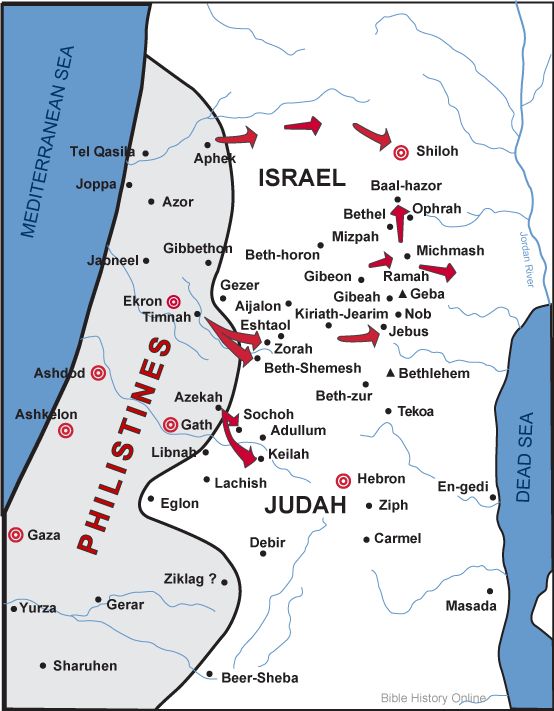
4. On the map below, locate Zorah and Eshtaol (Judges 13:2, 25), where Samson and his family were from, in relation to Timnah and Ashkelon where the action in today’s passage takes place (disregard the arrows). Describe how Samson’s actions in chapter 14 functioned as sort of a stealth, small-scale invasion of Philistia and sheds light on our earlier examination of 14:4. How does the “one man invasion” strategy we see God using here with Samson compare to the “small army” strategy He used with Gideon (see lesson 7 – link above). Consider the actions of the 3000 men in 15:13-15 as you answer.

5. Read 15:1-20. Describe the cowardice of the men of Israel in 13-15. Think about all of the places in Scripture where God tells His people to stand firm, fear not, cry out to Him for help, and trust Him. What should these 3000 men have done instead? Compare their fear of the enemy to Gideon’s fear of the enemy (lessons 6&7 – links above), and their response to the enemy to his response to the enemy.

Are there any ways in which 11-13 pre-figures Judas’ betrayal of Jesus, our perfect Judge, and the high priests handing Jesus over to the Roman officials?

How was Samson’s defeat of the enemy (14-16) different from Jesus’ defeat of the enemy at His first coming? How could “You have granted this great salvation by the hand of your servant,” (18) be said of Jesus centuries later?

6. Consider Samson’s motives for each of his attacks on the Philistines in today’s passage, his “hot anger” in 14:19, and his apparent posture of personal vengeance in 15:7. Now compare these to his statement in 15:18: “You have granted this great salvation by the hand of your servant,” and recall what the angel told Manoah and his wife (see lesson 11 – link above) about Samson’s mission and what they probably told Samson about all of that. Is it reasonable to infer that Samson viewed his attacks on the Philistines in today’s passage as consciously carrying out his mission of “he shall begin to save Israel from the hand of the Philistines,” (13:5) or was he just a hot head getting personal revenge?

If someone came to you and said that Samson’s aforementioned motives, anger, and apparent posture of personal vengeance conflict with James 1:20: “the anger of man does not accomplish the righteousness of God,” (because God’s righteous purpose of pushing back the Philistines was accomplished here) and Romans 12:19: “Beloved, never avenge yourselves, but leave it to the wrath of God, for it is written, ‘Vengeance is mine, I will repay, says the Lord,'” how would you answer that person? (Hint: Be sure you’re reading all of these verses and passages in context.)


Homework

  • Recall from lesson 10 (link above) Samson’s parents’ wisdom and godliness, and the wise and godly counsel they gave him in today’s passage. Consider their good counsel in light of these passages. Why is godly counsel important? How can you tell the difference between counsel that is wise and godly and counsel that is unwise, fleshly, or merely pragmatic? Who would you go to for wise, godly counsel if you needed it? What can you do to prepare yourself to give wise, godly counsel to someone who comes to you asking for it?

Suggested Memory Verse