Mailbag

The Mailbag: Potpourri (NBCS, Homeschool resources, Piper…)


Welcome to another “potpourri” edition of The Mailbag, where I give short(er) answers to several questions rather than a long answer to one question. I also like to take the opportunity in these potpourrri editions to let new readers know about my comments/e-mail/messages policy. I’m not able to respond individually to most e-mails and messages, so here are some helpful hints for getting your questions answered more quickly. Remember, the search bar can be a helpful tool!


I see many people on my Facebook news feed that are sharing innocuous or biblical sounding content (memes, Facebook posts, blog posts, etc.) from false teachers/ministries. I didn’t find an article on your web site and was wondering if you have already written one. I thinking it would be helpful to help share with others that it’s now necessary to understand the ramifications of sharing (boosting the author’s credibility, clicks, $, inadvertently sharing false doctrine or non-biblical philosophy, etc.)

I see the same thing in my Facebook feed, and it worries me for the people who, with the best of intentions, I’m sure, are following false teachers themselves and pointing others to false teachers by sharing those posts.

I have, indeed, written an article about this (it does pop up if you use the search bar, but you have to scroll down a ways to get to it since I wrote it a few years ago- sorry about that):

Four Reasons Why It Matters Who We Share, Pin, and Re-Tweet


What do you think of National Back to Church Sunday (NBCS)?

The concept is OK at the surface level, I guess. If all it is is a particular Sunday on the calendar when unchurched people are encouraged to go back to church, and churched people are encouraged to invite unchurched people to church, and churches are encouraged to find out why their supposedly churched members haven’t shown up for weeks, months, or years, I see no problem with the concept itself.

The problem comes when you move from the “on paper” concept to the actual churches that are participating and how those churches are attempting to get unchurched people in the door. If it’s a doctrinally sound church and the pastor says, “Hey- everybody invite an unchurched friend to come with you next week,” great. But we do not want unchurched people putting one toe over the threshold of an apostate or heretical church, and sadly, it appears as though at least some of the participating churches that have registered with the NBCS “Find a Church” page may fall into those categories. And if these “churches” are using unbiblical means and enticements to get lost people in the doors, that’s an additional problem.

The reader also included a link to encounter.com in her question. It’s clear encounter.com is in some way connected to NBCS, but I’m unclear as to how. The material on the “Invited to Belong” page is nauseatingly and blatantly seeker driven and man-centered. It’s all about how worthy you are rather than how worthy Christ is. There is no gospel presentation. Of the four people quoted, none are doctrinally sound Christians. One of the final sentences is a good summary of the whole page: “No church will be perfect, because no person is perfect, but we invite you to find a local church where you will belong.” Not a doctrinally sound church. Not a church that proclaims the biblical gospel. Not a church that preaches Christ and Him crucified. Not a church that teaches the Bible. It’s all about you, baby. If this encounter.com page is in some way NBCS’s mission statement or statement of faith, then I would certainly not recommend the NBCS organization.


I am looking for a solid but very simple Bible study for a loved one who struggles with understanding complicated concepts and words. Maybe even a kids study that is rich in theology. I was wondering if you had any ideas or advice on this?

It’s wonderful that your dear one loves the Lord and wants to study her Bible. Thank you so much for trying to help her!

Since you are a long time reader, you’ve probably heard me say that I don’t recommend “canned” studies, but that people should pick up the actual Bible and study it for themselves. In this case, may I suggest that might even be more important for someone like your loved one? I imagine that her poor reading skills may have made her more dependent on others in many areas of her life than she would like to be, and that studying the Bible for herself would not only be the best way to learn it, but would also give her a greater sense of confidence and independence. An “ownership” of her study of the Bible, if you will.

There are several good children’s and “easy reader” Bibles out there. I’ve suggested a few here: Children’s Bible Recommendations. You might wish to sit down with her and come up with a list of simple questions she can answer as she finishes reading a chapter, such as:

πŸ“– Who is this passage about?
πŸ“– What is the main idea of this passage?
πŸ“– Why did God – the author of the author of the Bible Who says all Scripture is useful – put this passage in the Bible? 

πŸ“– What can I learn about God from this passage?
πŸ“– Is this passage telling me to do/not to do something? How can I obey it?
πŸ“– Is there something in this passage I need to pray about?

Or, if you like, you could suggest that she read one of the books of the Bible I’ve written a study on (out of her own, new, easy to read Bible), take some of the questions I’ve written and send her a simplified version of the ones you think she can handle.

And, perhaps you could be “on call” via phone or e-mail to answer any questions she might have about what she’s studying. What a great opportunity to do one on one discipleship with someone who’s dear to your heart!


Do you know of any good Christian homeschooling blogs?

I homeschool, so I’m asked from time to time about homeschooling resources, but to be honest, it’s just not something I really read about. I recently asked my readers to recommend some good, doctrinally sound online homeschool blogs and resources, and here’s what they suggested (Please note, I have not vetted any of these. You will need to do the research yourself to discover whether or not they’re doctrinally sound.)

✏ Family Renewal
✏ Reformed Homeschoolin’ Mamas
✏ Durenda Wilson
(author of The Unhurried Homeschooler)
✏ Half-A-Hundred Acre Wood
✏ The Kingdom Driven Family
✏ Annie & Everything


I really enjoyed reading A Few Good Men and A Few MORE Good Men, but how come John Piper (or another pastor) isn’t included? Is he a false teacher? 

Please understand that these two lists of godly male teachers aren’t exhaustive. Praise God, there are scores of preachers and teachers out there who faithfully teach and rightly handle God’s Word. I couldn’t list all of them if I tried, though I plan to add more articles like this in the future. These were just the teachers I was most familiar with at the time I wrote the articles. The mere fact that your favorite teacher doesn’t appear on these lists does not make him a false teacher, and I hope the articles don’t imply that (I don’t think they do).

John Piper’s books, sermons, and blog are mostly fine, and while I disagree with him on several points of theology, I certainly do not consider him to be a false teacher. But he’s not somebody I’m going to proactively recommend, either. Here’s how I’ve answered readers in the past who have asked me about John Piper:

While I consider Dr. Piper to be a generally doctrinally sound Christian brother and agree with him in many aspects of theology, he is not someone I proactively recommend for a few reasons:

1. Dr. Piper is a continuationist. I usually limit my endorsements to cessationists  because I believe this is the biblical view of the gifts. (I do not consider otherwise doctrinally sound continuationists to be false teachers, however.)

2. I’m concerned about Dr. Piper’s associations and partnerships with false teachers (which violates 2 Corinthians 6:14-18, Romans 16:17-18, and 2 John 9-11). First he appeared to embrace Rick Warren when he interviewed him and invited him to speak at the Desiring God conference in 2010. More recently, he has been a featured speaker at events like the Passion conferences where he has shared the stage with Christine Caine, Priscilla Shirer, Beth Moore, and Judah Smith.

3. Dr. Piper’s complementarianism seems muddled at best. On the one hand he will go so far as to say that Christian women should not be drill sergeants (the Bible mentions nothing of the sort), yet on the other hand he joins in ministry with the aforementioned Caine, Shirer, and Moore who – in addition the the false doctrine they preach – all actively and unrepentantly violate clear Scripture by preaching to men. It’s quite confusing.

I’m not going to warn people away from John Piper as a false teacher, but I can’t, in good conscience, recommend him either.


If you have a question about: a Bible passage, an aspect of theology, a current issue in Christianity, or how to biblically handle a family, life, or church situation, comment below (I’ll hold all questions in queue {unpublished} for a future edition of The Mailbag) or send me an e-mail or private message. If your question is chosen for publication, your anonymity will be protected.

Mailbag

The Mailbag: What’s your take on White-Howse/Charlottesville/Trump?


What’s your take on the James White/Brannon Howse IFD controversy? The Charlottesville tragedy and other issues of racism? Anything and everything Donald Trump says and does?

There are a lot of divisive situations going on in the world these days. It’s no longer simply, β€œDid you hear the news?” but, β€œWhich side of the news are you on?” And it seems like, more and more, the evangelical public requires – demands even- that every Christian who has any sort of an audience must declare to the world whose side we’re on or what our position on the issue is. I mean, come on; if people are asking some nobody like me where I stand on various news stories, you know things have gotten out of hand. It’s not that I mind people asking my opinion, it’s just that I’m baffled as to why anyone would care what I think.

But for those of you who really want to know what I think on these issues, here ya go:

1. It doesn’t matter what I think, it matters what God’s Word says.

I’ve said this, like, at least a thousand times on this blog in relation to homosexuality, female preachers, church attendance, and any number of other biblical concepts, and it applies to current events as well. I could give you my opinion, but if it differs from what Scripture says, you’d better not listen to it. And if it’s in line with what Scripture says, well, the Bible says it far better than I ever could, so my opinion is superfluous.

2. It doesn’t matter what I think, it matters what YOUΒ think.

When it comes to what or how to think about a certain situation, the primary source that should shape your thoughts is God’s Word. Not me, not Christian celebrities, not your family and friends: the Bible. You need to be able to think biblically for yourself, not just blindly believe the thoughts and opinions of someone you look up to. When you stand before God one day, I don’t know what all He might ask you, but I feel pretty safe in guessing that He’s not going to ask you what Michelle Lesley thought about a dewdrop on a blade of grass. If you want to know what to think about something, get your Bible out and study what it has to say on the subject.

3. It doesn’t matter what I think because voicing my opinion isn’t going to help or change the situation.

Take the White-Howse controversy for example (and if you don’t know what that is, Google it – I don’t have the energy to get into that whole can of worms). I don’t know, have access to, or closely follow either James White or Brannon Howse, so not only do I not have a dog in this hunt, but no public declaration from me is going to patch things up between them, bring about repentance wherever it might be needed, or solve the problems involved. I do, however, have friends on both sides of the issue. So the only thing a public opinion from me would do would be to alienate people on one side or the other, and, personally, I don’t think this particular controversy is worth that.

4. It’s an unnecessary distraction from the focus of my ministry.

Maybe the focus of your ministry is on racial issues within Christianity. Or rightly applying Scripture to politics. Or the proper way to evangelize Muslims. If so, it would only make sense that you’d speak out about the issues enumerated in today’s Mailbag question. The focus of my ministry is women’s discipleship: teaching Christian women how to rightly handle and apply God’s Word to your life so you can grow in Christ and better serve Him, your family, your church, and others. I’m willing to get controversial when I have to and when it furthers that ministry focus (such as my discernment articles). But to get off into the weeds of, say, the border wall, health care, and taxes (and all the questions, comments, and controversies that go with those issues), would be a distraction from what I’m trying to accomplish here.

5. Not every hill is a hill to die on.

There are a lot of hills I’m willing to die on, and virtually all of them have a chapter and verse reference. I do not like to see Scripture mishandled and false doctrine preached because people’s eternities are at stake, the health of the church is at stake, and Christian women’s sanctification is at stake. I am willing to fight those fights to the death and take the flak the Enemy and his servants hurl at me. But if I fight every fight that comes along, I’m not going to have the time or the strength to fight the battles that God has uniquely gifted and equipped me to fight. Other Christians, have a much better grasp of, and experience with, for example, the racial issues plaguing our country today. I would prefer to remain silent and learn from them. Sometimes the best contribution I can make to a discourse is to keep my mouth shut and listen.

6. It’s just annoying noise.

It makes me crazy when something happens in the news and that’s all anybody can talk about – in person or on social media. (It’s not wrong for people to talk abut these things, mind you, it just gets on my nerves hearing the same remarks and conversations over and over again.) When a scrillion people have already given their opinion on a particular issue – especially when a lot of them are saying the same thing I’d say – what is the everlovin’ point of adding my voice to the cacophony? All that does is put one more annoying opinion in your social media feed when you’d rather be seeing pictures of your friend’s new baby, reading someone’s quote of a Bible verse, or drooling over the latest recipe video.

Sometimes I comment on current events. Sometimes I don’t. When I don’t it’s usually for one of these six reasons, or because I don’t have time, or I’m not interested in the subject, or I’m not knowledgeable enough about the subject to make an intelligent comment, or because I’m not in the mood.

Or maybe I just found a really good recipe video to drool over instead :0)


If you have a question about: a Bible passage, an aspect of theology, a current issue in Christianity, or how to biblically handle a family, life, or church situation, comment below (I’ll hold all questions in queue {unpublished} for a future edition ofΒ The Mailbag) or send me anΒ e-mail or private message. If your question is chosen for publication, your anonymity will be protected.
Social Media

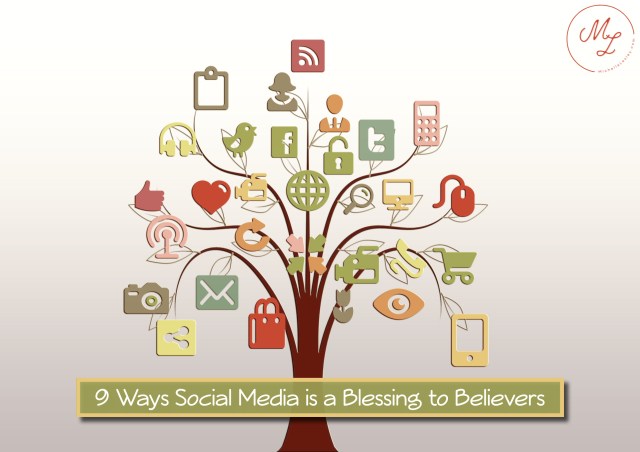
9 Ways Social Media Is a Blessing to Believers

Porn. Foul language. Arguments. Hacking. Cyber bullying. Affairs. Frittering away your time. Coveting others’ seemingly idyllic lives. Living and dying by how many “likes” your post got.

I get it. There are a lot of ways social media can go wrong.

But there’s nothing intrinsically wrong with Facebook or Twitter, Instagram or Google+ (Does anybody even use G+ anymore? Am I over there all by myself?), or social media platforms in general. They’re tools. Like a steak knife. You can cut up your supper with it so you can eat- good – or you can puncture somebody’s tire with it – bad. It’s all in how you use it.

There have been lots of articles which have, rightly, discussed the problems with social media and the need to take a break from it every now and then. (Ironically, I’ve seen these articles posted on Facebook and Twitter.) And if social media tempts you to sin or the problems it brings into your life outweigh the benefits, then, by all means, you should disconnect. For thousands of years, people have been living very fulfilling and godly lives without sharing pictures of every meal they eat and watching videos of their third cousin’s cat.

But if you use the tools available to you to customize your news feed, your list of followers, and other aspects of your account, there are many ways social media can be beneficial to believers.

1.Β Close contact with your church family during the week
How is Susannah, in your Sunday School class, doing with that problem at work? Is Mrs. Bunyan still in the hospital? The water main is busted and we won’t be able to have midweek services? Social media makes it easy to keep up with your brothers and sisters from church- to serve their needs, pray for them, rejoice with them, and encourage them outside of worship service. We’re meant to share our lives with one another, and social media is just one way we can do that. It’s also a great way for churches to send out announcements, reminders, and prayer requests as they come up to keep members informed.

2. You don’t have to miss church when you miss church
Once, when I’d had to miss church for a couple of weeks in a row due to having sick babies at home, I had my husband call me from the worship service right before the pastor started preaching and hold up the phone so I could hear the sermon. It was difficult to hear, we got disconnected a couple of times, and I had to keep things really quiet on my end. Now, lots of churches stream “Facebook Live” videos of their services. If you’re sick, out of town, or otherwise providentially hindered (video coverage is not an excuse to skip church for frivolous reasons)Β from being at church, you don’t have to miss worship. And, as a bonus, you can watch other churches’ services, too!

3. Supplementary preaching and teaching
Your pastor, elders, Sunday School, and Bible study teachers at your home church should always be your primary source of instruction in the Scriptures. Some churches make good use of social media by setting up a private group for church members to discuss Sunday’s sermon or what they’re learning in Bible study, and there are many excellent independent theology and Christian issues discussion groups on social media as well.Β Here, here, here, andΒ here are a few I’m familiar with.

If you want to listen to additional good teaching during the week, social media is a great place to find it. Ask your doctrinally sound Facebook friends whose sermons they’d recommend. Follow good pastors, teachers, and podcasters on Twitter. You’ll soon have more good teaching queued up than you have time to listen to. AndΒ there are scads of excellent godly authors and bloggers to follow and learn from, too.

4. Evangelism
Social media is a great place for sharing the gospel! Write out a post of your own, share an evangelistic video (like this one or this one), or retweet an online tract. There may come a time when Christians or the Bible are banned from social media, but until that day comes, let’s get busy sharing the gospel online.

5. Fellowship
Online friendships are no substitute for face to face fellowship with your church family. But sometimes you’re in a church situation in which there are few sisters who understand a unique life circumstance you’re going through, who share an interest in the branch of theology you’re currently studying, and so on. On social media, you can “meet” like-minded brothers and sisters from all over the world and form sweet friendships with them- sometimes you can even experience the joy of meeting them in person!


Jayson, Lindsay, and DebbieLynn,
social media friends I’ve been blessed to meet in person.

6. Prayer and Encouragement
Need prayer or encouragement? In addition to asking your church family to pray for you or getting together with a Christian friend for lunch, your godly social media friends are always around to lift you up and intercede for you. And you can be a blessing to others by praying for them or offering a word of encouragement.

7. Thinktanking
“Does anybody know whether ______ is a doctrinally sound teacher?” “I’m researching Bible Topic X- what are some good resources?” “What’s that verse that says ____? I can’t remember the reference.” I can’t tell you how many times I’ve asked questions like this on social media and my friends have come through for me. There are a lot of godly people out there who have read a lot of books, listened to a lot of teachers, know a lot of Scripture, and been through a lot of experiences. Harness their knowledge and share your own.

8. Looking for a new church?
One of the things about social media that has brought me the most joy is helping people who are moving or who have to leave an apostate church to find a new, doctrinally sound church to join. Not only are there some great church search engines out there, but because of social media friendships and connections across the world, I’m able to get personal recommendations for good, solid churches.Β Not only can social media help you find a good church if you’re looking for one, you can help others by suggesting good churches you’re familiar with when they’re looking.

9. Current events in Christendom
What is the president of your denomination up to? Who’s the latest celebrity Christian to publicly support the homosexual lifestyle? Are there any good conferences coming up that would be helpful to your church members? Which sister churches in your state need some assistance?

Even more vital than being an informed citizen by following the local and international news, Christians need to be aware of what’s going on in the church- locally, nationally, and globally.Β Follow the pages of your denominational leadership, local churches, Christian news services, and so on, to keep abreast of current events. Outside of social media, you’ll probably never find out about the latest happenings until they happen in your own church and take you by surprise.


There’s no doubt that social media has the potential to cause a lot of problems, even the temptation to sin. But if you’re able to put it in its correct place so that it doesn’t steal time from God, your family, your church, or other vital relationships and ministries- using it, instead, as just one more tool to encourage yourself, and others, towards greater Christlikeness – social media can be a fantastic blessing.

Click above, and let’s be friends!

Pop Theology, Social Media, Throwback Thursday

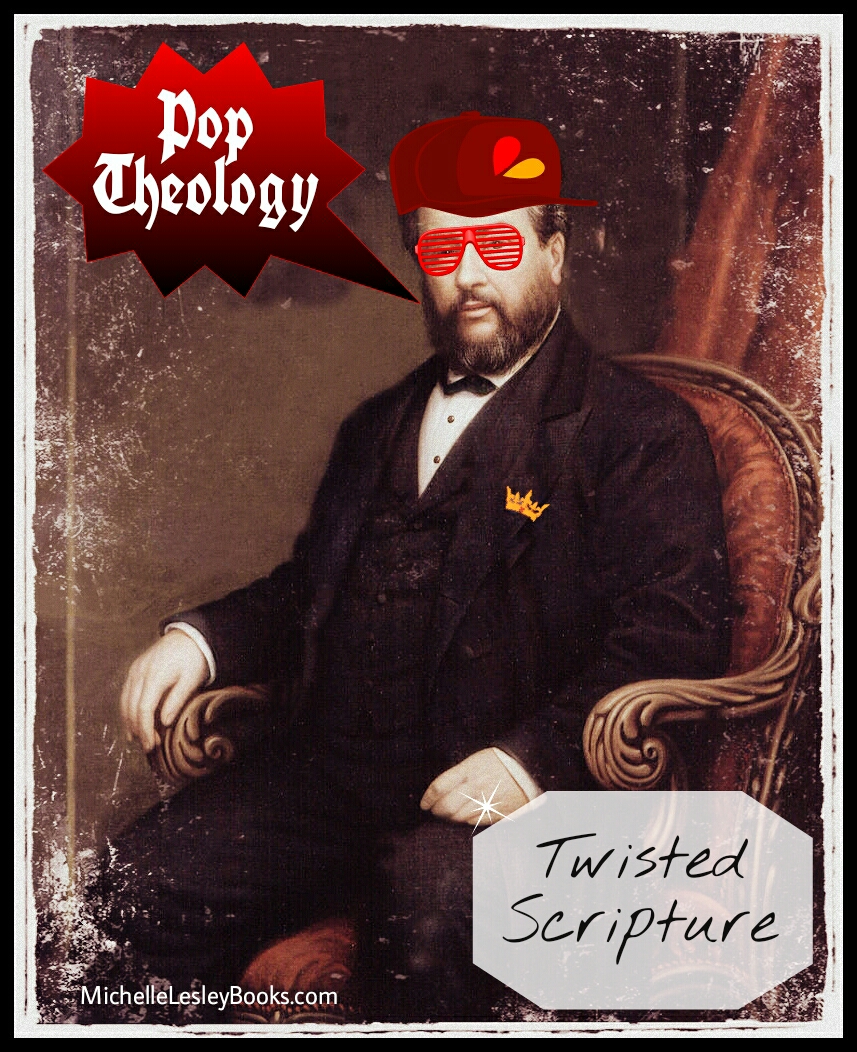
Throwback Thursday ~ Pop Theology: Twisted Scripture

Originally published May 22, 2015pop theology twisted scripture


Dear Pop-

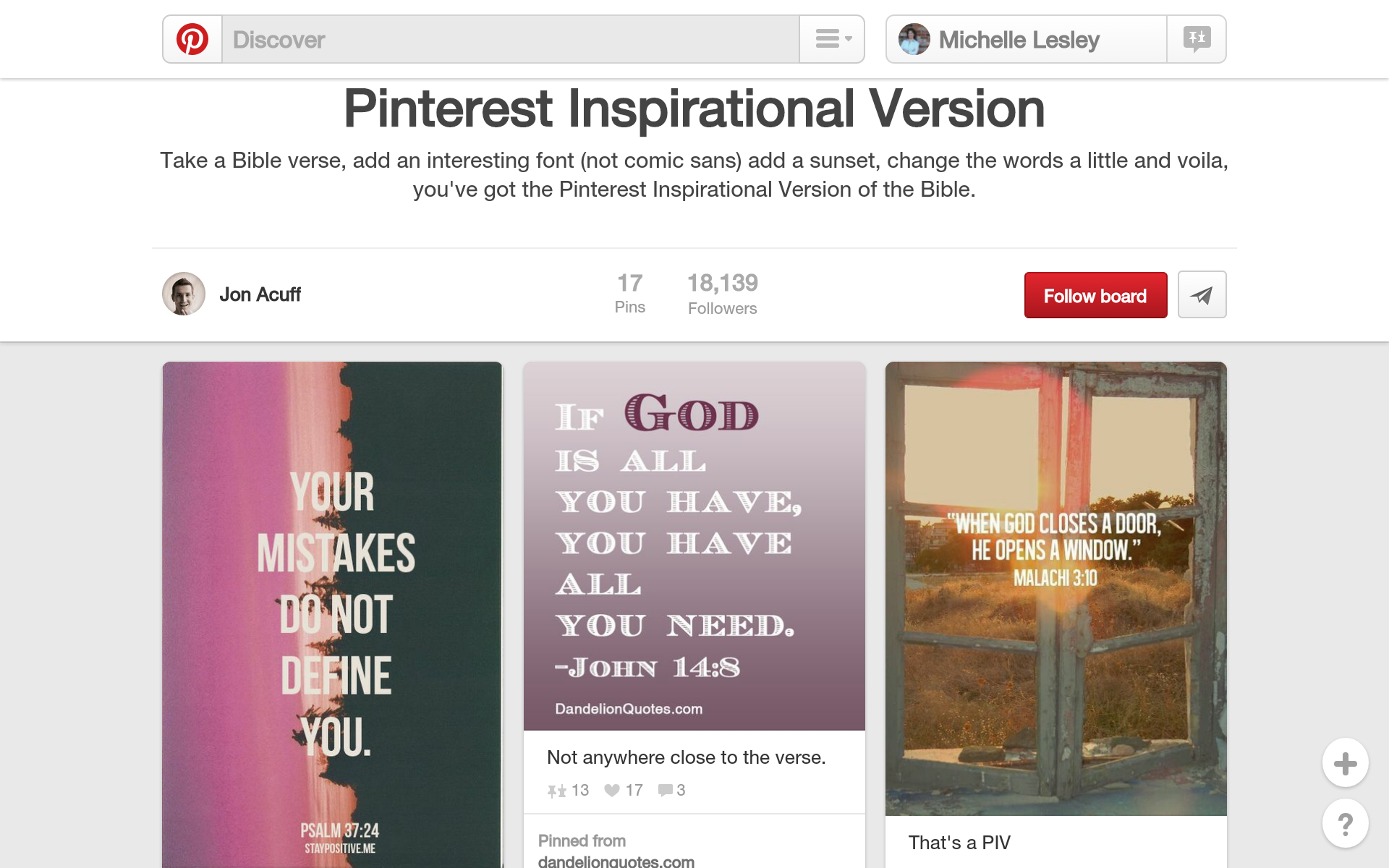
I saw this meme that I thought was a Bible verse. It had a nice thought and a Scripture reference after it, but when I turned there in my Bible, the nice thought didn’t say anything close to what the verse actually said. It turns out that someone wrote what the verse meantΒ to her and then put the Scripture reference after it. And there’s a whole Pinterest board dedicated to memes like this! Is it OK to handle God’s word like that? I’ve also included some other memes I found that sound fishy to me. Your thoughts?

Penny Pinterest


Screenshot_2015-04-23-08-20-50

Dear Penny,

Jon Acuff’s a fun dude, but this is dissin’ God’s word. Ain’t nobody – NO-O-O-O-O-BODY got the props to bling up the Bible. No addin’ to it. No subtractin’ from it. Bad things’ll go down, ya dig?Β Β Jots? Tittles?Β Keep your mitts off, and swing that sword right. And what up with all this “Inspirational Version”? God’s word is da bomb diggity all by its onliness, got me?


10857871_884902334876078_6947353962358613734_n

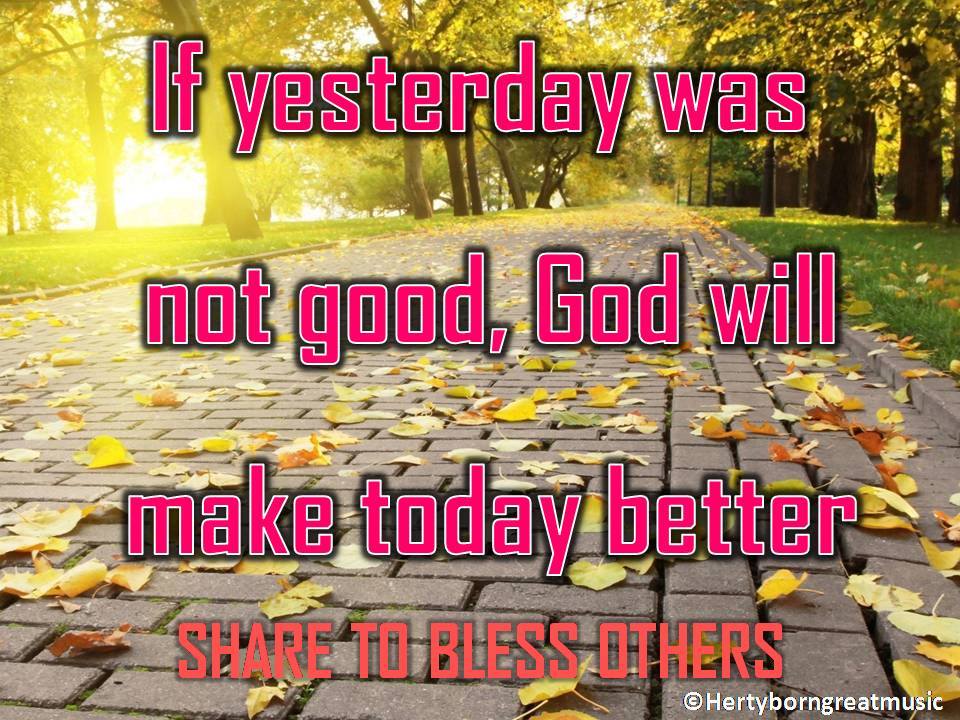
Heck to the no. Check it.


10401339_2331680386869577_7526666480006145492_n

Fo’ relz? Where’s that in the Big Book? Lemme let you in on a little inside info: nowheresville. Jesus said as long as we’re hangin’ on the big blue, there’s gonna be trouble. Lots of it. But check it out- who cares? We don’t throw down our faith on havin’ a good day. We throw down our faith on Jesus, even when it’s a bad scene.


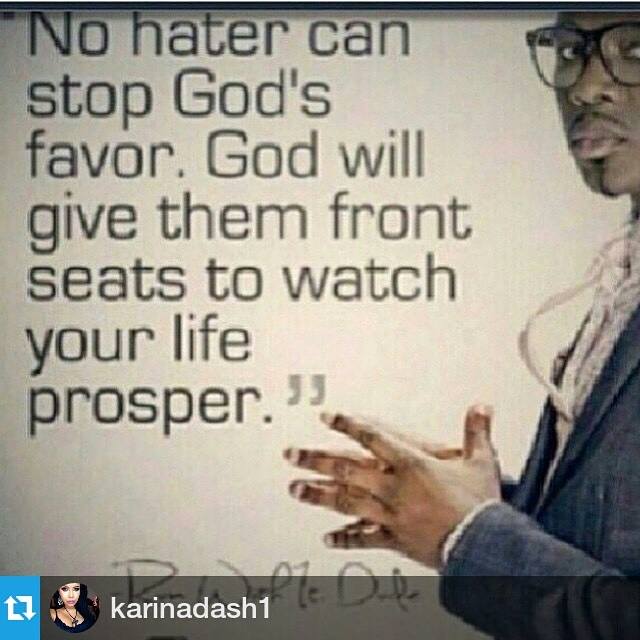
11051558_10153641788073625_1262363071_n

Yeah? Tell that to Jesus. His haters had front row seats to torture Him and watch Him die. Or the eleven out of Jesus’ twelve closest homeboys who were executed by their haters. Put your peeps on a copy of Foxe’s Book of MartyrsΒ and quit littering up social media with this mess. Kick that prosperity gospel junk to the curb.


Well, Penny. I’ve laid down the gospel 411 for ya. Keep your specs on Jesus and keep the faith.

For the Homies,
Pop

Mailbag

The Mailbag: Contending for the Faith on Social Media

mailbag


I was wondering what your opinion is about using Facebook to correct false doctrine. Mostly what I do is post Scriptures, but every once in a while I may comment on something that is blatantly contrary to the Bible and I try to point to the appropriate Scriptures to show the truth. This mostly happens when a popular preacher or teacher that does not hold to sound doctrine posts something, or when a friend posts something that is clearly unbiblical.

This is such a great question that so many of us (including me!) struggle with. We love our friends and don’t want to see them believing something unbiblical (and spreading it around on social media) and it’s hard to just scroll past the blasphemy false teachers so often post without taking a stand for God’s word.

I readily admit I don’t have a perfect answer for this question. On the one hand, you want to protect your friends from error. On the other hand, there aren’t enough hours in the day to correct every single false teaching out there. And, if you try, people stop listening and you become ignorable background noise. Here are some of the principles I personally try to operate from on my personal (personal friends and family) social media pages. (I try to be consistent, but it doesn’t always work out that way):

  • Do keep in mind that – if it’s a matter of someone simply following a false teacher/ministry, not re-posting – people don’t always follow these accounts because they agree with them. Sometimes it’s to keep an eye on what the false teacher is teaching, to find out more about her doctrine because her materials are being introduced at church, etc. I follow two or three accounts on Twitter for reasons like that.
  • By and large, I don’t follow false teachers/ministries on social media. It just raises my blood pressure too much. So, for the most part, I don’t comment directly on false teachers’ posts because I don’t see them in my feed. If you do decide to comment, be sure you provide ample, in context Scripture passages to support what you’re saying, and comment in a patient, kind tone, not with histrionics, keeping in mind that most of the people who follow that false teacher are baby Christians, Christians who simply aren’t aware they’re being fed false doctrine, or false converts. Be aware that you’re almost certainly not going to change anyone’s mind, that people will verbally eviscerate you, and that the admin of the page will probably block and/or report you.
  • My main way of sharing biblical truth and discernment is to post about it on my own timeline. That way, the information is out there, yet direct confrontation is avoided.
  • When it comes to posting things on your own news feed, make sure you’re posting about good resources and teachers as well as warning about the bad. It’s not enough to get people away from bad teaching. They need somewhere to go for good teaching.
  • I have something of a “Golden Rule” policy about commenting on other people’s posts. I’ve had people comment on my discernment-type posts rebuking me and arguing with me for posting such things, as though they have some sort of right to dictate what I can and can’t post on my own page. That’s not right. People have the right to post what they want to post on their own page, and, while I’m not always perfect at it, I try to remember to respect that fact with others as I would want them to respect it with me. If what the person has posted concerns me for her soul, I will send her a private message. I operate on the assumption that people who claim to be Christians would want to know they’re posting something that’s in conflict with God’s word.
  • If someone’s post or comment makes me biblically angry, I try to remember to wait 24 hours before responding. I’ve found that helps me to calm down and respond more patiently and kindly. I’ve also found that sometimes my anger clouds my understanding of what the person actually meant. I have greater clarity the next day and can respond (or even refrain from responding) more appropriately.
  • There are two passages of Scripture I try to keep in mind when responding to people on social media about false teaching. The first is 2 Timothy 2:24-26. It reminds me of where that person might be coming from and how I am to comport myself:

And the Lord’s servant must not be quarrelsome but kind to everyone, able to teach, patiently enduring evil, correcting his opponents with gentleness. God may perhaps grant them repentance leading to a knowledge of the truth, and they may come to their senses and escape from the snare of the devil, after being captured by him to do his will.

The second is Matthew 7:6:

Do not give dogs what is holy, and do not throw your pearls before pigs, lest they trample them underfoot and turn to attack you.

The Bible is the final word of the holy God of the universe. What He says, goes, whether people believe it or not. It is stake in the ground, unalterable truth that needs no defense from us to pigs and dogs (not that everyone who posts false doctrine is a pig or dog- sometimes they’re just unaware). Sometimes the best response you can give on social media is to patiently lay down simple biblical truth in one comment and walk away, refusing to engage in debate, and trusting God to work on people’s hearts through His word.

  • Above all, pray. Pray for the false teacher/ministry you’re concerned about. Pray for the friend or loved one who’s re-posting false doctrine, that God will open her eyes to the truth. Pray about whether you should approach someone on social media, in which venue (comment, private message, etc.), and for wisdom to use the right words, tone, and Scriptures.

If you have a question about:Β a well known Christian author/leader, a Bible passage, an aspect of theology, a current issue in Christianity, or how to biblically handle a family, life, or church situation, comment below (I’ll hold all questions in queue {unpublished} for a future edition of The Mailbag) or send me an e-mail or private message. If your question is chosen for publication, your anonymity will be protected.