Welcome to another “potpourri” edition of The Mailbag, where I give short(er) answers to several questions rather than a long answer to one question. I also like to take the opportunity in these potpourrri editions to let new readers know about my comments/e-mail/messages policy. I’m not able to respond individually to most e-mails and messages, so here are some helpful hints for getting your questions answered more quickly. Remember, the search bar can be a helpful tool!

I see many people on my Facebook news feed that are sharing innocuous or biblical sounding content (memes, Facebook posts, blog posts, etc.) from false teachers/ministries. I didn’t find an article on your web site and was wondering if you have already written one. I thinking it would be helpful to help share with others that it’s now necessary to understand the ramifications of sharing (boosting the author’s credibility, clicks, $, inadvertently sharing false doctrine or non-biblical philosophy, etc.)
I see the same thing in my Facebook feed, and it worries me for the people who, with the best of intentions, I’m sure, are following false teachers themselves and pointing others to false teachers by sharing those posts.
I have, indeed, written an article about this (it does pop up if you use the search bar, but you have to scroll down a ways to get to it since I wrote it a few years ago- sorry about that):
Four Reasons Why It Matters Who We Share, Pin, and Re-Tweet
What do you think of National Back to Church Sunday (NBCS)?
The concept is OK at the surface level, I guess. If all it is is a particular Sunday on the calendar when unchurched people are encouraged to go back to church, and churched people are encouraged to invite unchurched people to church, and churches are encouraged to find out why their supposedly churched members haven’t shown up for weeks, months, or years, I see no problem with the concept itself.
The problem comes when you move from the “on paper” concept to the actual churches that are participating and how those churches are attempting to get unchurched people in the door. If it’s a doctrinally sound church and the pastor says, “Hey- everybody invite an unchurched friend to come with you next week,” great. But we do not want unchurched people putting one toe over the threshold of an apostate or heretical church, and sadly, it appears as though at least some of the participating churches that have registered with the NBCS “Find a Church” page may fall into those categories. And if these “churches” are using unbiblical means and enticements to get lost people in the doors, that’s an additional problem.
The reader also included a link to encounter.com in her question. It’s clear encounter.com is in some way connected to NBCS, but I’m unclear as to how. The material on the “Invited to Belong” page is nauseatingly and blatantly seeker driven and man-centered. It’s all about how worthy you are rather than how worthy Christ is. There is no gospel presentation. Of the four people quoted, none are doctrinally sound Christians. One of the final sentences is a good summary of the whole page: “No church will be perfect, because no person is perfect, but we invite you to find a local church where you will belong.” Not a doctrinally sound church. Not a church that proclaims the biblical gospel. Not a church that preaches Christ and Him crucified. Not a church that teaches the Bible. It’s all about you, baby. If this encounter.com page is in some way NBCS’s mission statement or statement of faith, then I would certainly not recommend the NBCS organization.
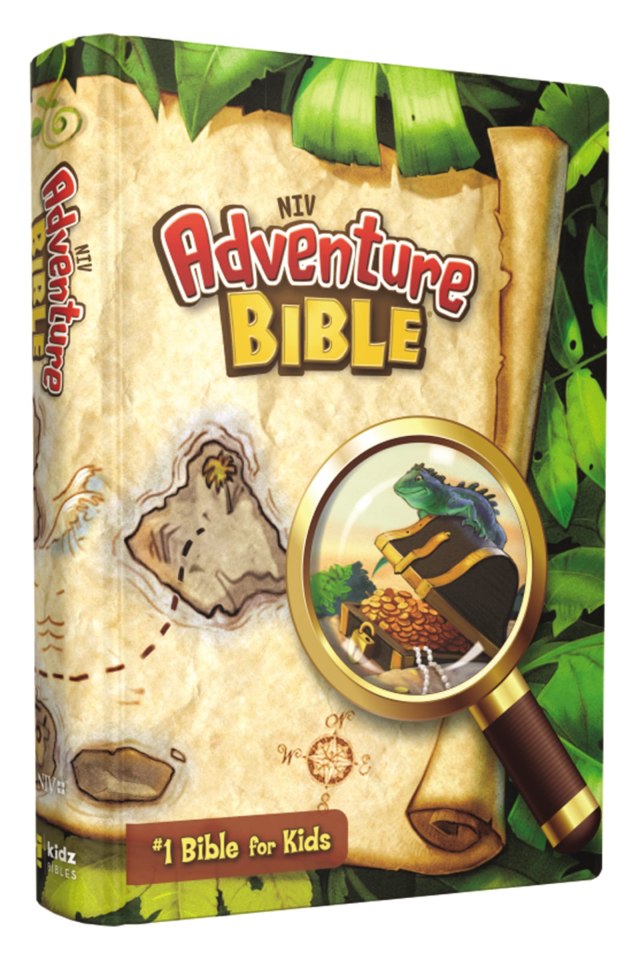
I am looking for a solid but very simple Bible study for a loved one who struggles with understanding complicated concepts and words. Maybe even a kids study that is rich in theology. I was wondering if you had any ideas or advice on this?
It’s wonderful that your dear one loves the Lord and wants to study her Bible. Thank you so much for trying to help her!
Since you are a long time reader, you’ve probably heard me say that I don’t recommend “canned” studies, but that people should pick up the actual Bible and study it for themselves. In this case, may I suggest that might even be more important for someone like your loved one? I imagine that her poor reading skills may have made her more dependent on others in many areas of her life than she would like to be, and that studying the Bible for herself would not only be the best way to learn it, but would also give her a greater sense of confidence and independence. An “ownership” of her study of the Bible, if you will.
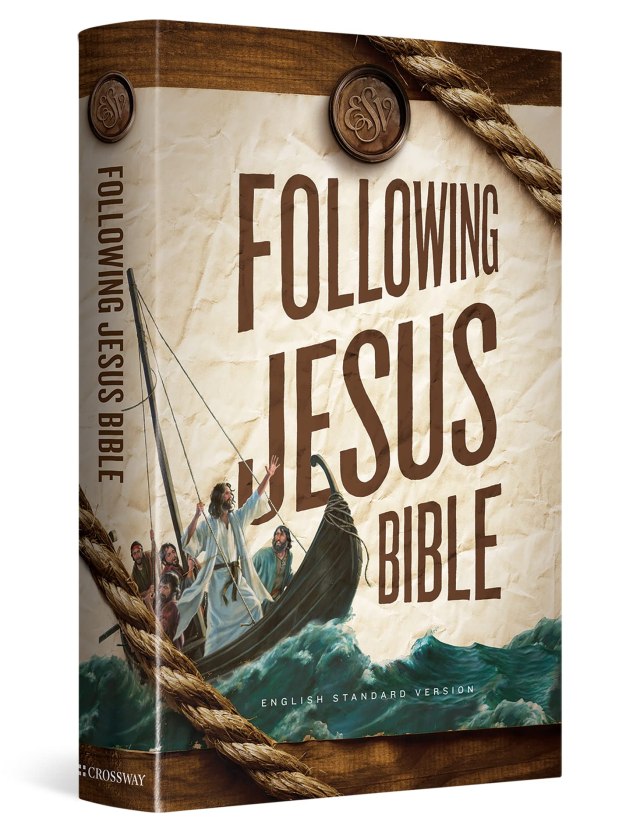
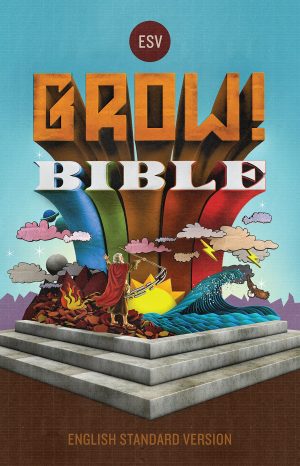
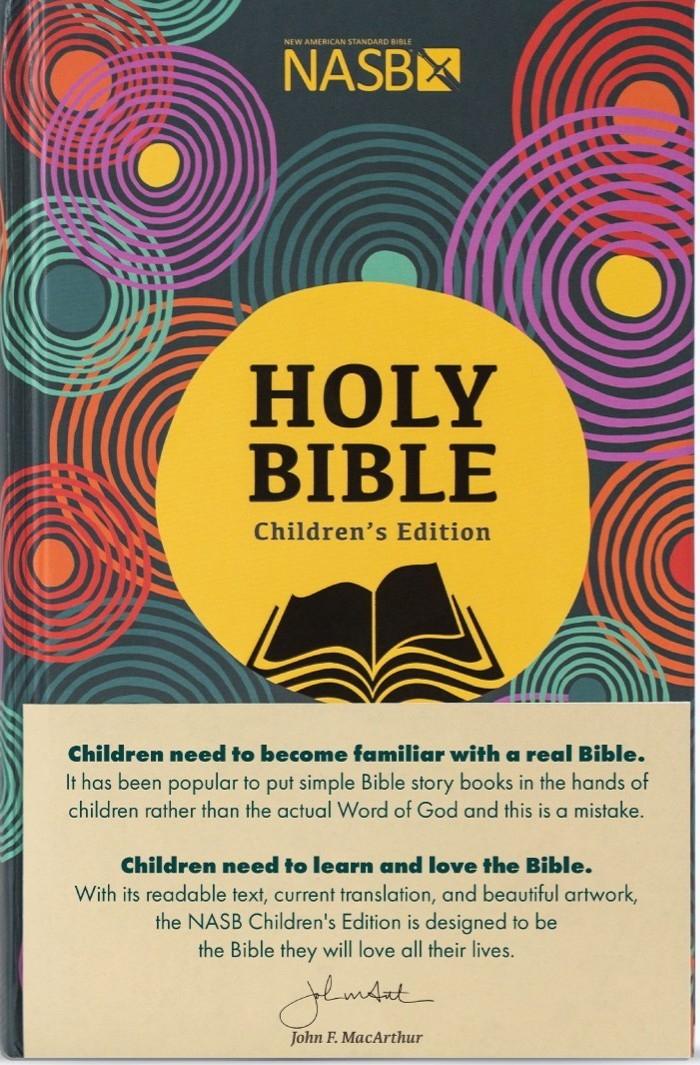
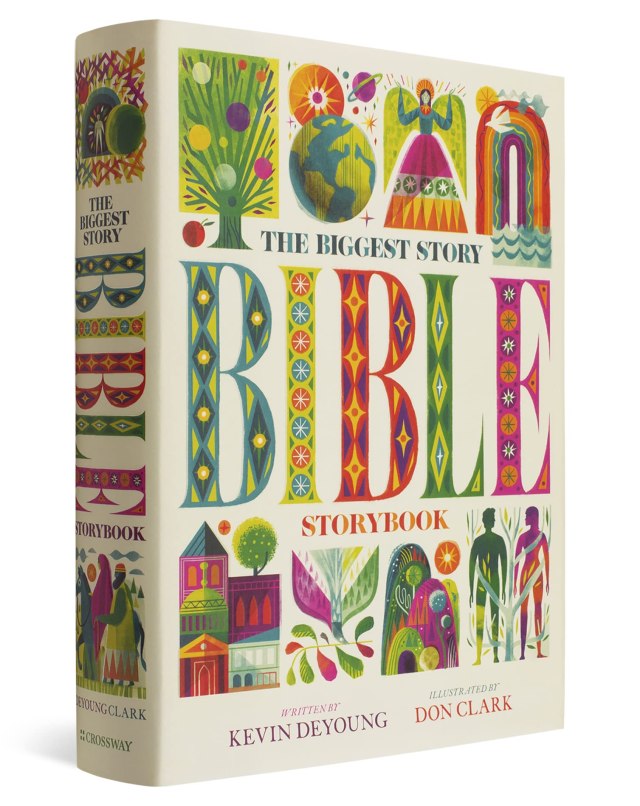
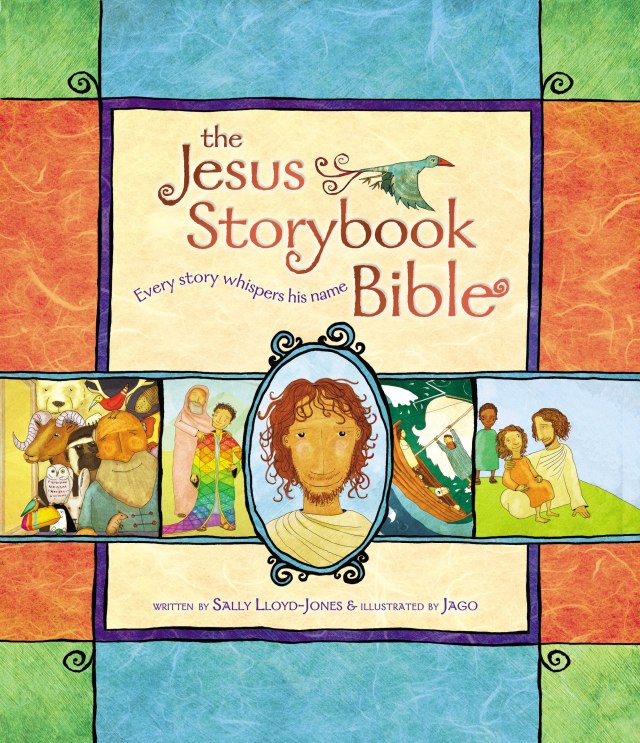
There are several good children’s and “easy reader” Bibles out there. I’ve suggested a few here: Children’s Bible Recommendations. You might wish to sit down with her and come up with a list of simple questions she can answer as she finishes reading a chapter, such as:
📖 Who is this passage about?
📖 What is the main idea of this passage?
📖 Why did God – the author of the author of the Bible Who says all Scripture is useful – put this passage in the Bible?
📖 What can I learn about God from this passage?
📖 Is this passage telling me to do/not to do something? How can I obey it?
📖 Is there something in this passage I need to pray about?
Or, if you like, you could suggest that she read one of the books of the Bible I’ve written a study on (out of her own, new, easy to read Bible), take some of the questions I’ve written and send her a simplified version of the ones you think she can handle.
And, perhaps you could be “on call” via phone or e-mail to answer any questions she might have about what she’s studying. What a great opportunity to do one on one discipleship with someone who’s dear to your heart!
Do you know of any good Christian homeschooling blogs?
I homeschool, so I’m asked from time to time about homeschooling resources, but to be honest, it’s just not something I really read about. I recently asked my readers to recommend some good, doctrinally sound online homeschool blogs and resources, and here’s what they suggested (Please note, I have not vetted any of these. You will need to do the research yourself to discover whether or not they’re doctrinally sound.)
✏ Family Renewal
✏ Reformed Homeschoolin’ Mamas
✏ Durenda Wilson (author of The Unhurried Homeschooler)
✏ Half-A-Hundred Acre Wood
✏ The Kingdom Driven Family
✏ Annie & Everything
I really enjoyed reading A Few Good Men and A Few MORE Good Men, but how come John Piper (or another pastor) isn’t included? Is he a false teacher?
Please understand that these two lists of godly male teachers aren’t exhaustive. Praise God, there are scores of preachers and teachers out there who faithfully teach and rightly handle God’s Word. I couldn’t list all of them if I tried, though I plan to add more articles like this in the future. These were just the teachers I was most familiar with at the time I wrote the articles. The mere fact that your favorite teacher doesn’t appear on these lists does not make him a false teacher, and I hope the articles don’t imply that (I don’t think they do).
John Piper’s books, sermons, and blog are mostly fine, and while I disagree with him on several points of theology, I certainly do not consider him to be a false teacher. But he’s not somebody I’m going to proactively recommend, either. Here’s how I’ve answered readers in the past who have asked me about John Piper:
While I consider Dr. Piper to be a generally doctrinally sound Christian brother and agree with him in many aspects of theology, he is not someone I proactively recommend for a few reasons:
1. Dr. Piper is a continuationist. I usually limit my endorsements to cessationists because I believe this is the biblical view of the gifts. (I do not consider otherwise doctrinally sound continuationists to be false teachers, however.)
2. I’m concerned about Dr. Piper’s associations and partnerships with false teachers (which violates 2 Corinthians 6:14-18, Romans 16:17-18, and 2 John 9-11). First he appeared to embrace Rick Warren when he interviewed him and invited him to speak at the Desiring God conference in 2010. More recently, he has been a featured speaker at events like the Passion conferences where he has shared the stage with Christine Caine, Priscilla Shirer, Beth Moore, and Judah Smith.
3. Dr. Piper’s complementarianism seems muddled at best. On the one hand he will go so far as to say that Christian women should not be drill sergeants (the Bible mentions nothing of the sort), yet on the other hand he joins in ministry with the aforementioned Caine, Shirer, and Moore who – in addition the the false doctrine they preach – all actively and unrepentantly violate clear Scripture by preaching to men. It’s quite confusing.
I’m not going to warn people away from John Piper as a false teacher, but I can’t, in good conscience, recommend him either.
If you have a question about: a Bible passage, an aspect of theology, a current issue in Christianity, or how to biblically handle a family, life, or church situation, comment below (I’ll hold all questions in queue {unpublished} for a future edition of The Mailbag) or send me an e-mail or private message. If your question is chosen for publication, your anonymity will be protected.